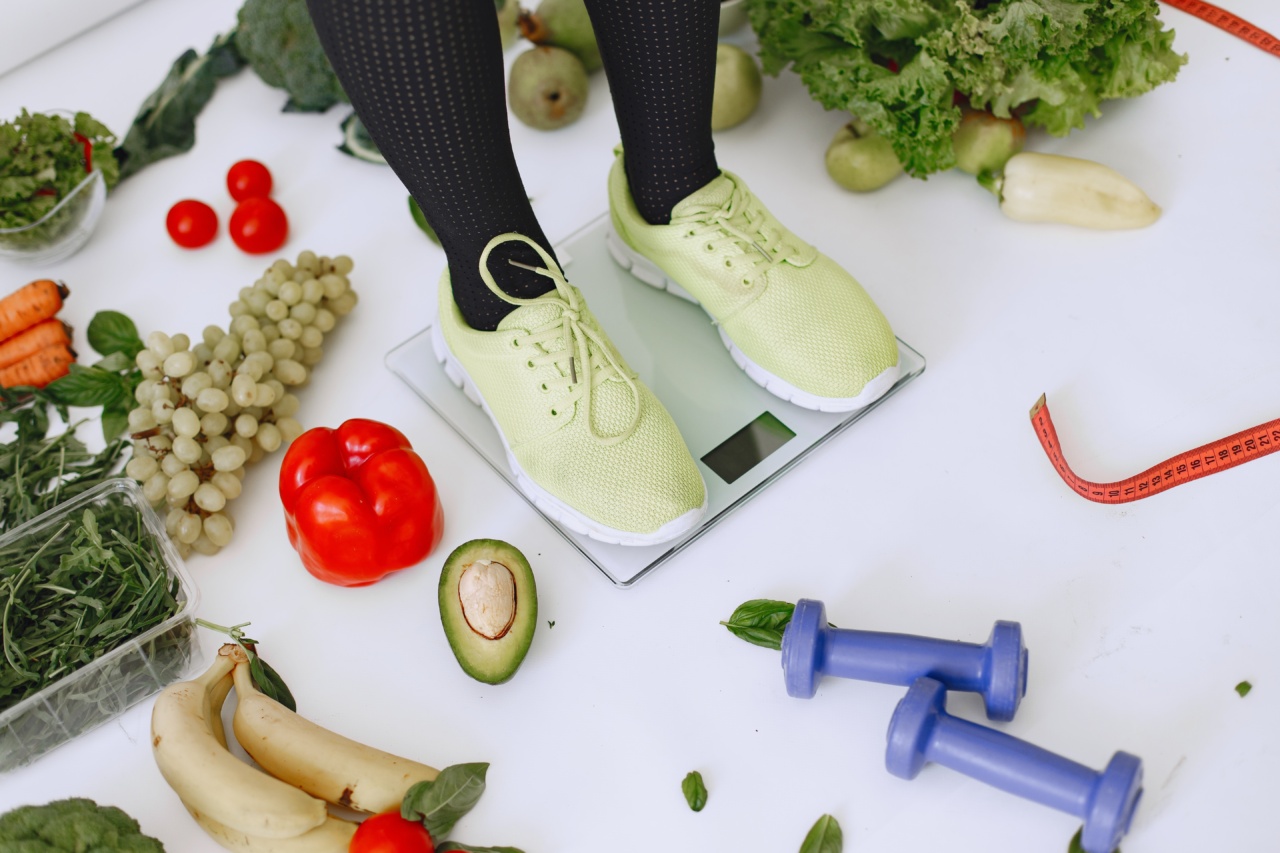
Are you frustrated with your weight loss progress despite following a strict diet plan? You are not alone. A lot of people struggle to lose weight even when they are doing everything right.
In some cases, the problem is not with the diet plan, but with the common mistakes that people make while following it. Here are some common diet mistakes that may be hindering your weight loss progress:.
1. Skipping Meals
Skipping meals is a common mistake that people make in the hope of reducing their calorie intake. However, it often has the opposite effect as it slows down your metabolism and makes it harder for your body to burn calories.
Moreover, when you skip meals, you are more likely to overeat later in the day as you feel hungrier than usual.
2. Relying Too Much on Processed Foods
Processed foods are convenient, but they are often high in calories, unhealthy fats, sugar, and additives. These ingredients not only contribute to weight gain but also have a negative impact on your overall health.
Instead of relying too much on processed foods, aim to include more whole foods in your diet. Whole foods are nutrient-dense and help you feel full and satisfied for longer.
3. Overestimating Your Portion Sizes
Portion sizes are critical to weight loss. Eating too much, even if it’s healthy food, can lead to weight gain. However, people often overestimate their portion sizes and end up eating more than they intended.
To avoid this mistake, use a food scale or measuring cups to ensure that you are eating the right amount of food.
4. Drinking Too Many Calories
Your beverage choices can impact your weight loss progress as much as your food choices. Soda, fruit juice, and other sweetened drinks are high in calories and sugar.
They not only add up to your daily calorie intake but also make you feel hungry, which leads to overeating. Instead of drinking sugary beverages, opt for water, unsweetened tea, or black coffee.
5. Not Eating Enough Protein
Protein is an essential nutrient that helps you feel full and satisfied after a meal. A diet high in protein can reduce cravings and help you lose weight.
Related Article
Why Your Diet Isn’t Working: 7 Missteps to Avoid

However, many people don’t eat enough protein, especially when following a vegetarian or vegan diet. To ensure that you are getting enough protein, incorporate plant-based protein sources like beans, lentils, and tofu.
6. Eating Too Close to Bedtime
Eating too close to bedtime can interfere with your sleep quality and make it harder for you to lose weight. Late-night snacking can also lead to overeating as you are more likely to consume extra calories when you are tired and less focused.
To avoid this mistake, aim to finish your last meal at least two hours before bedtime.
7. Not Tracking Your Progress
Keeping track of your progress is essential to stay motivated and on track with your weight loss goals. It helps you identify what’s working and what’s not and allows you to make changes accordingly.
Try using a food journal or a calorie-tracking app to monitor your daily food intake and your progress.
8. Not Getting Enough Sleep
Sleep is crucial to weight loss as it helps regulate hormones that control appetite and metabolism.
When you don’t get enough sleep, your body produces more ghrelin, a hormone that stimulates hunger, and less leptin, a hormone that regulates appetite. To ensure that you are getting enough sleep, aim to get at least 7-8 hours of sleep every night.
9. Over-Restricting Your Diet
Over-restricting your diet can backfire and make it harder for you to lose weight. When you deprive your body of certain foods, you are more likely to crave them and overeat later.
Try to include a variety of foods in your diet, including those you enjoy in moderation. This way, you can satisfy your cravings without sabotaging your weight loss efforts.
10. Not Drinking Enough Water
Water is a calorie-free beverage that can help you feel full and satisfied between meals. It also helps flush out toxins from your body and keeps you hydrated. Many people mistake thirst for hunger and end up snacking when they are actually dehydrated.
To avoid this mistake, aim to drink at least 8 glasses of water per day.


