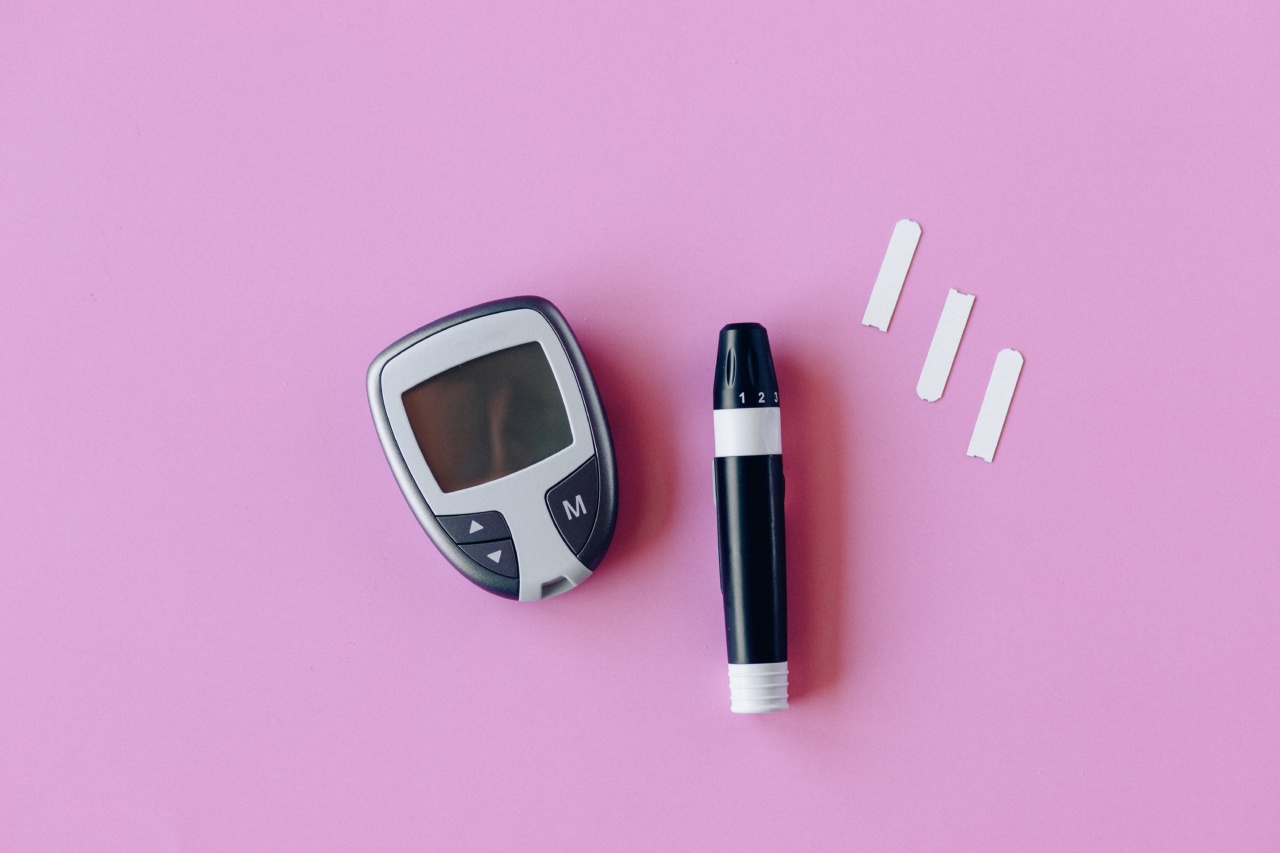
Diabetes is a chronic disease that affects millions of people worldwide. It is caused by the body’s inability to produce or use insulin effectively, which leads to high levels of glucose in the blood.
While there are several risk factors for diabetes, maintaining an ideal weight is one of the most important preventative measures you can take.
What is an ideal weight?
An ideal weight is the weight range that is associated with the best health outcomes, including a reduced risk of chronic diseases such as diabetes. The most commonly used measure of ideal weight is body mass index (BMI).
BMI is calculated by dividing your weight in kilograms by your height in meters squared. A BMI of 18.5-24.9 is considered healthy, while a BMI of 25-29.9 indicates overweight and a BMI of 30 or greater indicates obesity.
The link between weight and diabetes
Being overweight or obese is a major risk factor for developing type 2 diabetes. In fact, over 90% of people with type 2 diabetes are either overweight or obese.
Related Article
Ideal weight: The impact on your heart health

This is because excess body fat can lead to insulin resistance, which means the body’s cells do not respond to insulin as well as they should, leading to higher blood sugar levels. Over time, this can lead to the development of type 2 diabetes.
How losing weight can help prevent diabetes
Losing weight can help to reduce your risk of diabetes in several ways:.
- Reduce insulin resistance: Losing weight can help to reduce insulin resistance, which means that the body’s cells are better able to respond to insulin.
- Lower blood sugar levels: Losing weight can help to lower blood sugar levels and reduce the risk of developing diabetes.
- Reduce inflammation: Excess weight can lead to chronic inflammation, which is a risk factor for several chronic diseases, including diabetes. Losing weight can help to reduce inflammation levels in the body.
- Lower blood pressure: Losing weight can help to lower blood pressure, which is another important risk factor for diabetes.
How to achieve an ideal weight
If you are overweight or obese, losing even a small amount of weight can help to reduce your risk of diabetes. Here are some tips to help you achieve an ideal weight:.
- Eat a healthy diet: Eating a diet that is rich in fruits, vegetables, whole grains, and lean protein can help you to lose weight and reduce your risk of diabetes.
- Get regular exercise: Exercise can help to burn calories, build muscle mass, and improve insulin sensitivity, all of which can help you to lose weight and reduce your risk of diabetes.
- Reduce stress: Stress can lead to overeating and weight gain. Finding healthy ways to manage stress, such as through meditation, yoga, or deep breathing, can help you to maintain a healthy weight.
- Get enough sleep: Getting enough sleep is important for maintaining a healthy weight. Lack of sleep can lead to overeating and weight gain.
The bottom line
Maintaining an ideal weight is crucial for preventing diabetes. Losing even a small amount of weight can help to reduce your risk of developing the disease.
By eating a healthy diet, getting regular exercise, reducing stress, and getting enough sleep, you can achieve and maintain an ideal weight and reduce your risk of diabetes.


