Varicose veins and spider veins are two different types of cosmetic issues that occur in the veins of the human body.
They are not only unsightly, but they may also cause discomfort, pain, and other complications, such as skin damage, chronic inflammation, and blood clots. Understanding the causes, symptoms, diagnosis, and treatment options for varicose veins and spider veins is vital for anyone concerned about their vein health.
In this comprehensive guide, we will explore everything you need to know about these conditions.
What Are Varicose Veins?
Varicose veins are swollen, twisted veins that usually appear on the legs, although they can occur in other parts of the body as well.
They develop when the valves that regulate blood flow in the veins become damaged or weakened, causing blood to flow backward and pool in the veins instead of flowing towards the heart.
What Are Spider Veins?
Spider veins, also known as telangiectasias, are smaller, thinner veins that are closer to the surface of the skin. They may appear as blue, purple, or red webs or clusters on the face, legs, or other parts of the body.
Spider veins are usually harmless and do not cause pain or discomfort, but they can be a cosmetic concern for some people.
What Causes Varicose Veins and Spider Veins?
There are several factors that may increase the risk of developing varicose veins and spider veins, including:.
- Age: As you age, the valves in your veins may become weaker, increasing the likelihood of blood pooling in the veins.
- Gender: Women are more likely than men to develop varicose veins and spider veins, according to many studies. Hormonal changes during menstruation, pregnancy, and menopause may be contributing factors.
- Family history: If other members of your family have had varicose veins or spider veins, you may be more likely to develop them as well.
- Obesity: Excess weight puts extra pressure on the veins, making it harder for blood to flow properly.
- Sitting or standing for long periods: If you have a job or lifestyle that requires you to sit or stand for extended periods, you may be at higher risk of developing varicose veins and spider veins.
What Are the Symptoms of Varicose Veins and Spider Veins?
The most common symptoms of varicose veins are:.
Related Article
All About Varicose Veins and Spider Veins: Your Ultimate Resource

- Bulging, twisted veins that are visible on the skin
- Mild to moderate pain and discomfort
- Tiredness or heaviness in the legs
- Burning or itching in the affected area
- Swelling, especially after prolonged standing or sitting
The symptoms of spider veins are typically limited to the appearance of the veins themselves, which may cause embarrassment or self-consciousness in some people.
How Are Varicose Veins and Spider Veins Diagnosed?
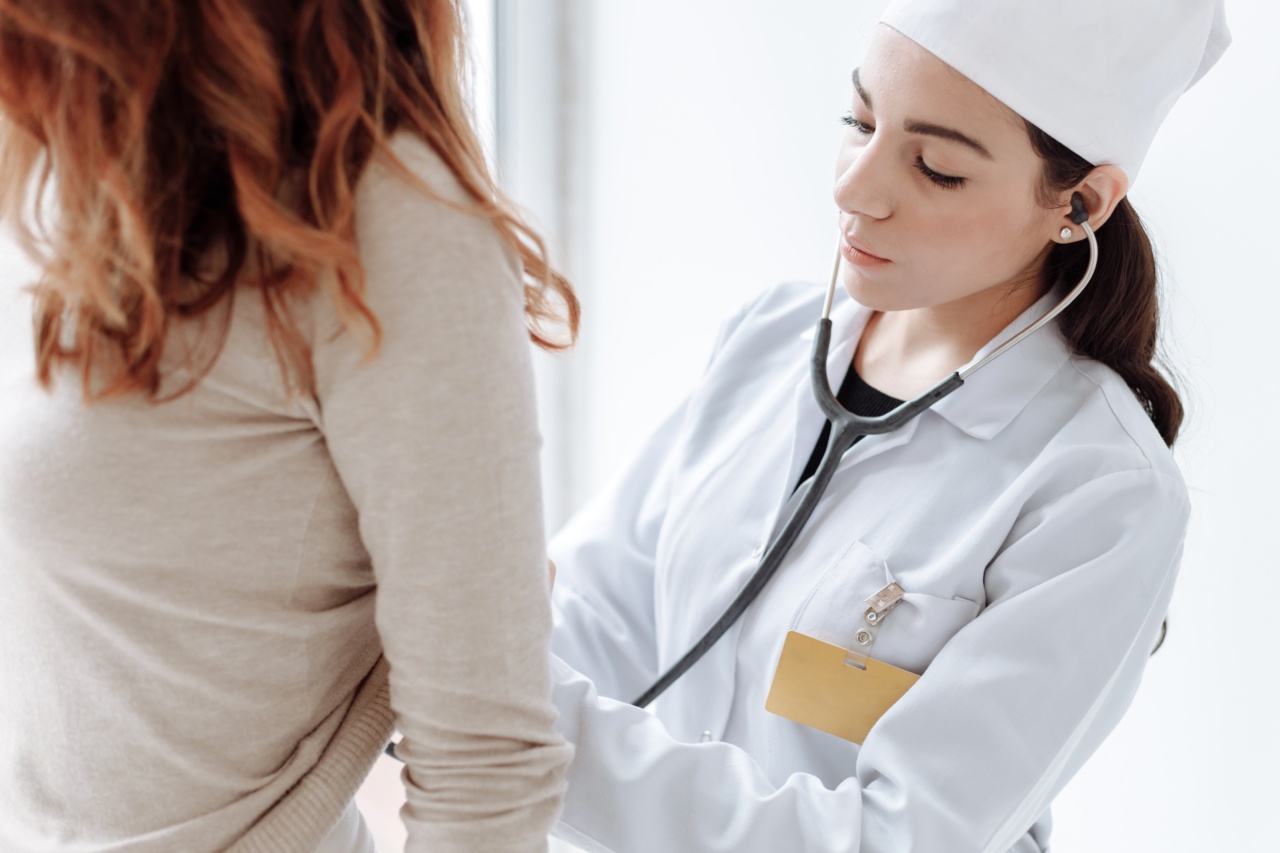
Diagnosing varicose veins and spider veins usually involves a physical examination by a doctor or vein specialist, who will look for signs of veins that are twisted, swollen, or discolored.
In some cases, additional tests may be needed to assess the severity of the condition and rule out other underlying health issues.
What Are the Treatment Options for Varicose Veins and Spider Veins?
There are several treatment options available for varicose veins and spider veins, depending on the severity of the condition and the individual’s preference. Some of the most common treatment options include:.
- Compression stockings: These are tight-fitting stockings or socks that put pressure on the legs, helping to improve blood flow and reduce the symptoms of varicose veins and spider veins.
- Sclerotherapy: This involves injecting a solution directly into the affected vein, causing it to collapse and fade over time. This is a popular treatment option for spider veins.
- Laser therapy: This involves using a high-intensity beam of light to heat and destroy the affected vein, causing it to disappear over time.
- Radiofrequency ablation: This involves using radiofrequency energy to create heat and destroy the affected vein, causing it to collapse and be absorbed by the body.
- Vein surgery: In severe cases, surgery may be necessary to remove the affected vein from the body.
The best treatment option for you will depend on several factors, including the severity of your condition, your overall health, and your personal preferences.
Consult with your doctor or vein specialist to determine the best course of treatment for you.
Preventing Varicose Veins and Spider Veins
While some risk factors for varicose veins and spider veins, such as age and family history, are beyond our control, there are several lifestyle changes you can make to reduce your risk of developing these conditions, including:.
- Exercising regularly
- Maintaining a healthy weight
- Avoiding prolonged periods of sitting or standing
- Elevating your legs when sitting or lying down
- Avoiding tight clothing that restricts blood flow
- Wearing compression stockings if recommended by your doctor
By adopting healthy habits and making responsible lifestyle choices, you can reduce your risk of developing varicose veins and spider veins and promote overall vein health.


