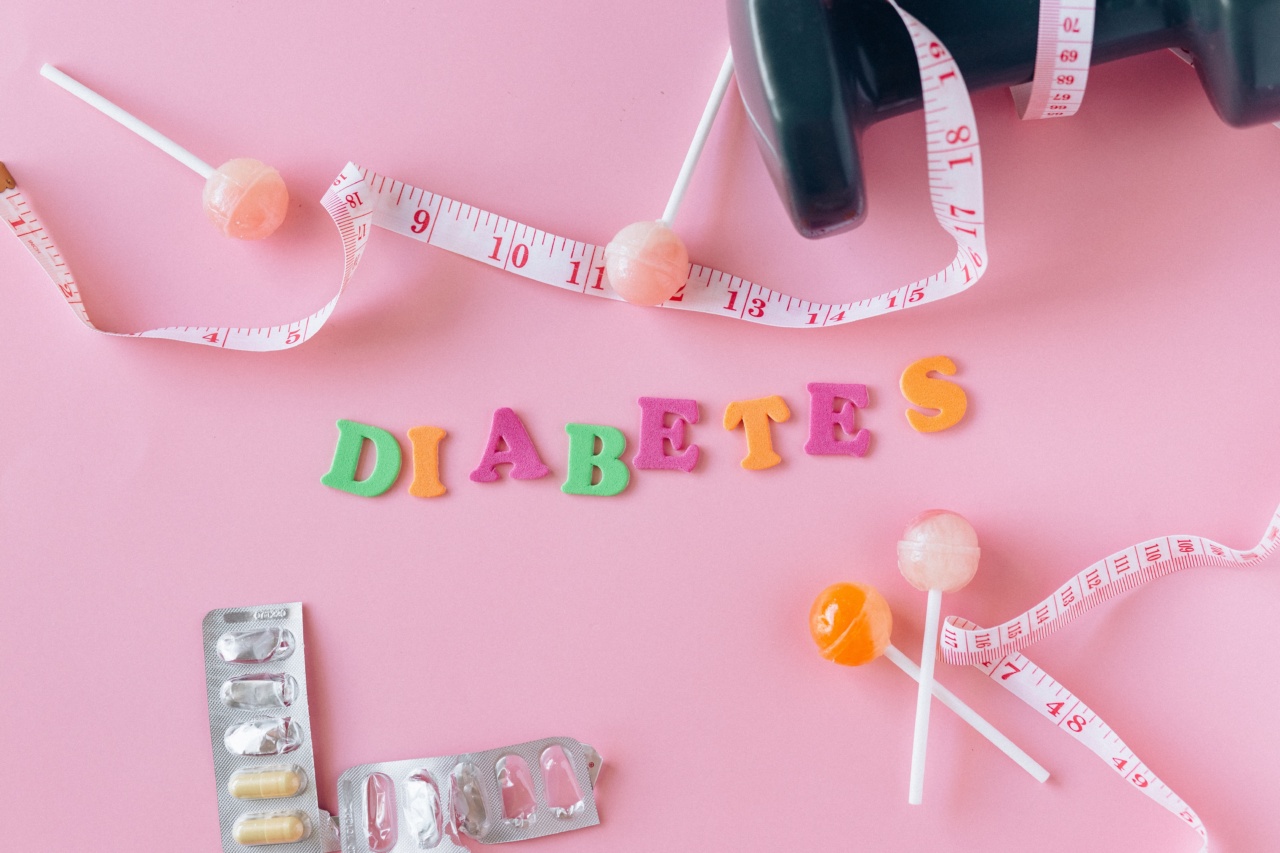
Effortless weight loss and diabetes management are two crucial aspects of a healthy lifestyle.
For individuals living with diabetes, maintaining a healthy weight plays a significant role in managing their condition and reducing the risk of complications. In this article, we will explore various strategies and tips for achieving effortless weight loss while effectively managing diabetes.
Understanding Diabetes
Diabetes is a chronic condition characterized by high blood sugar levels. There are two primary types of diabetes: type 1 and type 2.
In type 1 diabetes, the immune system mistakenly attacks the insulin-producing cells in the pancreas, resulting in little to no insulin production. Type 2 diabetes, on the other hand, is the most common form and occurs when the body becomes resistant to insulin or doesn’t produce enough insulin to maintain normal blood sugar levels.
The Relationship Between Weight and Diabetes
Weight management plays a crucial role in diabetes. Being overweight or obese increases the risk of developing type 2 diabetes, as excess body weight can lead to insulin resistance.
Additionally, for individuals already diagnosed with diabetes, maintaining a healthy weight is essential for effective management and blood sugar control.
Eating a Balanced Diet
A balanced diet is key to both weight loss and diabetes management. Incorporating a variety of nutrient-rich foods such as fruits, vegetables, whole grains, lean proteins, and healthy fats is essential.
It is important to limit the intake of refined carbohydrates, sugary foods, and high-fat items.
Importance of Portion Control
Portion control is crucial when it comes to managing weight and diabetes. By controlling portion sizes, you can prevent overeating and maintain a calorie deficit for weight loss.
Use smaller plates and bowls to visually trick your brain into thinking you are eating more. Additionally, monitoring carbohydrate intake is necessary to manage blood sugar levels effectively.
Regular Physical Activity
Regular physical activity is paramount for weight loss and diabetes management. Exercise helps burn calories, improve insulin sensitivity, and regulate blood sugar levels.
Engage in a combination of aerobic exercises, strength training, and flexibility exercises to achieve maximum benefits. Aim for at least 150 minutes of moderate-intensity exercise or 75 minutes of vigorous activity each week.
Related Article
The simple steps to shedding weight and preventing diabetes

Importance of Hydration
Staying hydrated is often overlooked but is essential for weight loss and diabetes management. Drinking an adequate amount of water helps control appetite, boosts metabolism, and assists in maintaining stable blood sugar levels.
Aim to drink at least 8 glasses of water per day and monitor your fluid intake if you are on medications that affect kidney function.
The Role of Stress Management
Stress can have a significant impact on weight and blood sugar levels. When faced with stress, the body releases hormones such as cortisol, which can lead to increased appetite and cravings for unhealthy foods.
Practicing stress management techniques such as meditation, yoga, deep breathing exercises, or engaging in hobbies can help reduce stress levels and aid in weight loss and diabetes control.
Importance of Sleep
Adequate sleep is crucial for overall health and wellbeing. Lack of sleep can disrupt hormone levels, leading to increased hunger, weight gain, and difficulty in managing blood sugar levels.
Aim for 7-9 hours of quality sleep each night to support weight loss efforts and diabetes management.
Utilizing Medications and Insulin Therapy
For individuals with diabetes who require medication or insulin therapy, it is essential to work closely with your healthcare team.
Medications such as oral antidiabetic drugs or insulin injections may be prescribed to manage blood sugar levels effectively. Compliance with medication regimens is crucial for both weight management and diabetes control.
Building a Support Network
Having a strong support network can greatly contribute to effortless weight loss and diabetes management. Surround yourself with friends, family, and healthcare professionals who understand and support your goals.
They can provide encouragement, accountability, and valuable advice throughout your journey.
Conclusion
Effortless weight loss and diabetes management go hand in hand for individuals living with diabetes.
By adopting a balanced diet, controlling portions, engaging in regular physical activity, managing stress levels, prioritizing sleep, and utilizing appropriate medications, individuals can successfully achieve weight loss goals while effectively managing diabetes. Remember, always consult with healthcare professionals for personalized guidance and support.


