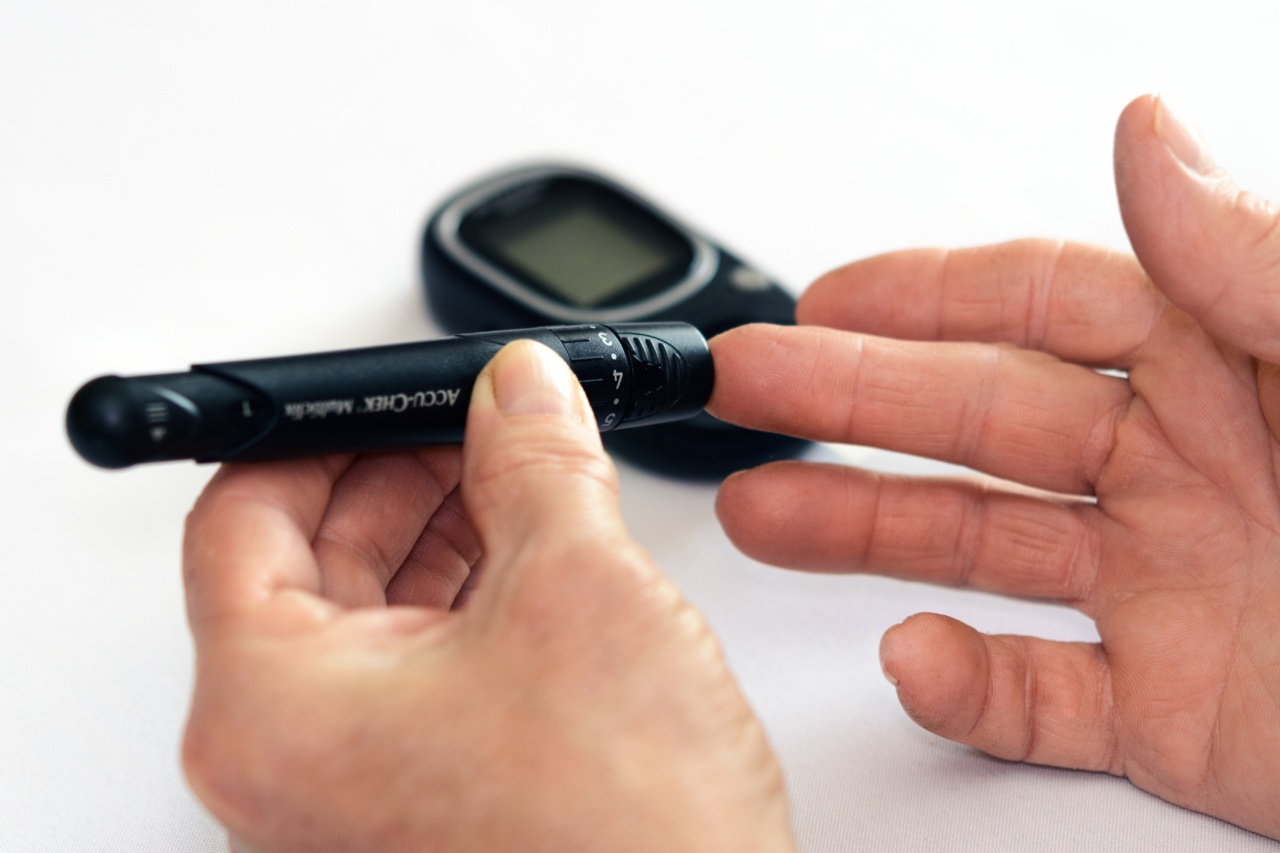
Prostate medications such as finasteride (Proscar) and dutasteride (Avodart) are used to treat benign prostatic hyperplasia (BPH) and can also reduce the risk of prostate cancer.
However, recent studies have shown a potential link between these medications and an increased risk of developing diabetes.
Understanding BPH and Prostate Medications
BPH is a common condition that occurs in men as they age, causing the prostate gland to enlarge and constrict the urethra. This can lead to urinary symptoms such as difficulty starting or stopping urination, weak urine flow, and frequent urination.
Prostate medications such as finasteride and dutasteride work by blocking the conversion of testosterone into dihydrotestosterone (DHT), which can cause the prostate gland to shrink, relieving symptoms of BPH.
These medications are also used in the treatment of male pattern baldness due to their ability to block the conversion of testosterone into DHT.
Link Between Prostate Medications and Diabetes
A recent study published in the Journal of Clinical Endocrinology & Metabolism found that men taking finasteride or dutasteride were at an increased risk of developing diabetes.
The study followed over 80,000 men who were taking either of these medications for BPH or male pattern baldness. The results showed that men taking these medications had a 32% higher risk of developing diabetes compared to those not taking the medications.
Another study published in JAMA Internal Medicine found similar results.
The study followed over 5,000 men taking finasteride or dutasteride for BPH and found that these men had a 15% higher risk of developing diabetes compared to those not taking the medications.
Related Article
Diabetes Linked to Two Common Prostate Drugs

How Prostate Medications May Increase Diabetes Risk
The exact mechanism by which prostate medications increase diabetes risk is not yet fully understood. However, it is thought that these medications may alter the body’s insulin sensitivity and glucose metabolism.
Finasteride and dutasteride have been shown to reduce insulin sensitivity and increase insulin resistance, which can lead to the development of diabetes.
What You Should Do About This Risk
If you are currently taking finasteride or dutasteride for BPH or male pattern baldness, it is important to speak with your doctor about the potential risk of developing diabetes.
Your doctor may recommend regular blood sugar monitoring or alternative treatments for BPH.
However, it is important to note that the risk of developing diabetes from these medications is still relatively low.
The benefits of reducing BPH symptoms and preventing prostate cancer may outweigh the potential risk of developing diabetes for many men.
Conclusion
Prostate medications such as finasteride and dutasteride have been shown to increase the risk of developing diabetes in men.
If you are taking these medications, it is important to speak with your doctor about the potential risk and consider alternative treatments if necessary. However, the risk of developing diabetes from these medications is still relatively low and the benefits of reducing BPH symptoms or preventing prostate cancer may outweigh the risk for many men.


