Health

After-Meal Strategies for People with Diabetes

After-meal strategies for managing blood sugar levels when you have diabetes. Learn about portion control, low glycemic index foods, physical activity, and more

Managing diabetes requires attention to detail on a daily basis. While monitoring blood glucose levels and taking medications as prescribed are essential, what happens after a meal is just as important in keeping blood sugar levels under control.

Here are some strategies for managing blood sugar levels after meals when you have diabetes.

Eat Regularly

Eating regularly throughout the day can help keep blood glucose levels stable. Skipping meals or going too long between meals can lead to dips in blood sugar levels, causing hypoglycemia.

Eating balanced meals with a combination of carbohydrates, protein, and fat can help keep blood sugar levels steady. Aim to eat every three to four hours, and consult with a dietitian for personalized meal planning advice.

Choose Low Glycemic Index Foods

The glycemic index (GI) rates foods on how they affect blood glucose levels. Foods with a high GI value cause blood sugar levels to spike quickly, while low GI foods are processed more slowly, leading to a steadier release of glucose.

Choose low GI foods to help keep blood sugar levels in check after a meal. Examples of low GI foods include whole grains, legumes, fruits, and vegetables.

Avoid Overeating

Eating large portions at a meal can cause blood glucose levels to rise sharply. Instead, practice portion control by using smaller plates and measuring portions to ensure you are eating an appropriate amount.

Eating slowly and mindfully can also help reduce excess calorie intake.

Include Physical Activity

Physical activity can help regulate blood sugar levels after a meal. Try to fit in a brisk walk or other moderate exercise after a meal to help keep glucose levels in a healthy range.

Related Article Managing Diabetes: Your Guide to Post-Meal Care Managing Diabetes: Your Guide to Post-Meal Care

Talk to your healthcare provider about how much exercise is safe for you to engage in.

Be Mindful of Beverages

Drinks with added sugars can significantly impact blood glucose levels after a meal. Water is the best choice, but if you want something with more flavor, choose unsweetened tea or coffee.

Also, be aware that alcohol can cause blood sugar levels to drop, so if you choose to drink, do so in moderation and with food.

Monitor Blood Glucose Levels

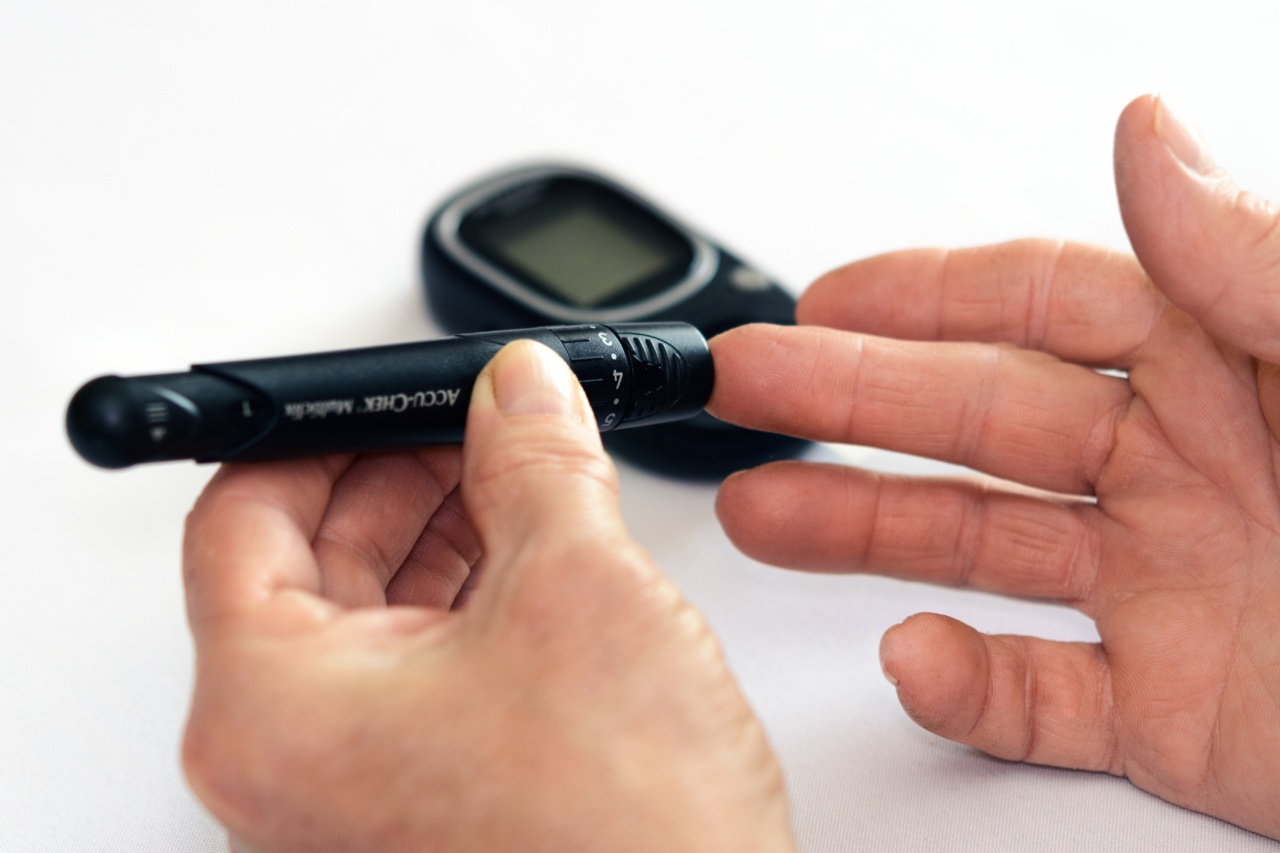
Checking blood glucose levels regularly after a meal can help you understand how your body responds to different foods and activities.

After experimenting with different foods and activities, you can determine what works best for keeping your blood glucose levels in range after meals.

Take Medications as Prescribed

If you are taking medication for diabetes, take it as prescribed by your healthcare provider. Following your medication regimen can help prevent blood sugar levels from spiking after meals.

Manage Stress

Stress can have a significant impact on blood glucose levels. Finding ways to manage stress, such as meditation or deep breathing exercises, can help keep blood sugar levels in check after a meal.

Connect with a Diabetes Educator

A diabetes educator can provide specialized guidance on managing blood sugar levels after meals. They can help you navigate meal planning, offer tips for staying active, and provide support for managing stress related to diabetes.

Conclusion

Managing diabetes requires attention to detail and a commitment to making healthy lifestyle choices. Implementing these after-meal strategies can help keep blood glucose levels in check and improve overall health outcomes for people with diabetes.

Disclaimer: This article serves as general information and should not be considered medical advice. Consult a healthcare professional for personalized guidance. Individual circumstances may vary.
Also check What every parent needs to know about bone health in kids What every parent needs to know about bone health in kids Poor sleep habits contributing to childhood weight gain Poor sleep habits contributing to childhood weight gain Do Carbs Really Make You Fat? Do Carbs Really Make You Fat? Obesity: A Risk Factor for Multiple Sclerosis Obesity: A Risk Factor for Multiple Sclerosis The link between diabetes and pregnancy complications The link between diabetes and pregnancy complications Free Yourself from Stress by Accepting Your Exercise Reality Free Yourself from Stress by Accepting Your Exercise Reality Hangry: The Impact of Hunger on Emotions and Behavior Hangry: The Impact of Hunger on Emotions and Behavior Why walking after eating is beneficial for your health Why walking after eating is beneficial for your health Why insufficient sleep may lead to obesity in kids Why insufficient sleep may lead to obesity in kids Why staying active could be key to living longer with colon cancer Why staying active could be key to living longer with colon cancer Snack Smart: The Thin Waist Edition Snack Smart: The Thin Waist Edition Weight and Dementia Risk: Why Your Midlife Habits Matter Weight and Dementia Risk: Why Your Midlife Habits Matter Physical Activity for Cardiovascular Health in Menopause Physical Activity for Cardiovascular Health in Menopause Enjoy your favorite treat without the guilt Enjoy your favorite treat without the guilt Food and Fitness for Cancer Prevention Food and Fitness for Cancer Prevention Keeping Diabetes in Check During Pregnancy Keeping Diabetes in Check During Pregnancy Stress-induced blood sugar disturbances Stress-induced blood sugar disturbances The Link Between Diabetes and Kidney Disease: Symptoms & Risk Factors The Link Between Diabetes and Kidney Disease: Symptoms & Risk Factors Combating Genetic Obesity: Lifestyle Changes That Work Combating Genetic Obesity: Lifestyle Changes That Work Aerobic Exercise and Blood Sugar Aerobic Exercise and Blood Sugar Want to lower your cancer risk? Start walking today Want to lower your cancer risk? Start walking today Low-calorie trap picks Low-calorie trap picks The surprising link between a sunny disposition and low body weight The surprising link between a sunny disposition and low body weight Think You Can’t Have Dessert and Still Lose Weight? Think Again! Think You Can’t Have Dessert and Still Lose Weight? Think Again! 10 weight loss sins to kick to the curb 10 weight loss sins to kick to the curb Protecting yourself from cancer: 8 habits to follow Protecting yourself from cancer: 8 habits to follow Diabetes management for maximum well-being Diabetes management for maximum well-being Minimizing the Risk of Osteoporosis: Factors to Consider Minimizing the Risk of Osteoporosis: Factors to Consider Summer is here, get your swimsuit ready with this diet Summer is here, get your swimsuit ready with this diet The Role of Nutrition in Lowering Diabetes Risk The Role of Nutrition in Lowering Diabetes Risk
To top