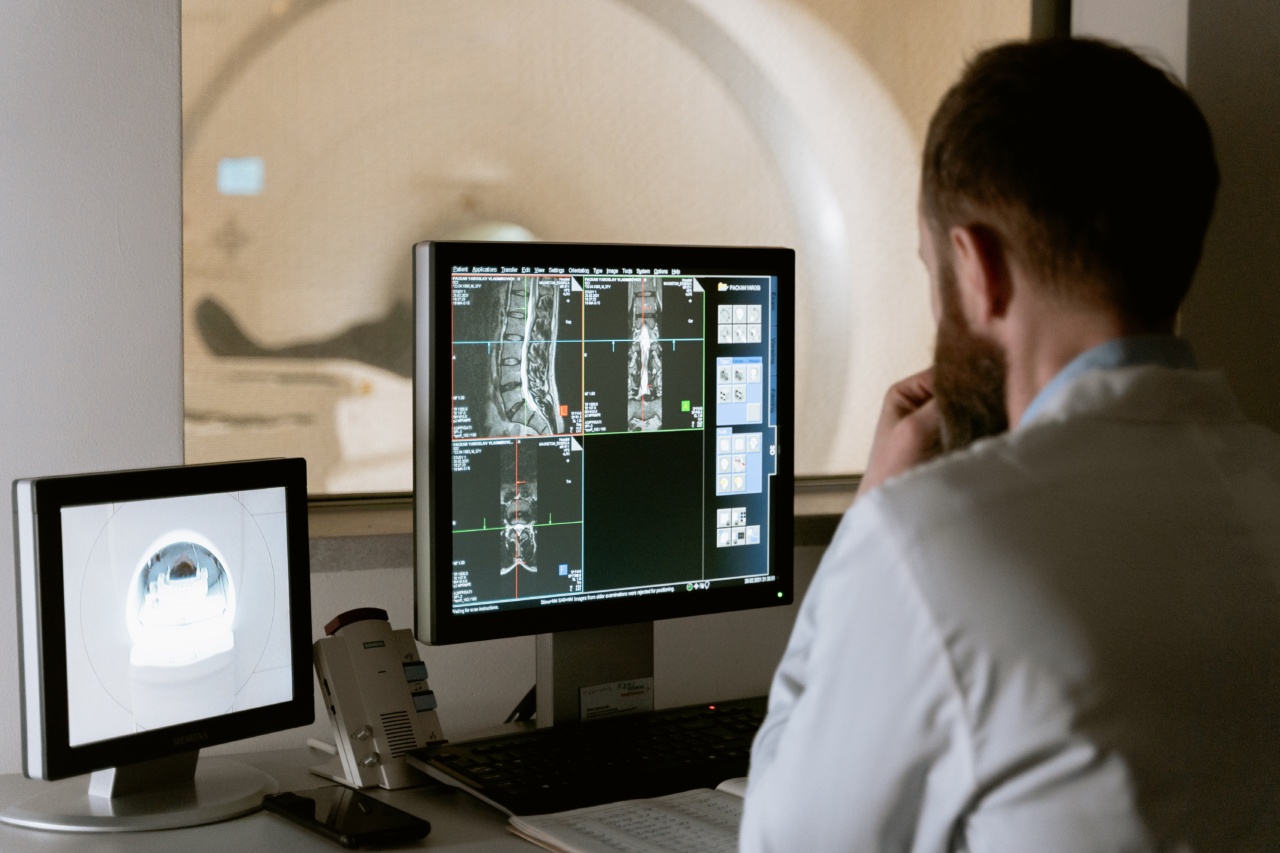
Good skeletal health is important for overall health and well-being. Strong bones help us perform everyday activities like walking, running, and even sitting. However, with age, bones naturally weaken and become more prone to fractures and breaks.
Therefore, it is essential to ensure optimal skeletal health throughout our lifetimes. Here are six tips to boost your bones and keep them healthy and strong.
1. Get Enough Calcium and Vitamin D
Calcium and vitamin D are two essential nutrients for strong and healthy bones. Calcium is the main building block for bones, while vitamin D helps the body absorb calcium. Calcium-rich foods include dairy products, leafy greens, and fortified cereals.
Vitamin D can be found in fatty fish, egg yolks, and fortified foods, but the best source is exposure to sunlight. Aim for at least 600-800 IU of vitamin D per day and 1,000-1,200 mg of calcium per day.
2. Engage in Weight-Bearing Exercise
Weight-bearing exercises, such as walking, running, and weightlifting, help promote bone health by strengthening bones and increasing bone density. Regular weight-bearing exercises can also help prevent bone loss and reduce the risk of fractures.
Aim for 30 minutes of weight-bearing exercise at least three times per week.
3. Quit Smoking and Limit Alcohol Intake
Smoking and excessive alcohol intake can contribute to weakened bones and increase the risk of fractures.
Studies show that smoking contributes to a decrease in bone density, while excessive alcohol consumption can interfere with bone remodeling, leading to bone loss. Quitting smoking and limiting alcohol intake are crucial for optimizing bone health.
Related Article
Healthy bones for life: 6 habits to adopt

4. Eat a Healthy Diet
A healthy and balanced diet is essential for overall health, including bone health. A diet rich in fruits and vegetables provides essential vitamins and minerals that are important for bone health.
Additionally, getting enough protein is also important for building and repairing bones. Include protein-rich foods such as lean meats, poultry, fish, and legumes in your diet.
5. Manage Chronic Conditions
Chronic conditions such as diabetes, kidney disease, and rheumatoid arthritis can contribute to bone loss and increase the risk of fractures. It is important to manage these conditions properly to optimize bone health.
Follow your healthcare provider’s recommendations and take medications as prescribed to prevent bone loss and fracture risk.
6. Schedule Regular Bone Density Tests
Bone density tests can help detect osteoporosis and other bone conditions that can lead to bone loss and fractures. Women over age 65 and men over age 70 should have regular bone density tests.
Younger adults with risk factors for bone loss should also consider having bone density tests. Talk to your healthcare provider about scheduling regular bone density tests.
Conclusion
Optimizing skeletal health is essential for overall health and well-being. By following these six tips, you can help keep your bones strong and healthy throughout your lifetime.
Remember to get enough calcium and vitamin D, engage in weight-bearing exercise, quit smoking and limit alcohol intake, eat a healthy diet, manage chronic conditions, and schedule regular bone density tests.


