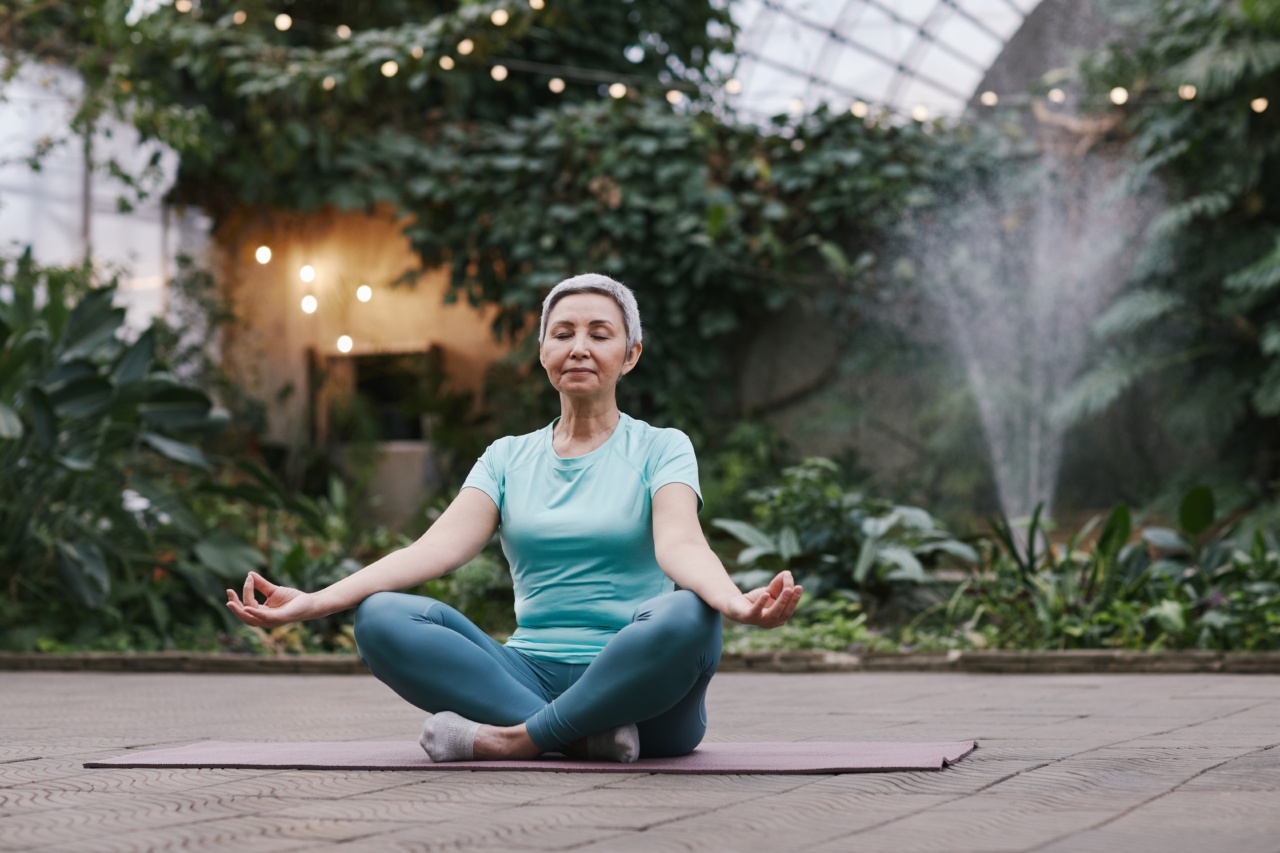
Elderly people may suffer from age-related health problems, such as various types of cancer, cardiovascular diseases, and cognitive decline. However, some simple lifestyle changes can help boost their overall health and well-being.
Among these changes are the consumption of omega-3 fatty acids, vitamin D supplements, and regular exercises that promote anti-cancer activity. These activities can help to alleviate symptoms and improve the quality of life for seniors.
Omega-3 Fatty Acids
Omega-3 fatty acids are essential for human health and well-being. The acids serve in the formation of cell walls and play a vital role in nerve and brain functions. However, some bodies cannot produce enough omega-3 fatty acids on their own.
The best dietary sources of omega-3 fatty acids are fish, particularly fatty fish, such as sardines and salmon, chia seeds, and flaxseed.
Research shows that omega-3 fatty acids have a protective effect against cardiovascular diseases, including stroke, heart attacks, and arrhythmias.
Studies also reveal that omega-3 acids may help to prevent and treat depression, as well as visual and brain disorders. Additionally, omega-3 fatty acids can counteract the age-related decline in muscle mass and strength and improve joint health.
Several food companies have enhanced their products and marketed them as omega-3 sources. Seniors can now choose from enriched eggs, milk, and bread, as well as supplements.
However, seniors should discuss the risks and benefits of such supplements with their doctors before using them.
Vitamin D
Vitamin D is a crucial vitamin for bone health. It can help the body absorb calcium and other minerals. The primary source of vitamin D is sunlight. However, some people cannot adequately synthesize vitamin D.
Related Article
The Importance of Omega-3, Vitamin D, and Exercise in Fighting Aging

Seniors, particularly those who reside in nursing homes or cannot get outside often, are at risk of vitamin D deficiency.
Studies have shown that vitamin D can prevent several cancers, including breast and colorectal cancers. Vitamin D can also prevent cognitive decline, and some studies suggest that it can be useful for preventing falls and fractures in the elderly.
For seniors who cannot get enough sunlight, vitamin D supplements can help. However, like omega-3 fatty acids, seniors should consult their doctors before taking such supplements.
Anti-Cancer Exercise
Exercise can provide many benefits for the elderly. It can improve their mood, reduce the risk of heart disease and stroke, and promote healthy joint function. Additionally, exercise can have an anti-cancer effect on elderly people.
Anti-cancer exercises stimulate the immune system to improve the body’s ability to detect and fight cancer cells.
Several studies have identified the benefits of regular exercise in combating cancer, particularly breast cancer and lung cancer. Elderly people should aim to exercise for at least 30 minutes per day, five days per week.
The exercise can be tailored to the individual’s abilities, and seniors who are new to exercise should start slowly and work with a trainer or physical therapist to develop a plan that fits their needs.
Conclusion
Boosting the health of elderly people can be as simple as eating a diet rich in omega-3 fatty acids, taking vitamin D supplements, and performing exercises that have anti-cancer benefits.
Seniors should discuss these lifestyle changes with their doctors to ensure that they fit their individual needs.


