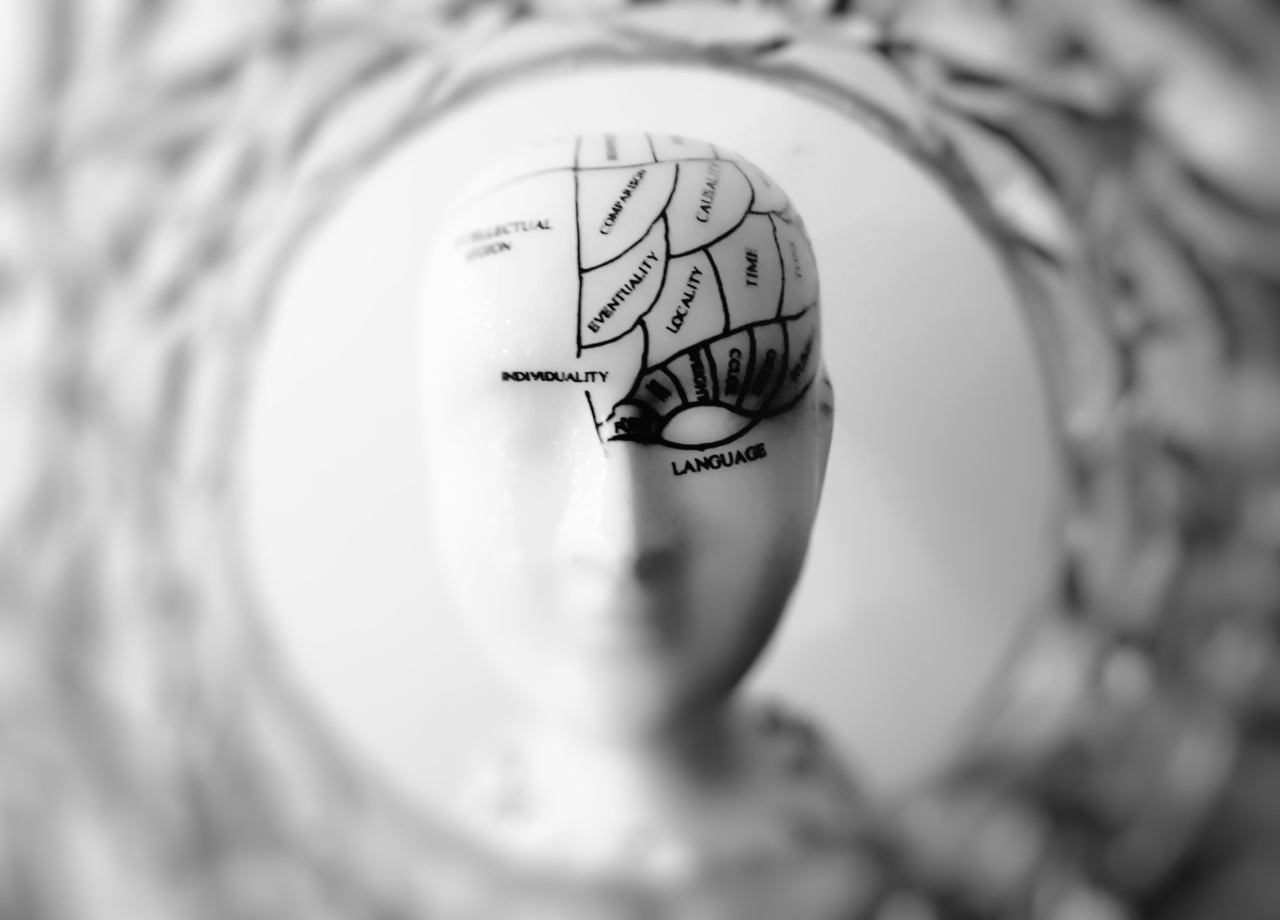
The brain is a vital organ that is responsible for many vital functions in the human body. It controls all the bodily functions, including breathing, heart rate, and digestion. The brain also controls our thoughts, emotions, and behaviors.
One of the most crucial factors in determining brain health is brain volume. When the brain volume is decreasing, it is a sign of distress. In this article, we will discuss six signs of distress related to brain volume.
1. Memory Loss
Memory loss is one of the most common signs of decreased brain volume. The hippocampus, a part of the brain that plays a significant role in memory, is among the first regions to be affected by brain volume loss.
People with decreased brain volume may have difficulty remembering recent events and retaining new information. These symptoms can also lead to difficulty with learning and problem-solving.
2. Cognitive Decline
Cognitive decline is another significant sign of distress related to brain volume. As the brain shrinks, it can cause changes in cognitive function, including difficulty with problem-solving, decision-making, and processing complex information.
These symptoms can lead to a decline in overall cognitive function, which can impact daily activities.
3. Mood Changes
Changes in mood, such as increased anxiety, depression, or irritability, can be symptoms of decreased brain volume. The reduction of gray matter in the brain’s prefrontal cortex has been linked to mood disorders, including depression and anxiety.
4. Decreased Motor Function
Brain volume loss can also impact motor function. The degeneration of the basal ganglia, which is responsible for voluntary movements, can lead to slowed movements, tremors, and difficulty with coordination.
Related Article
The Brain’s Volume: Six SOS Signals

These symptoms can impact daily activities and increase the risk of falls.
5. Decreased Sense of Smell
A decreased sense of smell can be a sign of distress related to brain volume. The olfactory bulb, which is responsible for processing odor signals, is one of the first regions of the brain to be affected by brain volume loss.
People with decreased brain volume may have difficulty distinguishing between different odors or may have a reduced sense of smell.
6. Increased Risk of Dementia
Decreased brain volume is also a significant risk factor for developing dementia. Dementia is a syndrome that affects cognitive function, including memory, language, and problem-solving.
The most common form of dementia is Alzheimer’s disease, which is characterized by a progressive loss of brain cells and decreased brain volume.
Conclusion
Brain volume is an essential factor in determining brain health.
Decreased brain volume is a sign of distress and can lead to many symptoms, including memory loss, cognitive decline, mood changes, decreased motor function, a decreased sense of smell, and an increased risk of dementia. If you are experiencing any of these symptoms, it is essential to see a healthcare provider to determine the underlying cause and receive appropriate treatment.


