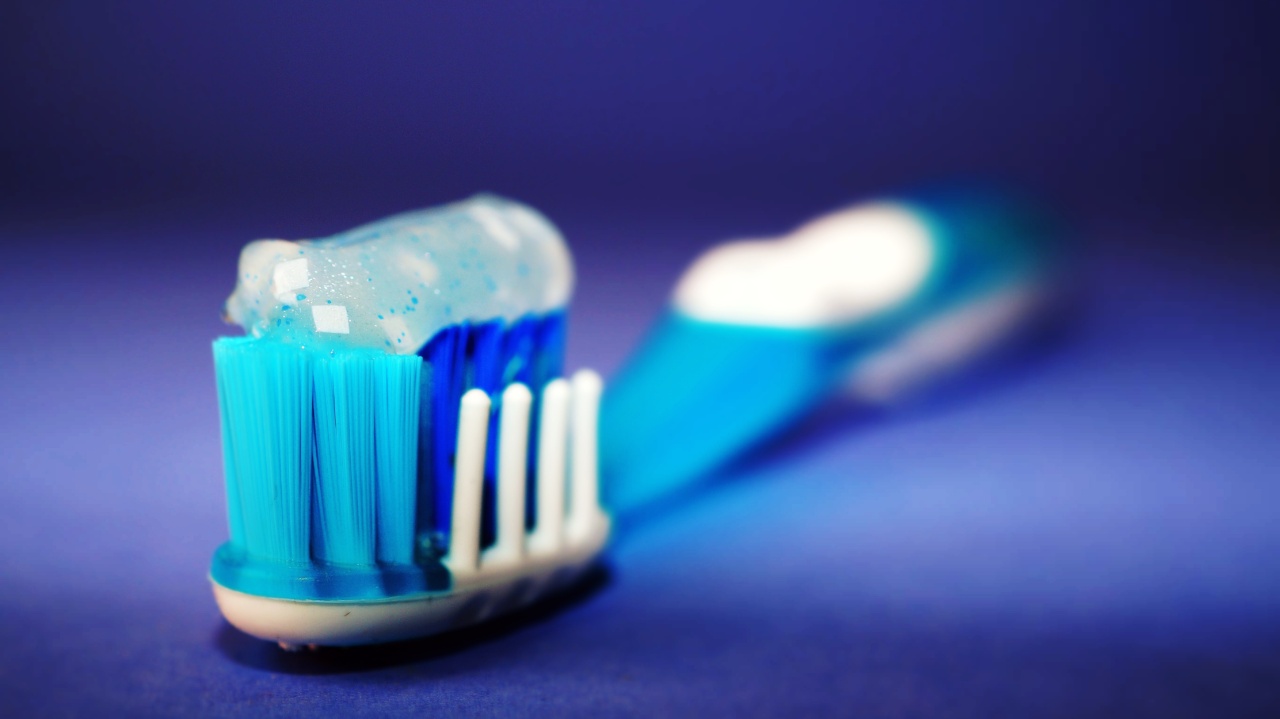
Oral hygiene plays a crucial role in maintaining optimal dental health. While brushing your teeth may seem like a simple task, choosing the right toothbrush is essential for effective cleaning.
The market offers a wide range of toothbrushes, each varying in shape, size, and bristle type. With so many options available, it can be challenging to determine which toothbrush is best suited for your needs. In this article, we will discuss the factors to consider when selecting a toothbrush for optimal oral health.
Why is choosing the right toothbrush important?
Before we delve into the factors to consider, it’s essential to understand why choosing the right toothbrush is important. The primary purpose of brushing your teeth is to remove plaque and food debris from the surfaces of your teeth.
An improper toothbrush can fail to reach certain areas, leaving plaque behind and increasing the risk of dental issues such as cavities, gum disease, and bad breath. Therefore, selecting the right toothbrush is crucial for achieving optimal oral health.
Factors to consider when choosing a toothbrush
1. Bristle type:.
The type of bristle is an important factor to consider when selecting a toothbrush. There are typically three types of bristles available: soft, medium, and hard. Dentists generally recommend using a toothbrush with soft bristles.
Soft bristles are gentle on the gums and tooth enamel, minimizing the risk of irritation or damage. Hard bristles, on the other hand, can be too rough on the gums and may cause gum recession over time.
2. Size of the brush head:.
The size of the brush head also matters when choosing a toothbrush. It should be small enough to reach all areas of your mouth, including the back molars.
A toothbrush with a large brush head may not effectively clean hard-to-reach places, leaving behind plaque and reducing the effectiveness of your oral hygiene routine.
3. Manual vs. electric:.
Deciding between a manual toothbrush and an electric toothbrush is largely a matter of personal preference. Both options can effectively clean your teeth if used correctly.
However, electric toothbrushes are often preferred by individuals with limited dexterity or those who find it difficult to brush their teeth thoroughly with a manual brush. Electric toothbrushes also come with various features such as timers, pressure sensors, and different brushing modes, which can enhance your brushing experience.
4. Comfort and ease of use:.
It’s important to choose a toothbrush that feels comfortable in your hand and is easy to use. Consider the handle design, grip, and weight of the toothbrush.
A comfortable toothbrush will encourage regular and thorough brushing, leading to better oral health.
Related Article
Prevent Periodontitis with the Right Toothbrush

5. Replaceability:.
Remember that toothbrushes wear out over time and need to be replaced regularly. As a general rule of thumb, it is recommended to replace your toothbrush every three to four months or when the bristles become frayed.
Therefore, choose a toothbrush that is easily available and affordable for regular replacements.
6. ADA approval:.
Look for the American Dental Association (ADA) seal of approval on the packaging of the toothbrush. This seal ensures that the product has undergone rigorous testing and meets the ADA’s standards of safety and effectiveness.
Using an ADA-approved toothbrush can provide peace of mind and assurance that you are using a quality oral care product.
Proper toothbrushing technique
Now that you know what factors to consider when selecting a toothbrush, it’s equally important to understand the proper toothbrushing technique. Here are the steps to follow for effective brushing:.
1. Hold your toothbrush at a 45-degree angle to the gum line.
2. Use gentle, circular motions to brush the outer surfaces of your teeth.
3. Tilt the brush vertically to reach the inner surfaces of your teeth.
4. Brush the chewing surfaces of your teeth using back-and-forth motions.
5. Don’t forget to brush your tongue to remove bacteria and freshen your breath.
6. Rinse your mouth thoroughly with water.
7. Clean your toothbrush and store it in an upright position to dry.
Conclusion
Choosing the right toothbrush is paramount for maintaining optimal oral health. Consider the bristle type, size of the brush head, manual vs. electric, comfort and ease of use, replaceability, and ADA approval when selecting a toothbrush.
Remember to follow proper toothbrushing technique for effective cleaning. By making an informed decision and practicing good oral hygiene, you can ensure that your teeth and gums remain healthy.


