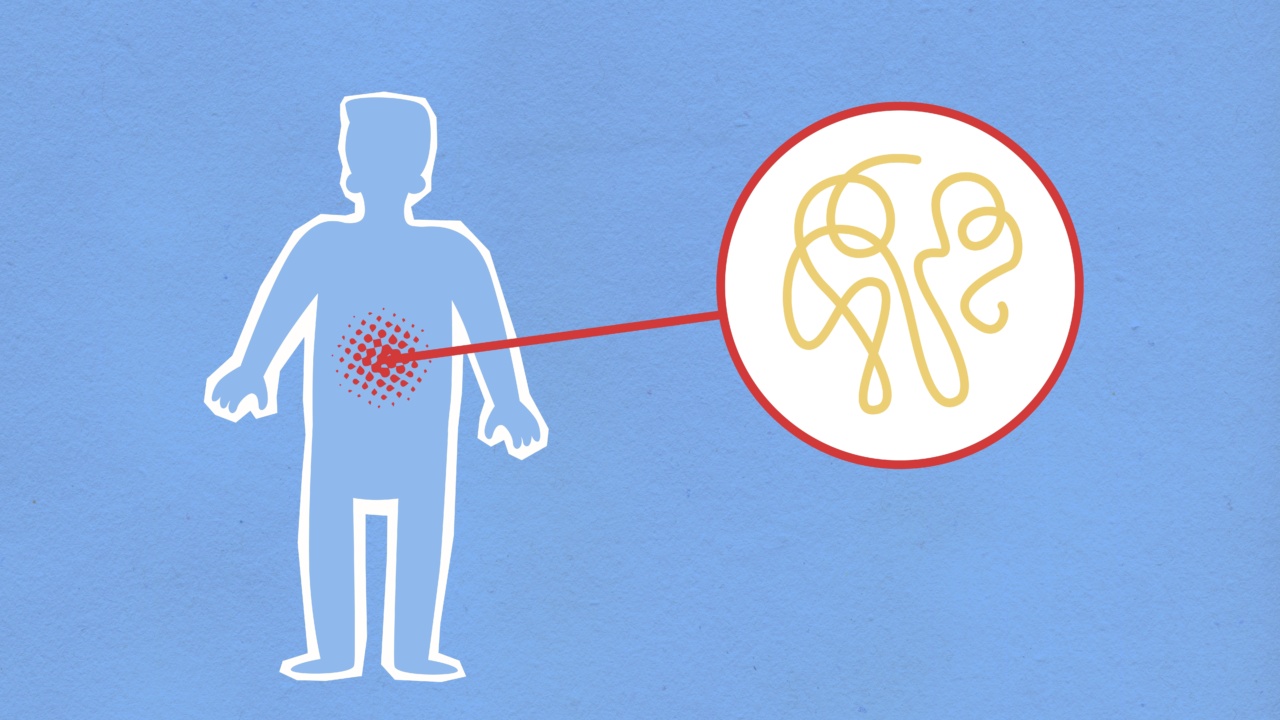
Inflammation is a natural process that occurs in our body in response to pathogens and injury.
Although it is a normal process that plays a vital role in our body’s healing mechanism, it can sometimes become harmful and affect the body’s normal functioning. In this article, we will explore the impact of inflammation on the body and how it affects your health.
What is Inflammation?
Inflammation is a biological response by the body’s immune system to harmful stimuli such as pathogens, injuries, or toxins.
Inflammation is characterized by redness, swelling, pain, and heat, and it is an essential part of the body’s healing mechanism.
There are two types of inflammation: acute and chronic inflammation. Acute inflammation is a brief response to harmful stimuli and usually resolves on its own.
Chronic inflammation, on the other hand, is a prolonged and persistent response and can cause damage to the body’s tissues and organs.
How Does Inflammation Impact the Body?
Inflammation can affect different parts of the body in various ways. Let’s take a closer look at how inflammation can impact the body:.
1. Cardiovascular System
Inflammation can cause damage to the walls of the arteries, and this can lead to the formation of plaques.
When plaques accumulate in the arteries, it can lead to the narrowing of the blood vessels, which can result in cardiovascular diseases such as heart attack, stroke, and hypertension.
2. Digestive System
Inflammation of the digestive system can lead to conditions such as irritable bowel syndrome (IBS), inflammatory bowel disease (IBD), and celiac disease. These conditions can cause discomfort, pain, and other digestive issues.
3. Respiratory System
Inflammation of the respiratory system can lead to conditions such as asthma, chronic obstructive pulmonary disease (COPD), and pneumonia. These conditions can cause breathing difficulties and lower the quality of life.
4. Joints and Muscles
Inflammation of the joints can cause conditions such as osteoarthritis, rheumatoid arthritis, and gout. These conditions can cause pain, stiffness, and reduced mobility.
Factors that Trigger Inflammation
Although inflammation is a natural process that occurs in the body, certain factors can trigger inflammation and make it harmful. Some common factors that trigger inflammation include:.
Related Article
Uncover The Effects Inflammation Has On Your Health

1. Diet
A diet high in processed foods, sugar, and unhealthy fats can trigger inflammation in the body. Consuming foods that are high in antioxidants can help reduce inflammation.
2. Lack of Exercise
A sedentary lifestyle can increase the risk of inflammation. Exercise can help reduce inflammation and improve overall health.
3. Chronic Stress
Chronic stress can lead to the release of stress hormones which can trigger inflammation in the body. Managing stress through relaxation techniques such as meditation, yoga, and deep breathing can help reduce inflammation.
4. Environmental Toxins
Toxins in the environment, such as pollution, can trigger inflammation. Reducing exposure to environmental toxins can help reduce inflammation.
How to Reduce Inflammation
Reducing inflammation can help improve overall health and reduce the risk of chronic diseases. Here are some ways to reduce inflammation:.
1. Eat a Healthy Diet
Eating a healthy diet that is rich in fruits, vegetables, whole grains, nuts, and seeds can help reduce inflammation. Avoiding processed foods, added sugars, and unhealthy fats can also help reduce inflammation.
2. Exercise Regularly
Regular exercise can help reduce inflammation and improve overall health. Aim for at least 30 minutes of moderate-intensity exercise each day.
3. Get Enough Sleep
Getting adequate sleep each night can help reduce inflammation. Aim for at least 7-8 hours of sleep each night.
4. Manage Stress
Managing stress through relaxation techniques such as meditation, yoga, and deep breathing can help reduce inflammation.
5. Avoid Environmental Toxins
Avoid exposure to environmental toxins such as pollution and chemicals.
The Bottom Line
Inflammation is a process that occurs naturally in the body, but when triggered by harmful stimuli such as poor diet, stress, and environmental toxins, it can become harmful.
Chronic inflammation can lead to a range of chronic diseases such as heart disease, diabetes, and cancer. Reducing inflammation through diet, exercise, stress management, and reducing exposure to environmental toxins can help improve overall health and reduce the risk of chronic diseases.


