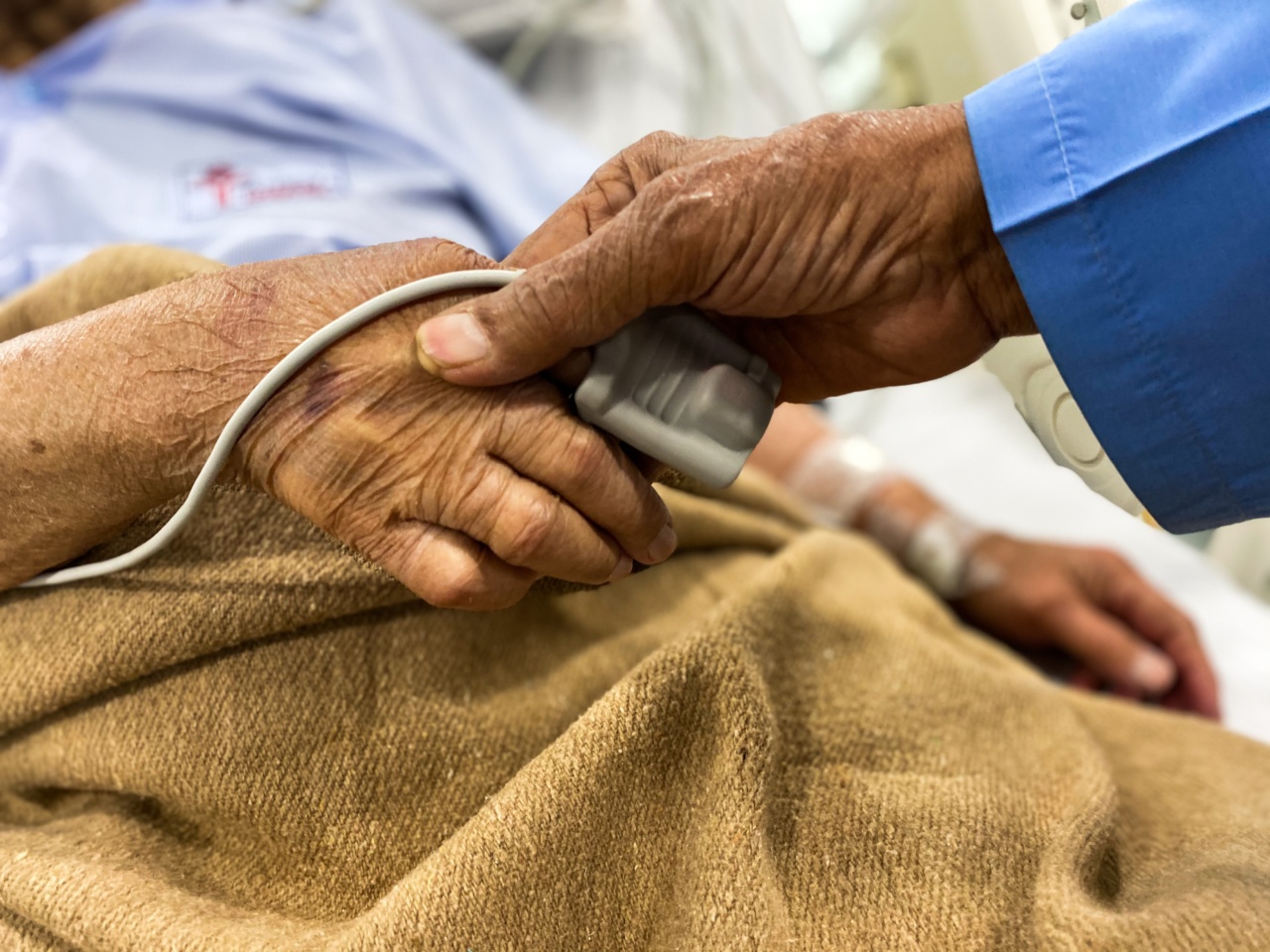
As we journey through the passage of time, there are some unwelcome companions that often make their presence known – diseases.
Aging brings with it a higher susceptibility to various health conditions, some of which can significantly impact our quality of life. In this article, we will explore 10 diseases that haunt us as we age and the steps we can take to mitigate their effects.
1. Cardiovascular Disease
Cardiovascular disease encompasses a range of conditions affecting the heart and blood vessels, including coronary artery disease, heart attacks, and strokes.
As we age, our blood vessels lose elasticity and our heart muscles weaken, making us more prone to these conditions. Maintaining a healthy lifestyle, including regular exercise, a balanced diet, and managing blood pressure and cholesterol levels, can help reduce the risk.
2. Arthritis
Arthritis, characterized by joint inflammation and stiffness, becomes more prevalent as we age. Osteoarthritis, the most common form, occurs when the protective cartilage cushioning the joints wears down over time.
Regular exercise, maintaining a healthy weight, and protecting joints from injury can aid in managing arthritis symptoms.
3. Alzheimer’s Disease
Alzheimer’s disease is a progressive brain disorder that affects memory, thinking, and behavior. Although advancing age is a significant risk factor, it is not an inevitable consequence of aging.
Staying mentally active, engaging in social interactions, eating a healthy diet, and exercising regularly can potentially lower the risk of developing this debilitating disease.
4. Osteoporosis
Osteoporosis is a condition characterized by decreased bone density, leading to fragile and brittle bones. As we age, the rate of bone loss can surpass the rate of new bone formation, increasing the risk of fractures.
Adequate intake of calcium and vitamin D, regular weight-bearing exercises, and avoiding smoking and excessive alcohol consumption are essential in preventing osteoporosis.
5. Cancer
Cancer is the uncontrolled growth of abnormal cells in the body. Advancing age is a major risk factor for many types of cancer, including breast, lung, prostate, and colorectal cancer.
Regular screenings, such as mammograms and colonoscopies, along with adopting a healthy lifestyle, can aid in early detection and prevention.
Related Article
What illnesses strike the fear of aging?

6. Diabetes
Diabetes occurs when the body cannot effectively regulate blood sugar levels. Age plays a significant role in the development of type 2 diabetes, which accounts for the majority of diabetes cases.
Maintaining a healthy weight, engaging in regular physical activity, and following a balanced diet are crucial in reducing the risk of diabetes.
7. Respiratory Diseases
Respiratory diseases, including Chronic Obstructive Pulmonary Disease (COPD), asthma, and pneumonia, become more prevalent as we age. Factors such as decreased lung elasticity and weakened immune system contribute to these conditions.
Avoiding exposure to secondhand smoke, getting vaccinated against pneumonia and influenza, and practicing good respiratory hygiene can help minimize the risk.
8. Depression
Depression is a common mental health disorder that can affect individuals of any age, but it is more prevalent among older adults.
Elderly individuals may experience major life changes, bereavement, or feelings of loneliness and isolation, which can contribute to depression. Seeking professional help, maintaining an active social life, and participating in activities that bring joy and purpose can assist in managing depression.
9. Vision and Hearing Loss
As we age, gradual changes in vision and hearing are expected. However, certain conditions, such as cataracts, glaucoma, age-related macular degeneration, and presbycusis (age-related hearing loss), are more prevalent among older individuals.
Regular eye and hearing exams, protecting the eyes from harmful UV rays, and minimizing exposure to loud noises can help preserve vision and hearing.
10. Parkinson’s Disease
Parkinson’s disease is a neurodegenerative disorder that affects movement and coordination. While it can develop in younger individuals, the risk increases with age. Currently, there is no known cure for Parkinson’s disease.
However, regular exercise, physical therapy, and medication can help manage symptoms and improve quality of life.
Conclusion
Aging comes with its share of challenges, and the increased risk of diseases is one of them. However, by being proactive and adopting a healthy lifestyle, individuals can significantly minimize the impact of these diseases.
Regular exercise, a balanced diet, managing chronic conditions, and seeking medical attention when needed are crucial steps to lead a fulfilling and healthy life as we age.


