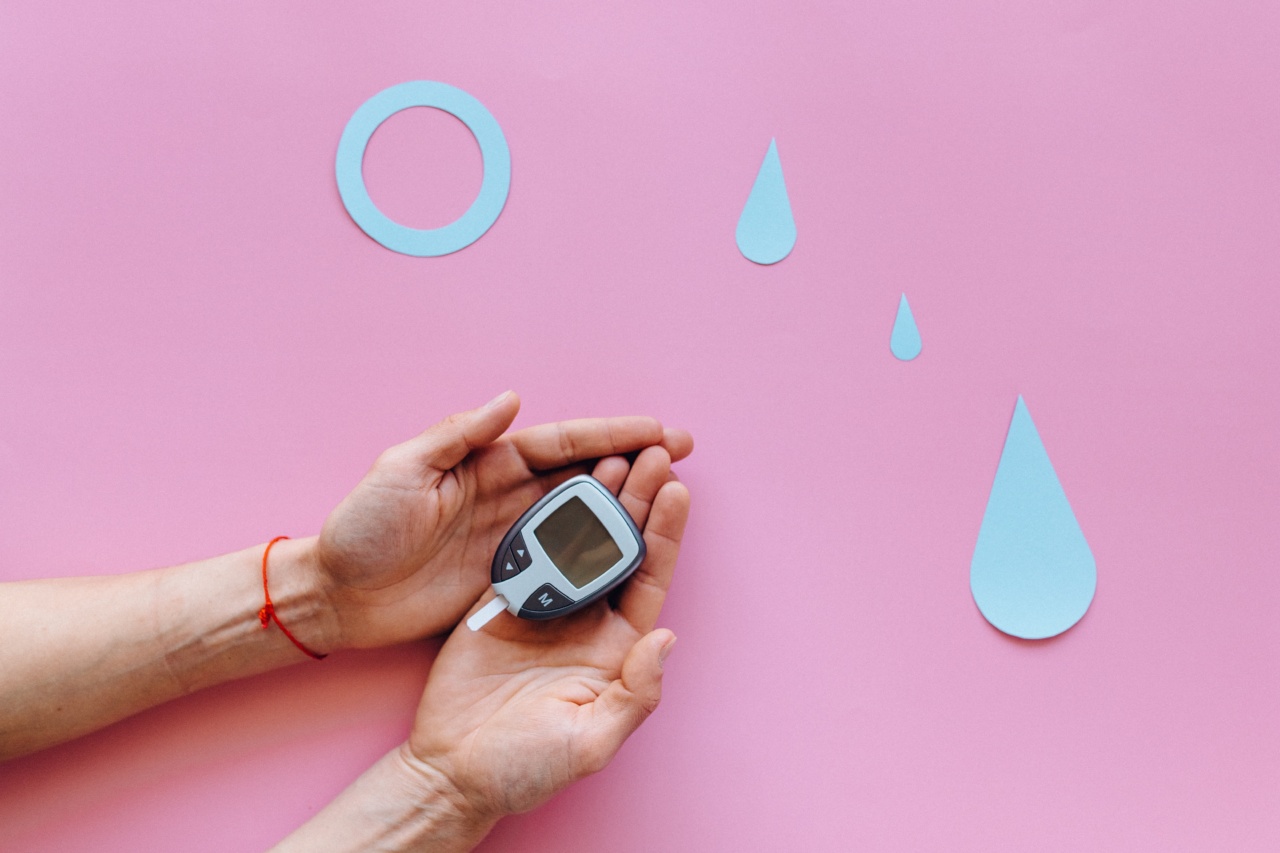
For individuals with diabetes, regular blood sugar measurement is a crucial part of managing the condition and maintaining overall health.
However, for diabetics who are not on insulin therapy, there is a debate surrounding the necessity and efficacy of frequent blood sugar monitoring. This article aims to explore the reasons why blood sugar measurement may be considered futile for diabetics who do not require insulin treatment.
Understanding Type 2 Diabetes
Type 2 diabetes is a metabolic disorder characterized by high blood sugar levels resulting from insulin resistance or insufficient insulin production.
While insulin therapy is commonly employed for managing the condition, many individuals with type 2 diabetes can maintain stable blood sugar levels through lifestyle modifications, oral medications, and other non-insulin interventions.
The Importance of Blood Sugar Monitoring
Blood sugar monitoring serves as a fundamental tool for individuals with diabetes to assess their glucose levels and make informed decisions about their treatment plan.
It allows individuals to track patterns, recognize triggers for high or low blood sugar levels, and adjust their lifestyle accordingly. For diabetics on insulin, this monitoring becomes particularly vital as they need to administer insulin doses based on their blood sugar readings.
However, for diabetics not on insulin, the necessity of frequent blood sugar monitoring is less clear.
The primary goal for these individuals is to maintain stable blood sugar levels within a target range that is often determined by their healthcare provider. Instead of relying solely on blood sugar readings, they can often achieve this goal through healthy eating, regular exercise, medication adherence, and periodic A1C tests.
Futility in Continuous Monitoring
Continuous glucose monitoring (CGM) devices have become increasingly popular in recent years. These devices provide real-time blood sugar readings throughout the day, allowing diabetics to monitor fluctuations and address any concerns promptly.
While CGMs offer significant benefits for insulin-dependent diabetics, they may not provide the same advantages for diabetics not on insulin therapy.
CGMs can be expensive, require regular calibration, and may lead to an increased focus on minute variations in blood sugar readings.
For diabetics not on insulin, this constant monitoring may lead to unnecessary stress and anxiety without providing substantial additional benefits. Instead, periodic blood sugar measurements and A1C tests conducted during routine healthcare appointments can offer sufficient information to guide non-insulin interventions.
Related Article
Pointless sugar tracking for non-insulin dependent diabetics

Limitations of Blood Sugar Self-Monitoring
Self-monitoring of blood glucose (SMBG) using fingerstick devices is a common practice for individuals with diabetes.
While SMBG offers a snapshot of blood sugar levels at a specific moment, it is important to recognize its limitations for diabetics not on insulin.
Firstly, SMBG can be inconvenient, requiring frequent finger pricks to obtain blood samples. Some individuals may find this process uncomfortable or even painful, potentially leading to reduced compliance.
Furthermore, SMBG readings can be influenced by external factors such as stress, illness, food intake, or physical activity, making it difficult to rely solely on these measurements for decision-making in non-insulin-dependent diabetics.
Individualized Treatment Approach
Diabetes management should always be individualized, and this includes the approach to blood sugar monitoring.
The decision to monitor blood sugar levels for diabetics not on insulin should be based on their specific needs, goals, and preferences, as well as healthcare provider recommendations.
Factors to consider in determining the necessity and frequency of blood sugar measurement include the individual’s ability to achieve and maintain target blood sugar levels, their overall diabetes management plan, adherence to medications, lifestyle modifications, and any other pertinent health conditions. Collaborative discussions between patients and healthcare providers are crucial to establish an appropriate monitoring approach.
Conclusion
While blood sugar measurement is a critical aspect of diabetes management, its necessity and efficacy may vary for diabetics who do not require insulin therapy.
For these individuals, the focus should be on achieving and maintaining stable blood sugar levels within a target range, predominantly through lifestyle modifications and adherence to prescribed treatments.
Ultimately, a balanced approach that considers the individual’s specific needs and preferences should guide the decision on blood sugar monitoring.
Regular healthcare appointments, periodic A1C tests, and consistent adherence to the overall diabetes management plan are crucial components to ensure optimal health outcomes for diabetics not on insulin.


