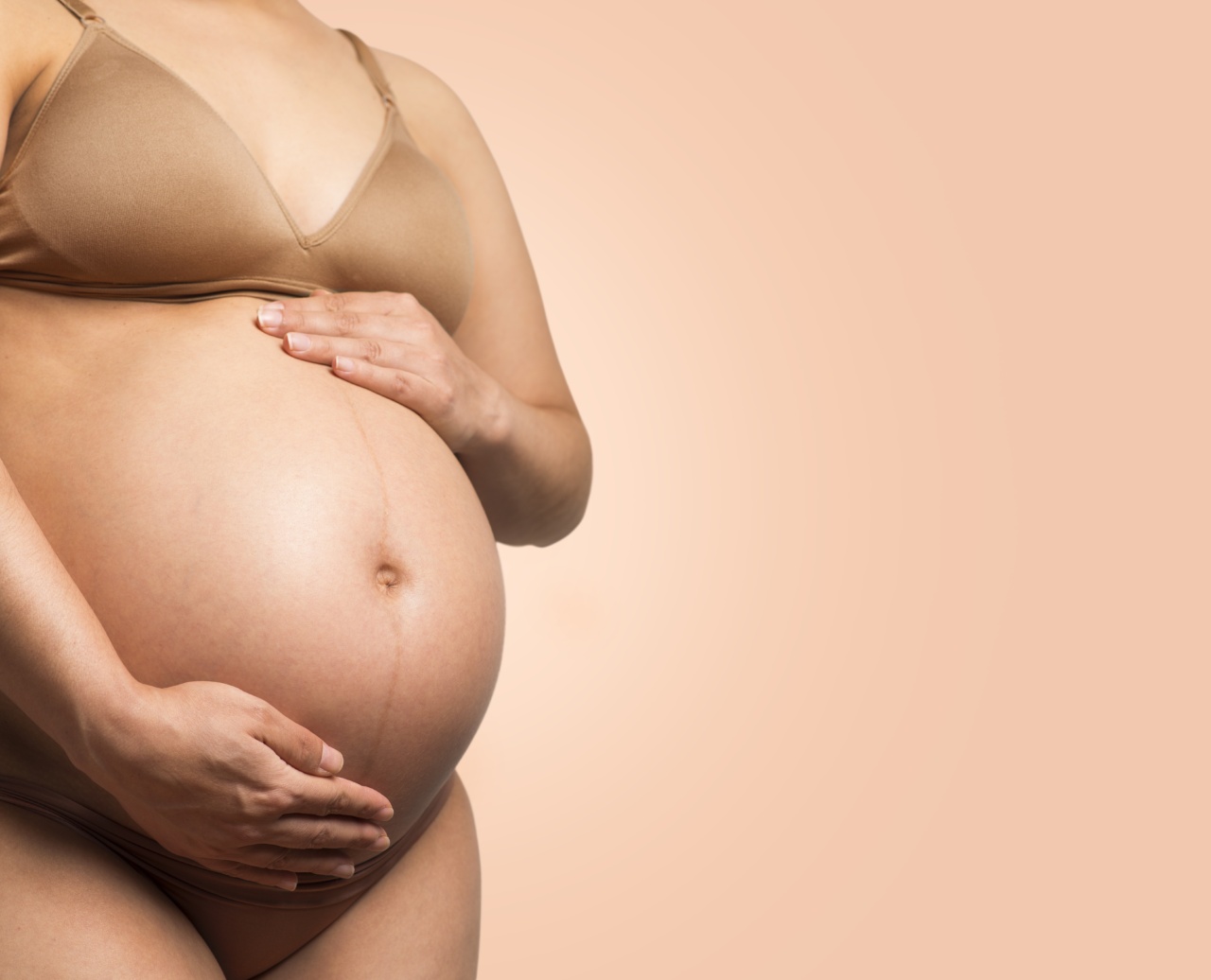
Gallstones are typically a result of cholesterol deposits and can cause severe pain and discomfort in the body. They can also impact pregnancy in various ways.
During pregnancy, the hormones progesterone and estrogen can cause an increase in cholesterol production, which can lead to the formation of gallstones.
What are gallstones?
Gallstones are hard deposits that form in the gallbladder, which is a small organ on the right side of the body just under the liver. The gallbladder releases bile, which helps to break down fats in the body.
If the bile contains too much cholesterol or bilirubin, the gallbladder can form hard deposits that can be as small as a grain of sand or as large as a golf ball.
Symptoms
Gallstones can present with no symptoms, but when they do occur, they can cause extreme pain in the upper abdomen, back, or right shoulder. Other symptoms include nausea, vomiting, bloating, and indigestion.
Gallstones during pregnancy
Pregnancy hormones cause an increase in cholesterol production, which can lead to the formation of gallstones in the gallbladder.
Women who are pregnant and have a history of gallstones are more likely to experience gallstone-related symptoms during pregnancy.
Related Article
Understanding Gallstones and Pregnancy

Risks
Gallstones can pose a risk during pregnancy, as they can lead to complications such as inflammation of the gallbladder or pancreas.
While gallstones are not commonly associated with miscarriage, the symptoms and complications they cause can lead to an increased risk of premature birth, preeclampsia, or a need for cesarean delivery.
Treatment
Treatments for gallstones during pregnancy depend on the severity of the condition. In mild cases, doctors may recommend medication to alleviate symptoms. In more severe cases, surgery may be necessary to remove the gallbladder.
Prevention
There are some things women can do to reduce their risk of developing gallstones during pregnancy. Maintaining a healthy weight, exercising regularly, and eating a low-fat diet can help to prevent gallstones from forming.
Women should also avoid skipping meals or fasting, as these actions can lead to an increased risk of gallstones.
Conclusion
Gallstones can cause severe pain and discomfort in the body, especially during pregnancy. Women who are pregnant and have a history of gallstones should be aware of the increased risk of complications during this time.
It is important to discuss any symptoms with a healthcare provider to determine the best course of treatment.


