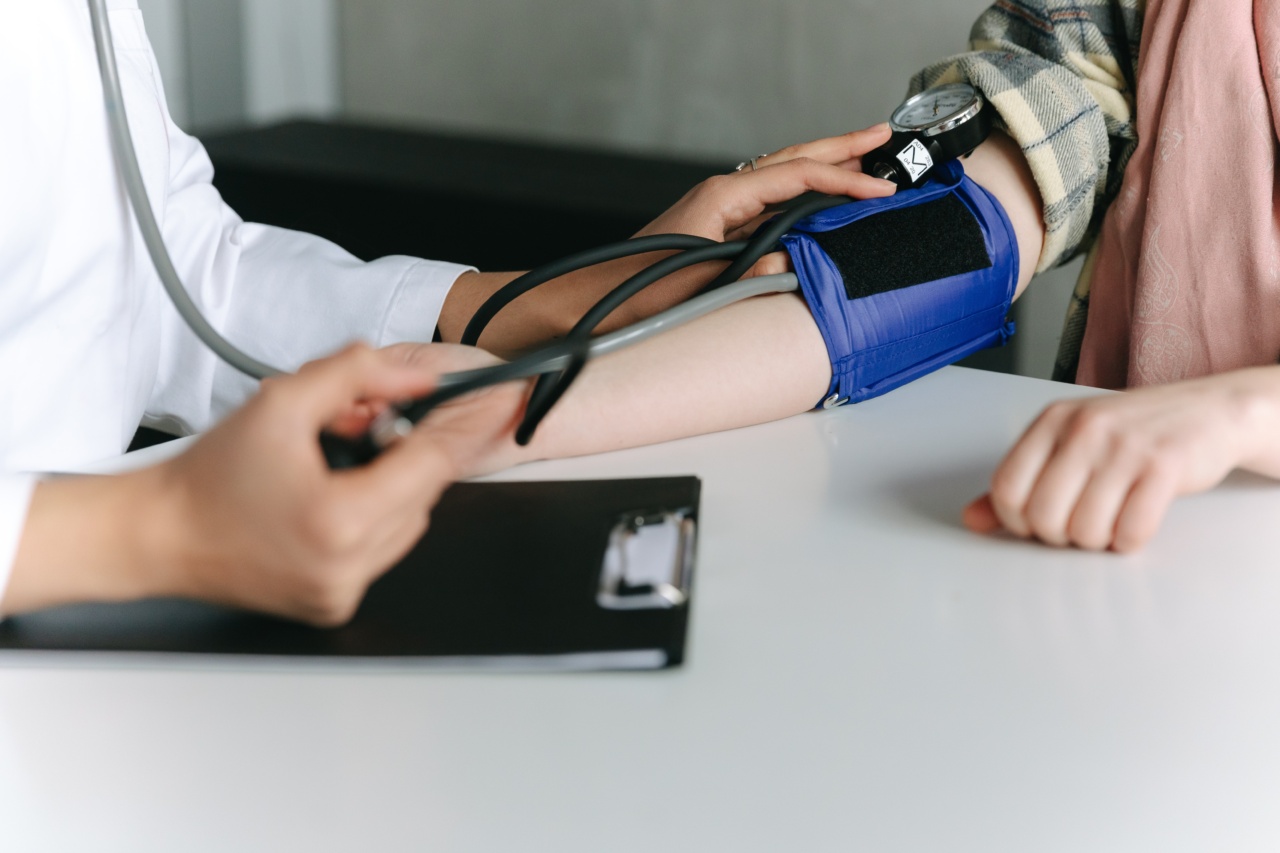
Blood pressure is an important component of good health, and it’s something that we all need to pay attention to. High blood pressure increases the risk of heart disease, stroke, and many other serious health conditions.
What is Blood Pressure?
Blood pressure is the force that the blood exerts on the walls of the arteries as it flows through them. It’s measured in millimeters of mercury (mm Hg) and is expressed as two numbers.
The first number, called the systolic pressure, measures the pressure when the heart beats. The second number, called the diastolic pressure, measures the pressure when the heart is at rest between beats.
What is High Blood Pressure?
High blood pressure, also known as hypertension, is a condition in which the blood pressure is consistently elevated above normal levels. A blood pressure reading of 140/90 mm Hg or higher is considered high blood pressure.
If left untreated, high blood pressure can lead to damage to blood vessels and increase the risk for heart attack, stroke, kidney damage, and other serious health conditions.
Causes of High Blood Pressure
There are many factors that can contribute to high blood pressure. Some of the most common causes include:.
- Being overweight or obese
- Not getting enough physical activity
- Eating a diet that is high in salt and sodium
- Drinking too much alcohol
- Smoking cigarettes
- Stress and anxiety
- Some medical conditions, such as diabetes and kidney disease
- Genetics and family history
Preventing and Managing High Blood Pressure
The good news is that there are many things you can do to prevent and manage high blood pressure.
The key is to adopt a healthy lifestyle that includes regular exercise, a balanced diet, stress reduction techniques, and regular blood pressure screenings.
Exercise
Physical activity is one of the most important things you can do to lower your blood pressure. Aim for at least 30 minutes of moderate intensity exercise most days of the week.
Related Article
Stop your stress from spiking!

This can include activities such as brisk walking, cycling, swimming, or dancing. Make exercise a priority in your routine and find activities that you enjoy.
Diet
What we eat plays a big role in our blood pressure. A diet that is rich in fruits, vegetables, whole grains, and lean proteins can help to lower blood pressure. Foods that are high in salt and sodium should be limited.
A registered dietitian can help you create a healthy eating plan that meets your individual needs.
Stress Reduction
Stress can cause a temporary increase in blood pressure, but chronic stress can lead to long-term hypertension. Find ways to manage stress in your life, such as meditation, yoga, deep breathing exercises, or spending time in nature.
Make time for hobbies and activities that bring you joy and relaxation.
Blood Pressure Screenings
Regular blood pressure screenings are an important part of managing high blood pressure. Talk to your doctor about how often you should have your blood pressure checked.
If you have hypertension, your doctor may recommend more frequent check-ups and monitoring of your blood pressure.
Conclusion
High blood pressure is a serious health condition that can have long-term consequences if left untreated. But the good news is that there are many things you can do to prevent and manage hypertension.
By adopting healthy lifestyle habits like regular exercise, a balanced diet, stress reduction techniques, and regular blood pressure screenings, you can keep your blood pressure in check and enjoy a healthier, happier life.


