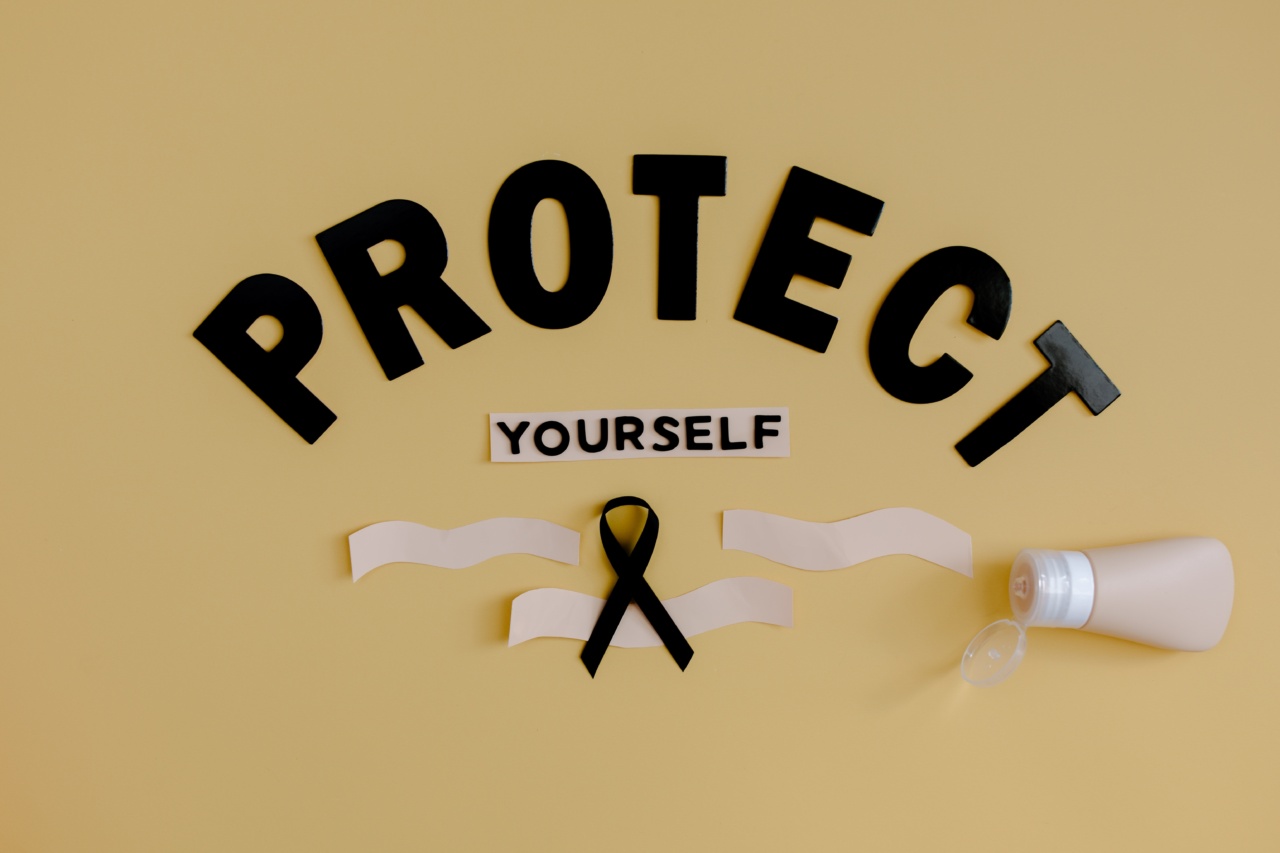
Melanoma is a type of skin cancer that develops from the pigment-producing cells called melanocytes. It is one of the most dangerous forms of skin cancer and can spread to other parts of the body if not detected and treated early.
Protecting yourself from melanoma is crucial, and it’s essential to learn the truths about this condition to take preventive measures effectively.
Understanding Melanoma
Melanoma typically occurs when the melanocyte cells start to grow uncontrollably and form tumors. While it commonly appears on the skin, it can also develop in other pigmented tissues like the eyes or intestines.
Melanoma is often characterized by changes in the appearance of moles or the development of new dark spots. It can vary in size, shape, and color and may lead to symptoms like itching, bleeding, or crusting.
Truth #1: Overexposure to UV Radiation
One of the primary causes of melanoma is overexposure to ultraviolet (UV) radiation from the sun or tanning beds. Prolonged exposure to UV rays damages the DNA in skin cells, increasing the risk of skin cancer.
It is crucial to limit sun exposure, especially during peak hours when the sun’s rays are the strongest. Wearing protective clothing, hats, and sunglasses, and using broad-spectrum sunscreen with a high SPF can significantly reduce the risk.
Truth #2: Importance of Early Detection
Early detection plays a vital role in melanoma management. Regular self-examination of the skin can help identify any changes in moles or the appearance of new spots.
The ABCDE rule can serve as a helpful guide: asymmetry, border irregularity, color variation, diameter larger than a pencil eraser, and evolving characteristics. If any of these signs are noticed, it’s crucial to consult a dermatologist for further evaluation.
Truth #3: Family History and Genetics
Having a family history of melanoma or certain genetic mutations, such as mutations in the BRAF or CDKN2A genes, can increase the risk of developing this type of cancer.
If close family members have been diagnosed with melanoma, it is recommended to inform your healthcare provider so they can assess the need for additional surveillance or genetic testing.
Truth #4: Understand Your Skin Type
Individuals with fair skin, light hair, and light-colored eyes are at a higher risk of developing melanoma. This is because their skin has less melanin, which offers some natural protection against UV radiation.
It’s important to understand your skin type and take appropriate precautions based on the level of risk involved. Those with higher risk should be extra cautious and frequently examine their skin for any changes.
Related Article
Don’t Get Caught in the Dark: What You Need to Know About Melanoma

Truth #5: Avoid Tanning Beds
Tanning beds emit harmful UV radiation that can significantly increase the risk of developing melanoma. According to the World Health Organization, using tanning beds before the age of 35 can increase the risk of melanoma by up to 75%.
It’s essential to avoid tanning beds altogether and opt for safer alternatives like spray tans or self-tanning lotions.
Truth #6: Protecting Children
Protecting children from excessive sun exposure is crucial in preventing melanoma later in life. Sunburns during childhood can significantly increase the risk of melanoma in adulthood.
It’s important to ensure that children are adequately protected with hats, clothing that covers their skin, and safe sunscreen application. Seeking shade during peak sun hours is also advisable.
Truth #7: Regular Skin Check-ups
Regular visits to a dermatologist are essential for individuals at higher risk of developing melanoma. Dermatologists can conduct thorough skin examinations to detect early signs of melanoma that may not be easily noticeable.
They can also advise on necessary preventive measures and provide guidance on self-examinations between appointments.
Truth #8: Emphasizing Sun-Safe Practices
Preventing melanoma involves incorporating sun-safe practices into your daily routine.
Apart from limiting direct sun exposure, it’s crucial to seek shaded areas, use broad-spectrum sunscreen with an SPF of 30 or higher, wear protective clothing and hats, and use sunglasses to shield your eyes from harmful UV rays.
Truth #9: Incorporating Dietary Changes
While the primary cause of melanoma is UV radiation, certain dietary factors may offer protective benefits. Foods rich in antioxidants, such as fruits, vegetables, and green tea, exhibit potential anti-cancer properties.
Consuming a balanced diet that includes these protective foods may contribute to overall skin health and reduce the risk of melanoma.
Truth #10: Living a Healthy Lifestyle
A healthy lifestyle can have a positive impact on reducing the risk of melanoma. Avoiding smoking, managing stress levels, getting regular exercise, and prioritizing overall wellness can contribute to a stronger immune system and healthier skin.
It’s important to remember that maintaining a healthy lifestyle is a holistic approach to ensuring optimal well-being.


