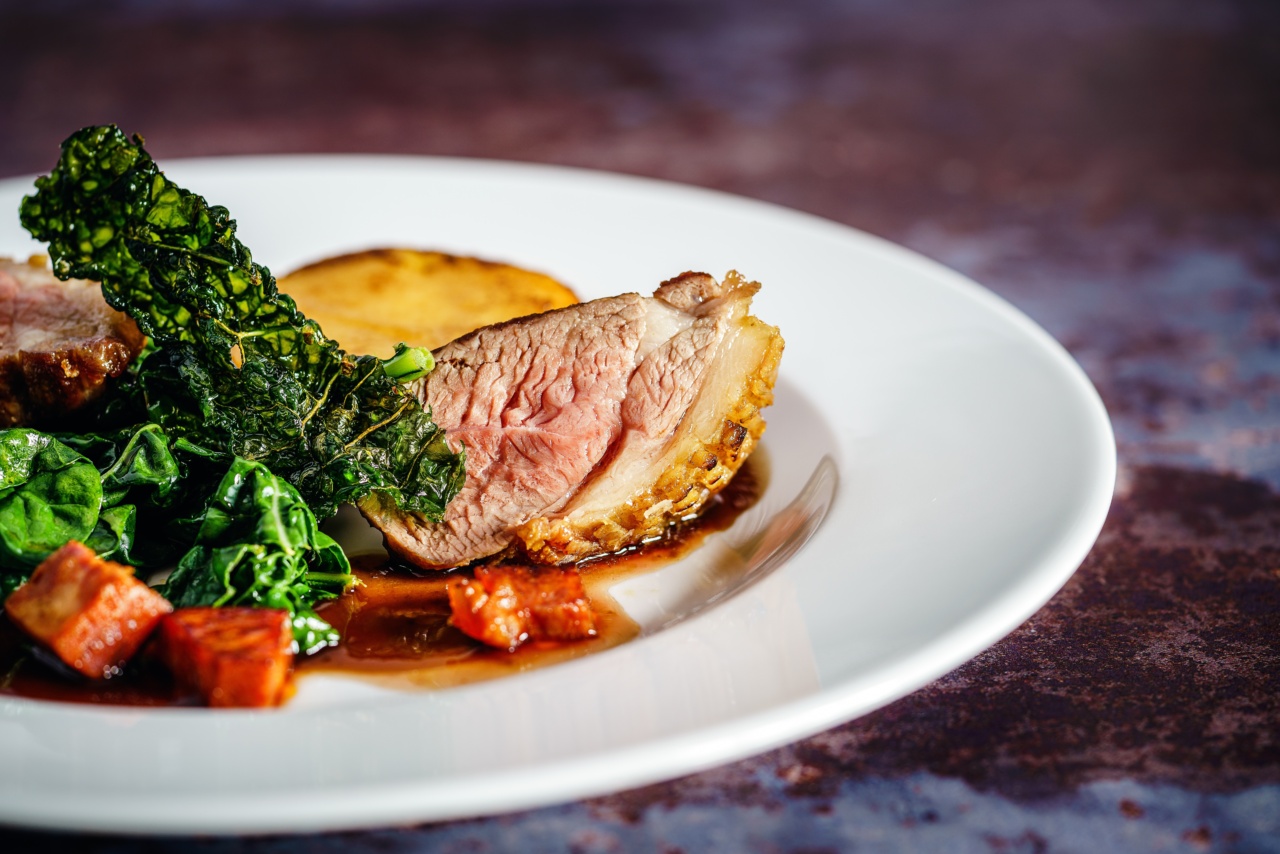
A recent study has suggested that there might be a significant link between red meat consumption and the incidence of breast cancer.
This finding sheds light on the potential risks associated with a diet rich in red meat, further emphasizing the importance of a well-balanced and healthy eating plan.
The study and its findings
The study, published in the Journal of Oncology, analyzed data from over 100,000 women aged between 33 and 55.
The participants’ dietary habits were assessed using comprehensive questionnaires, and their health status was monitored over the course of several years.
The results of the study indicated that women who consumed higher amounts of red meat had a significantly increased risk of developing breast cancer compared to those who consumed less or avoided red meat altogether.
The link remained even after accounting for other factors such as age, family history of breast cancer, and lifestyle choices.
Possible mechanisms behind the link
While this study cannot establish causation, it does provide insight into potential mechanisms that might explain the observed link between red meat consumption and breast cancer incidence.
One theory suggests that the consumption of red meat, particularly processed forms such as sausages and bacon, can lead to an increased intake of harmful substances.
These substances include heterocyclic amines, polycyclic aromatic hydrocarbons, and advanced glycation end products. These compounds have been associated with oxidative stress, DNA damage, and inflammation – all of which are known to play a role in the development of cancer.
Additionally, red meat is often high in saturated fats, which have been linked to an increased risk of breast cancer. Saturated fats can elevate circulating levels of estrogen, a hormone that can fuel the growth of certain types of breast cancer cells.
Other studies and controversies
It is important to note that while this study presents compelling evidence, it is not the only research exploring the link between red meat consumption and breast cancer.
Related Article
New research suggests red meat may increase breast cancer risk

Other studies have produced varying results, with some finding no significant association.
This discrepancy can be attributed to several factors, including the diversity of study populations, variations in dietary assessment methods, and the inclusion or exclusion of important confounding variables.
It is also worth mentioning that not all types of red meat may pose the same level of risk. For instance, lean cuts of beef or lamb might have a different impact on breast cancer risk compared to processed meats like hot dogs or deli meats.
Recommendations and implications
Given the potential risks associated with red meat consumption, it is prudent to consider moderation and diversity in dietary choices to maintain optimal health.
A well-balanced diet should prioritize plant-based sources of protein such as legumes, tofu, or tempeh while limiting the consumption of red and processed meats.
The American Cancer Society recommends that individuals should consume no more than 18 ounces (cooked weight) of red meat per week and avoid processed meats altogether.
Furthermore, opting for lean cuts of red meat, trimming visible fat, and using healthier cooking methods like grilling or baking can help mitigate some of the potential risks associated with red meat consumption.
It is crucial to acknowledge that diet alone cannot entirely prevent or cause breast cancer.
However, maintaining a healthy lifestyle, including regular exercise, limiting alcohol consumption, and maintaining a healthy weight, alongside a balanced diet, can play a significant role in reducing the risk of breast cancer.
Conclusion
While the link between red meat consumption and breast cancer remains a topic of ongoing research and debate, this recent study suggests a potential association that should not be overlooked.
It emphasizes the need for individuals to make conscious dietary choices that reduce their consumption of red and processed meats while focusing on a well-rounded, plant-based eating plan.


