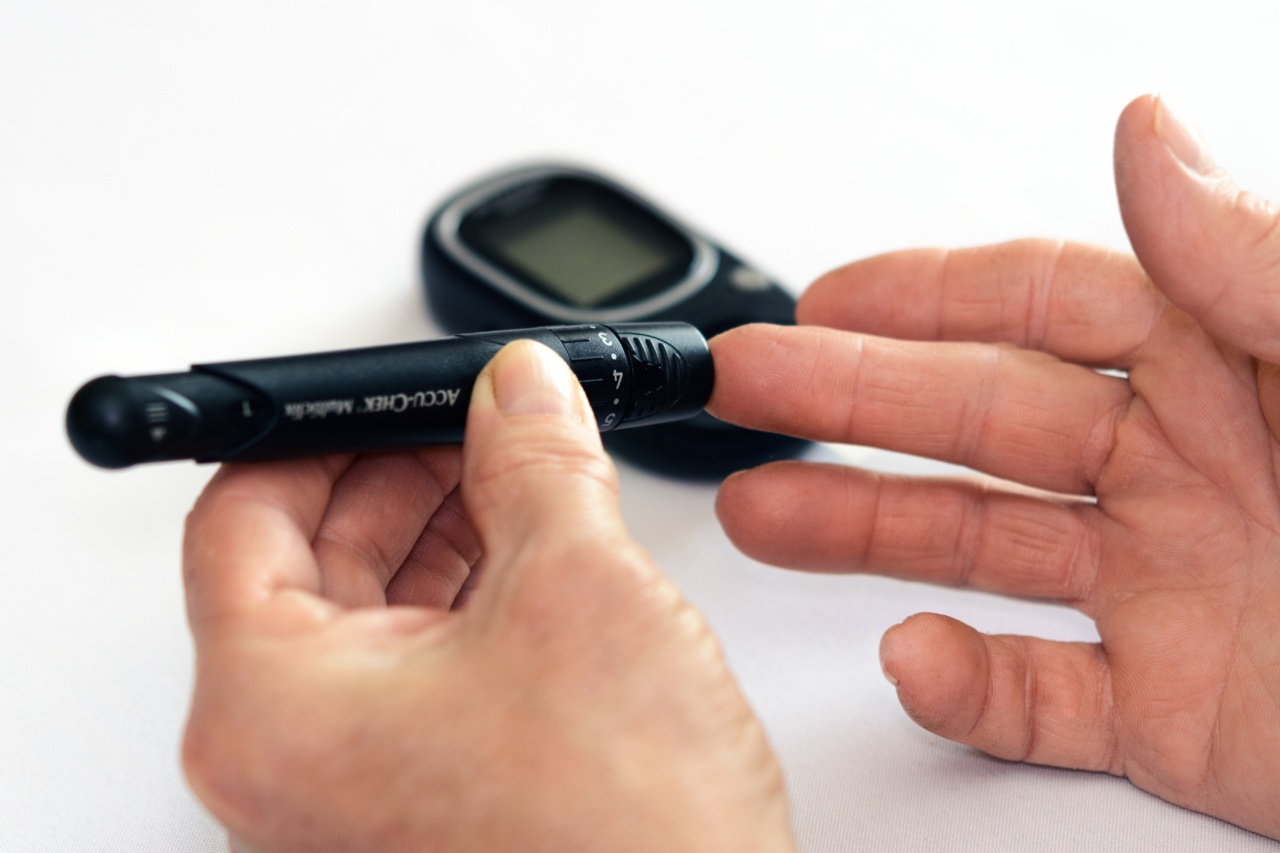
Diabetes is a chronic disease that affects the way the body processes blood sugar. The condition can lead to several complications, one of which is diabetic retinopathy, a disorder that causes vision loss and blindness.
Science has made significant strides in the understanding of diabetes and blindness. Through research, scientists have discovered ways to prevent and treat these conditions.
Diabetes and Blindness
Diabetic retinopathy is a leading cause of blindness in adults. People with diabetes are at higher risk of developing this condition than those without diabetes.
The disease is caused by high levels of glucose in the blood, which damage the small blood vessels in the retina. As a result, the vessels leak fluid and blood, leading to vision loss and blindness.
Prevention
The best way to prevent diabetic retinopathy is to manage blood sugar levels. Keeping glucose levels within a healthy range can prevent damage to the retina. It is also important to maintain healthy blood pressure and cholesterol levels.
Regular eye exams can also help detect the early signs of diabetic retinopathy.
Treatment
Treatment for diabetic retinopathy depends on the severity of the condition. In the early stages, monitoring blood glucose levels and controlling blood pressure can slow the progression of the disease.
More advanced cases may require laser surgery to stop the leakage of blood and fluid and improve vision. In some cases, medications may be prescribed to reduce inflammation and prevent new blood vessel growth.
Related Article
New Discoveries in Diabetes-Related Blindness Alter Understanding

New Research
Scientists continue to study the link between diabetes and blindness. Recent research has explored the role of inflammation and oxidative stress in the development of diabetic retinopathy.
These studies have identified several pathways that could be targeted to prevent or treat the disease. For example, a study published in Diabetes Care found that a diet high in omega-3 fatty acids could reduce the risk of diabetic retinopathy by up to 48 percent.
Another study published in Scientific Reports identified a potential therapeutic target for preventing the progression of the disease.
Artificial Intelligence
Advances in artificial intelligence are also improving the diagnosis and treatment of diabetic retinopathy. Researchers are developing AI algorithms that can analyze retinal images to detect the early signs of the disease.
These algorithms use machine learning to identify patterns and predict the progression of the disease. This technology is particularly useful in underserved communities where access to ophthalmologists and other eye care specialists is limited.
Conclusion
Diabetes and blindness are serious conditions that can have a significant impact on quality of life. However, science has made great strides in understanding the causes and developing effective treatments for these conditions.
By managing blood sugar levels and other risk factors, individuals with diabetes can reduce their risk of developing diabetic retinopathy. New research and advances in technology offer even more hope for the prevention and treatment of this debilitating disease.


