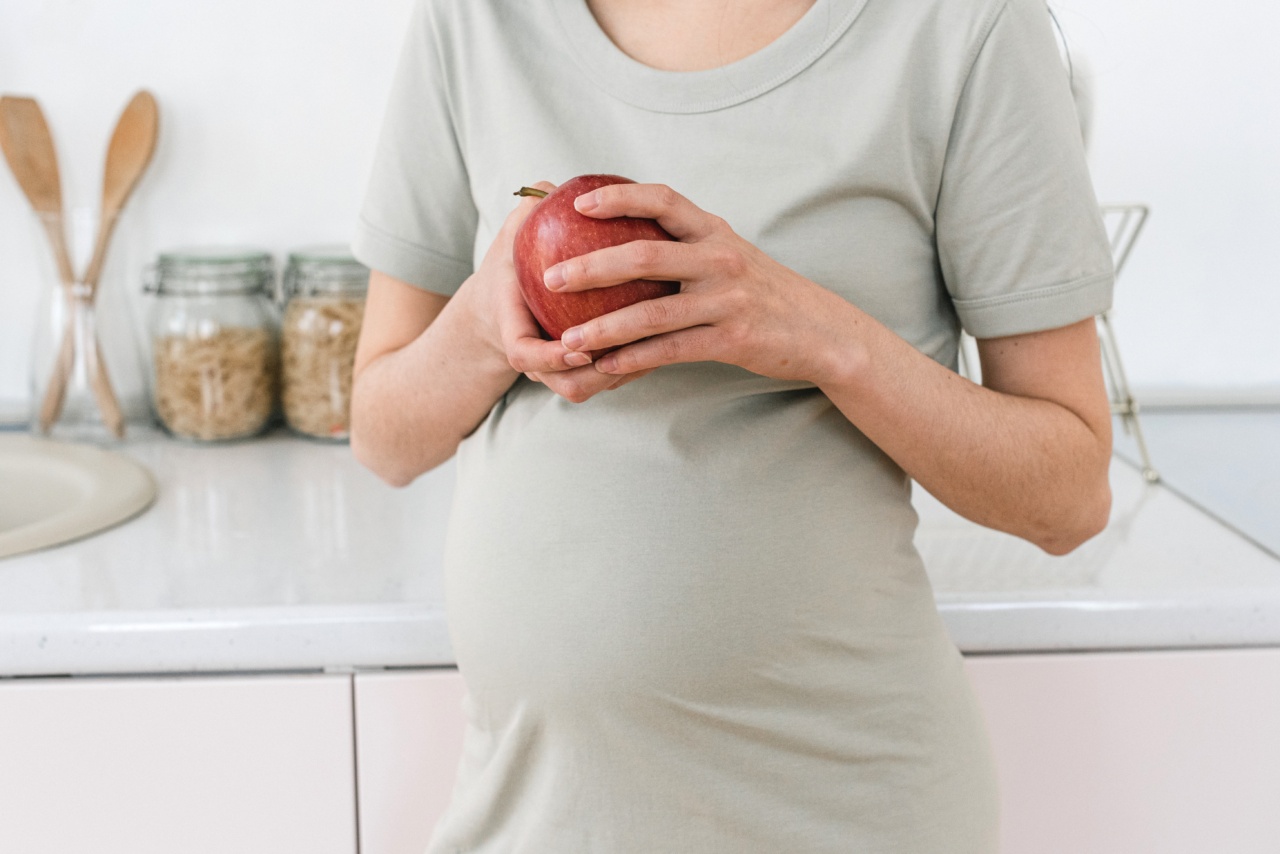
Pregnancy is a time when women need to pay special attention to their food choices. The nutrition during pregnancy should be well-balanced, nutrient-dense and adequate to maintain the health of both mother and child.
Consuming the right foods can also help to reduce the risk of birth defects, preterm delivery, low birth weight and other complications. In this article, we’ll cover the essential nutrients needed for a healthy pregnancy and the foods that are rich in them.
Protein
Protein is critical for the growth and development of the fetus. Pregnant women should consume at least 70 grams of protein per day. Protein-rich foods include lean meat, poultry, fish, eggs, beans, lentils, nuts, seeds and tofu.
It’s important to choose lean protein sources to avoid excess saturated fat and cholesterol. Pregnant women who follow a vegetarian or vegan diet should consume a variety of plant-based proteins and consider supplementation if necessary.
Calcium
Calcium is essential for the development of the fetus’s bones and teeth. The recommended daily intake of calcium for pregnant women is 1000-1300 mg. Dairy products such as milk, cheese, and yogurt are excellent sources of calcium.
Other sources include leafy greens, such as kale and spinach, tofu, nuts, seeds, and fortified plant-based milk and juice. Calcium supplements may also be necessary for women who aren’t meeting their daily requirements through food alone.
Iron
Iron is crucial for the production of hemoglobin, which carries oxygen in the blood. The recommended daily intake of iron for pregnant women is 27 mg.
Foods that are excellent sources of iron include red meat, poultry, fish, beans, lentils, spinach, tofu, and fortified cereals. Vitamin C can help the body absorb iron more efficiently, so pregnant women should try to consume iron-rich foods with vitamin C-rich foods, such as citrus fruits, bell peppers, and tomatoes.
Iron supplements may also be necessary if a woman is not meeting her daily requirements through food alone.
Folic Acid
Folic acid is a critical nutrient for preventing birth defects of the brain and spine. The recommended daily intake of folic acid for pregnant women is 600-800 mcg.
Good sources of folic acid include leafy greens, citrus fruits, beans, nuts, seeds, fortified cereals, and bread. Additionally, it’s essential to take a folic acid supplement before and during the early stages of pregnancy. Most prenatal vitamins contain the necessary amount of folic acid for pregnant women.
Related Article
What to Eat During Pregnancy for Optimal Health

Vitamin D
Vitamin D is needed for the absorption of calcium and the development of the fetus’s bones and teeth. The recommended daily intake of vitamin D for pregnant women is 600-800 IU.
Foods that are rich in vitamin D include fatty fish, egg yolks, and fortified foods, such as milk and some cereals. Sunlight exposure also helps the body produce vitamin D. However, it’s recommended that pregnant women limit their exposure to direct sunlight due to the risk of skin damage and skin cancer.
Omega-3 Fatty Acids
Omega-3 fatty acids are essential for the development of the fetal brain and eyes. Pregnant women should consume at least 200-300 mg of omega-3 fatty acids per day.
The best food sources of omega-3 fatty acids include fatty fish, such as salmon and sardines, chia seeds, flaxseeds, and walnuts. Omega-3 supplements, such as fish oil, are also an option for pregnant women who don’t consume enough through their diet alone. Pregnant women should check with their healthcare provider before taking any supplements.
Water
Drinking enough water is essential for pregnant women to stay hydrated and support the proper functioning of their bodies. A pregnant woman should aim to drink at least eight to ten cups of water per day.
Drinking water can also help relieve constipation, prevent urinary tract infections, and reduce the risk of preterm labor. It’s essential to avoid sugary drinks and caffeine as much as possible, as they can lead to dehydration and harm the fetus.
What to Avoid
In addition to consuming the right foods, pregnant women should avoid certain foods that can harm the fetus or cause complications.
These include raw or undercooked meats, eggs, and fish, unpasteurized dairy products, caffeine, alcohol, processed foods, and foods with high levels of mercury, such as certain types of fish.
Conclusion
A well-balanced and nutrient-dense diet is essential for the health of both the pregnant woman and her fetus.
Consuming adequate amounts of protein, calcium, iron, folic acid, vitamin D, omega-3 fatty acids, and water can help prevent complications and ensure a healthy pregnancy. It’s also important to avoid harmful foods and substances. By following a healthy diet and working with their healthcare provider, pregnant women can ensure the best possible outcome for themselves and their babies.


