Snoring is a common phenomenon that affects millions of people worldwide. It is characterized by noisy breathing during sleep due to the vibrations of the uvula and soft palate.
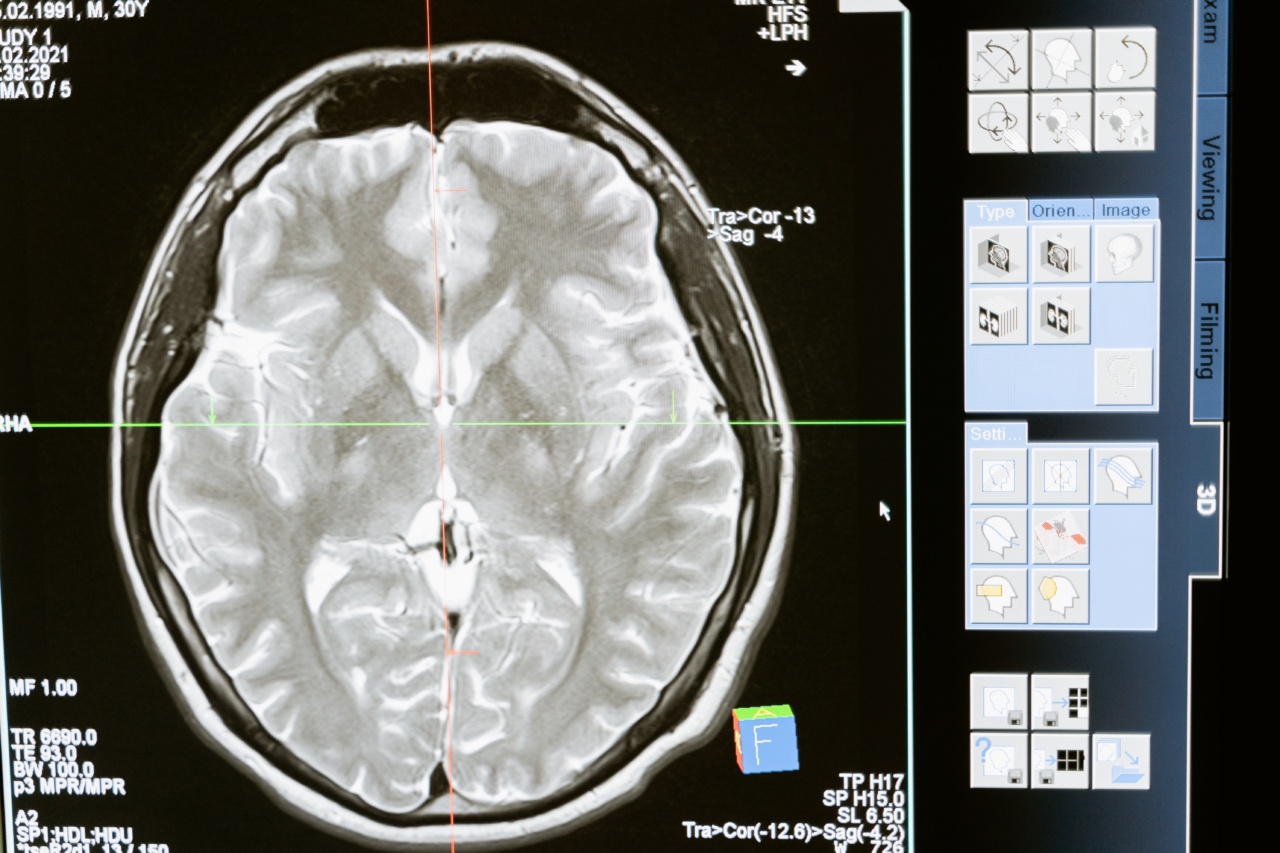
While snoring is often dismissed as a harmless annoyance, researchers have recently discovered a possible link between snoring and brain health. This article will delve into the relationship between snoring and its impact on the brain.
The Mechanics of Snoring
Before we explore the connection between snoring and brain health, let’s first understand how snoring occurs. Snoring typically happens when airflow through the mouth and nose is partially blocked during sleep.
When the airway is obstructed, the surrounding tissues vibrate, producing the snoring sound. There can be various reasons behind this obstruction, including anatomical features, excessive throat relaxation, nasal congestion, or obesity.
The Importance of Quality Sleep
Adequate and uninterrupted sleep is crucial for maintaining overall well-being. During sleep, our bodies undergo essential processes such as tissue repair, memory consolidation, and hormone regulation.
However, when snoring disrupts the quality of sleep, it can lead to a host of health problems, including daytime fatigue, decreased cognitive function, and increased risk of chronic conditions like cardiovascular disease and diabetes.
Effects of Snoring on Brain Health
Recent studies have shed light on the potential impact of chronic snoring on brain health. One notable finding is the association between snoring and cognitive decline.
Research suggests that individuals who suffer from snoring may experience accelerated cognitive decline, memory problems, and an increased risk of developing neurodegenerative disorders such as Alzheimer’s disease.
Snoring and Sleep Apnea
While snoring itself can have negative effects on the brain, it is essential to highlight the strong correlation between snoring and sleep apnea. Sleep apnea is a sleep disorder characterized by pauses in breathing or shallow breathing during sleep.
These pauses can occur hundreds of times throughout the night, leading to significant oxygen deprivation in the body and brain.
Related Article
The hidden dangers of snoring on brain function

The Link Between Sleep Apnea and Brain Health
Sleep apnea has been extensively linked to cognitive impairment and an increased risk of developing various neurological conditions. The intermittent decrease in oxygen levels during sleep can cause damage to brain cells and impair cognitive function.
Additionally, the fragmented sleep caused by sleep apnea prevents the brain from entering crucial restorative sleep stages, further impacting brain health.
Snoring, Sleep Apnea, and Stroke
One of the most concerning consequences of snoring and sleep apnea on brain health is their association with an increased risk of stroke.
Research has revealed that individuals with untreated sleep apnea have a higher likelihood of experiencing both ischemic and hemorrhagic strokes. The decreased oxygen supply to the brain and the strain on cardiovascular health due to sleep apnea contribute to this elevated stroke risk.
Addressing Snoring for Better Brain Health
Recognizing the potential impact that snoring and sleep apnea can have on brain health, it is crucial to address these issues promptly. Seeking medical evaluation and diagnosis is the first step towards understanding the underlying causes of snoring.
Treatment options may include lifestyle changes, such as weight loss, avoidance of alcohol and sedatives, or positional therapy. In more severe cases, continuous positive airway pressure (CPAP) machines or oral appliances may be recommended to alleviate snoring and sleep apnea.
The Role of Healthy Lifestyle Habits
In addition to medical interventions, adopting a healthy lifestyle can play a significant role in reducing snoring and improving brain health.
Regular exercise, maintaining a healthy weight, avoiding smoking, and practicing good sleep hygiene can all contribute to better sleep quality and overall brain function.
Conclusion
Snoring, often considered a mere nocturnal nuisance, can have far-reaching effects on brain health and cognitive function.
The association between snoring, sleep apnea, and detrimental impacts on the brain underscores the importance of addressing these issues. Seeking timely medical assistance and adopting a healthy lifestyle can significantly contribute to reducing snoring, improving sleep quality, and safeguarding brain health.


