Have you ever wondered why some people are morning birds while others are night owls? Or why some individuals need only a few hours of sleep each night, while others can’t function without a solid eight hours? The answer may lie in your sleep animal type. Just like animals in nature, humans can be classified into different sleep patterns, each with its own characteristics and traits.
In this article, we will explore four common sleep animals: the dolphin, lion, bear, and wolf, and help you determine which one best describes your sleep habits and preferences.
The Dolphin
If you find it difficult to fall asleep or often wake up during the night, you might identify as a sleep dolphin. Dolphins are known for their light and fragmented sleep patterns, spending more time in the shallower stages of sleep.
They are often light sleepers and easily disturbed by noises or changes in their environment. If you’re a dolphin sleeper, you may feel more energetic during the night and struggle to wake up in the mornings.
The Lion
Lions are the kings and queens of deep and restorative sleep. They need a solid block of 7-8 hours of sleep each night to function optimally. Lion sleepers tend to be early risers, waking up with the sun and feeling their best in the morning.
They are alert, focused, and productive during the first half of the day but may experience a drop in energy levels in the afternoon.
The Bear
If you’re someone who enjoys a consistent sleep schedule, going to bed and waking up at the same time each day, you likely have the sleep habits of a bear. Bears are adaptable sleepers and can adjust their sleep patterns to suit their needs.
They generally require 7-8 hours of sleep but can handle slight variations without significant consequences. Bear sleepers tend to have a balanced energy level throughout the day, with no major slumps or spikes.
The Wolf
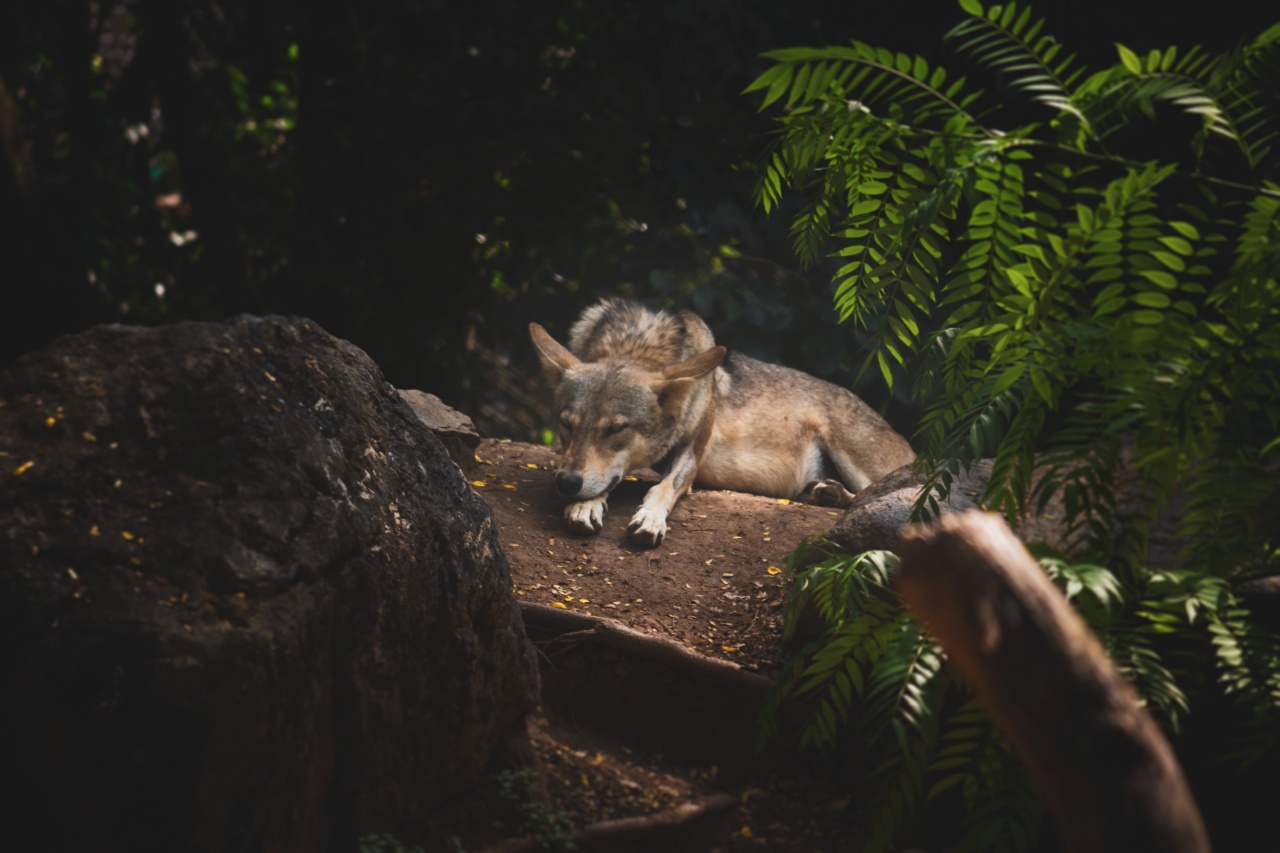
Wolves are the night owls of the sleep animal kingdom. They have a natural preference for staying up late and struggle with the early morning hours.
Wolves often find it challenging to fall asleep at night and may require a few hours of winding down before bed. However, once they’re asleep, they can sleep deeply and require a good amount of rest. Wolf sleepers tend to have their peak energy levels during the late afternoon and evening.
Finding Your Sleep Animal
Now that you have a basic understanding of the different sleep animals, you’re probably curious to know which one best represents your sleep habits. Here’s a simple quiz to help you determine your sleep animal type:.
1. At what time do you usually go to bed?.
- a) Before 10 PM
- b) Around 10 PM – 11 PM
- c) Around 11 PM – 12 AM
- d) After 12 AM
2. How long does it typically take you to fall asleep?.
- a) Less than 15 minutes
- b) Around 15-30 minutes
- c) Around 30-45 minutes
- d) More than 45 minutes
3. Do you wake up during the night and have trouble falling back asleep?.
- a) Rarely
- b) Occasionally
- c) Often
- d) Almost every night
4. How do you feel in the morning?.
- a) Energized and alert
- b) A bit groggy, but it improves quickly
- c) Tired, takes a while to fully wake up
- d) Exhausted and struggle to get out of bed
5. What is your energy level like during the late afternoon?.
- a) Still going strong
- b) Slightly tired, but fine with some coffee/tea
- c) Noticeably tired, tempted to nap
- d) Burst of energy, ready to conquer the world!
Now, let’s calculate your results. Assign the following points to each answer:.
- a) Dolphin: 3 points
- b) Lion: 2 points
- c) Bear: 1 point
- d) Wolf: 4 points
Once you have assigned points to your answers, add them up and see which sleep animal you are most like based on the total score:.
- 8-12 points: Dolphin
- 5-7 points: Lion
- 4 points: Bear
- 13-16 points: Wolf
Sleep Optimization for Your Sleep Animal
Now that you have discovered your sleep animal type, it’s time to tailor your sleep habits to optimize your rest. Here are some tips for each sleep animal:.
Related Article
What’s Your Sleep Animal: Dolphin, Lion, Bear, or Wolf?

For Dolphins:
– Create a sleep-friendly environment with minimal noise and distractions.
– Establish a consistent bedtime routine to signal your body that it’s time to sleep.
– Consider using earplugs or a white noise machine to drown out external noises.
– Avoid caffeine and stimulating activities close to bedtime.
For Lions:
– Maintain a regular sleep schedule, even on weekends.
– Make your bedroom as dark and quiet as possible to promote deep sleep.
– Avoid exposure to bright screens (phones, tablets, computers) in the evening.
– Experiment with a morning exercise routine to boost energy and alertness.
For Bears:
– Stick to consistent sleep and wake times to reinforce your body’s natural rhythm.
– Create a relaxing bedtime routine to signal your body that it’s time to wind down.
– Ensure your sleep environment is cool, comfortable, and free from distractions.
– Limit caffeine intake, especially in the afternoon and evening.
For Wolves:
– Embrace your natural inclination for late nights but try to establish a regular sleep schedule.
– Engage in a wind-down routine before bed to help your mind and body relax.
– Use blackout curtains or an eye mask to block out early morning light.
– Avoid stimulating activities and bright screens close to bedtime.
Conclusion
Understanding your sleep animal type can help you create a sleep routine that aligns with your natural sleep patterns and optimizes your rest. Keep in mind that these classifications are not rigid and that individual sleep needs can vary.
Experiment with different strategies and listen to your body’s cues to find what works best for you. By embracing your sleep animal tendencies and prioritizing healthy sleep habits, you can improve the quality and quantity of your rest, leading to better overall well-being and productivity.


