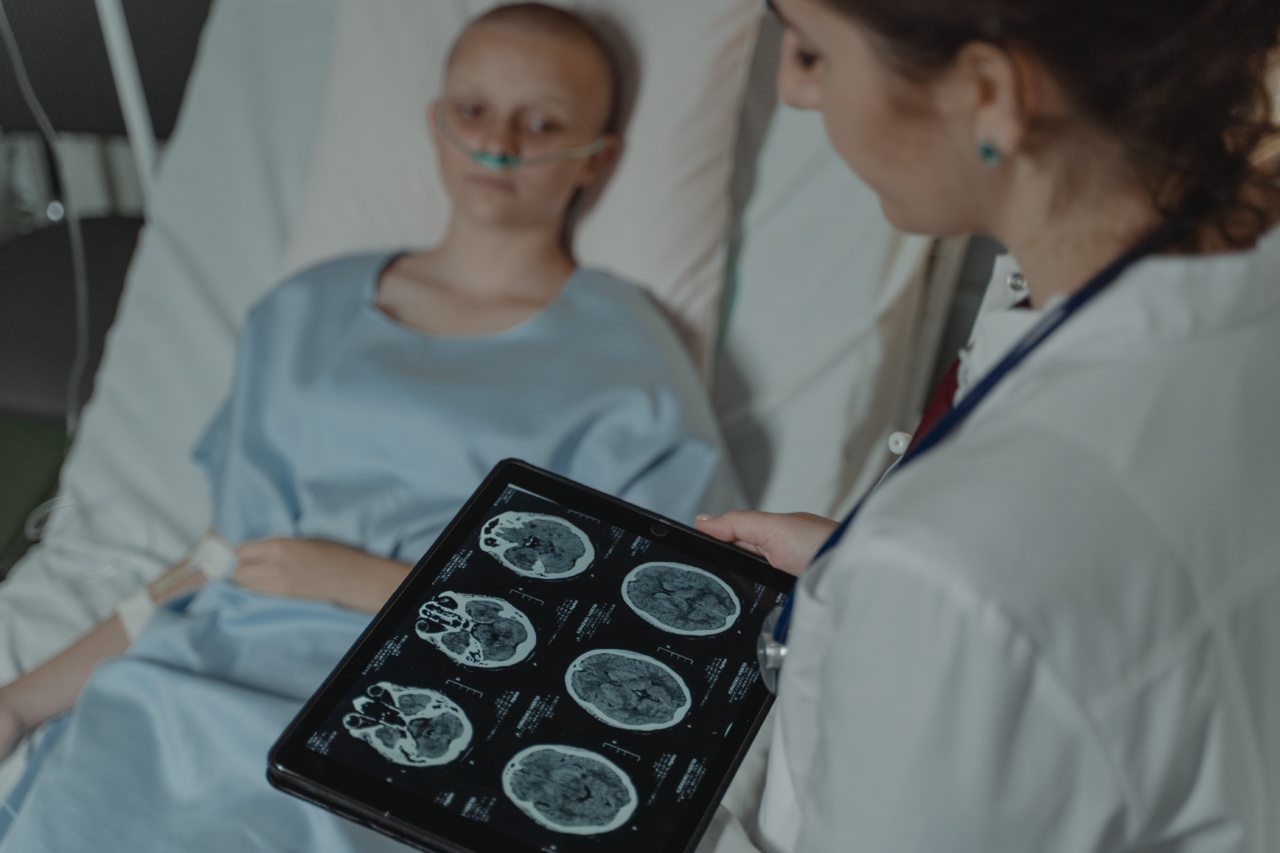
Esophageal cancer is a malignancy that occurs in the esophagus, the tube that connects the throat to the stomach. It is a serious condition that often goes undetected until advanced stages, making early detection crucial for successful treatment.
Screening individuals at high risk for esophageal cancer can help identify the disease at an early stage or even prevent it altogether. In this article, we will explore the characteristics of individuals who should be screened for esophageal cancer, along with the risk factors, symptoms, and screening methods associated with it.
1. Individuals with a history of Barrett’s esophagus
Barrett’s esophagus is a condition in which the lining of the esophagus is damaged by stomach acid, leading to changes in the cells. These changes can increase the risk of developing esophageal cancer.
Individuals diagnosed with Barrett’s esophagus should undergo regular screening to monitor any potential cancerous changes.
2. Those with a history of gastroesophageal reflux disease (GERD)
GERD is a chronic condition characterized by the backflow of stomach acid into the esophagus. Over time, this repeated exposure to acid can cause inflammation and damage to the esophageal lining, potentially leading to esophageal cancer.
Screening individuals with a long history of GERD can help detect any signs of cancer early on.
3. Individuals with a family history of esophageal cancer
Individuals who have a close relative (parent or sibling) diagnosed with esophageal cancer have an increased risk of developing the disease themselves.
In such cases, regular screening is recommended to detect any early signs of cancer and improve the chances of successful treatment.
4. Smokers and heavy alcohol consumers
Smoking tobacco and excessive alcohol consumption are strong risk factors for many types of cancer including esophageal cancer. Both smoking and alcohol can irritate the cells of the esophagus, leading to DNA damage and an increased risk of cancer.
Screening individuals who are smokers or have a history of heavy alcohol use can aid in the early detection of esophageal cancer.
5. Those with a history of head and neck cancer
Head and neck cancer, particularly cancer of the throat or larynx, can increase the risk of developing esophageal cancer.
Individuals with a history of head and neck cancer should undergo regular screening to detect any signs of esophageal cancer early on.
Related Article
What are the risk factors for esophageal cancer?

6. Obese individuals
Obesity is a known risk factor for various types of cancer, including esophageal cancer.
Excess body weight can lead to chronic inflammation, hormonal imbalance, and increased insulin levels, all of which contribute to the development of cancerous cells. Regular screening is recommended for individuals who are obese to detect any potential signs of esophageal cancer.
7. Those with a history of radiation therapy to the chest
Radiation therapy to the chest, particularly for the treatment of other cancers like lung cancer or lymphoma, increases the risk of developing esophageal cancer.
Individuals with a history of radiation therapy to the chest should undergo regular screening to monitor any potential cancerous changes in the esophagus.
8. Elderly individuals
Esophageal cancer is more common in older individuals, with the risk increasing significantly after the age of 55.
Regular screening is especially important for elderly individuals to detect any signs of esophageal cancer early on and improve treatment outcomes.
9. Individuals with persistent and unexplained symptoms
Unexplained symptoms such as persistent difficulty swallowing, chest pain, unintentional weight loss, chronic cough, or hoarseness could be potential signs of esophageal cancer.
Individuals experiencing these symptoms should consult a healthcare professional who may recommend screening for esophageal cancer.
10. People from high-risk regions
Certain geographical regions have a higher incidence of esophageal cancer due to various environmental and lifestyle factors.
For example, residents of areas with high rates of smoking, alcohol consumption, nutritional deficiencies, or exposure to specific carcinogens may have an increased risk. Individuals from these high-risk regions should consider regular screening to detect esophageal cancer early on.
In conclusion, early detection plays a vital role in successfully treating esophageal cancer.
Screening individuals at high risk for developing the disease can facilitate the identification of early-stage cancers or precancerous conditions, ultimately leading to better treatment outcomes. If you fall into any of the categories mentioned above, make sure to consult your healthcare provider regarding the appropriate screening options and frequency for esophageal cancer.


