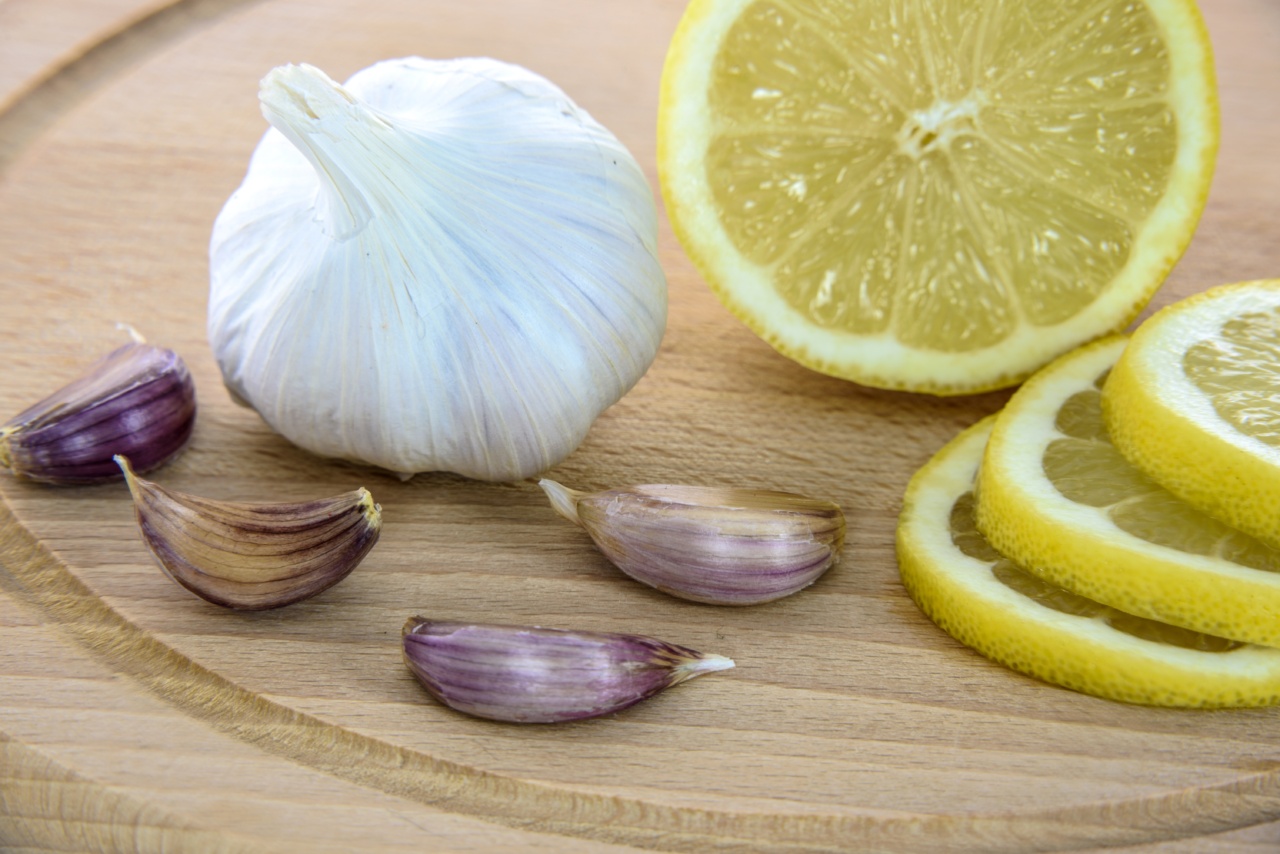
Garlic has long been known for its medicinal properties and it has been used for centuries to treat a variety of ailments. It is a natural antibiotic that can help fight off a wide range of bacteria, viruses and fungi.
Garlic’s antibacterial properties were known to the ancient Greeks, who used it to treat infections and wounds.
How garlic works as an antibiotic
Garlic contains a compound called allicin, which is responsible for its antibacterial properties.
When garlic is crushed or chopped, enzymes in the garlic activate the allicin, which then reacts with the sulfur-containing compounds in the garlic to form a variety of active compounds. These compounds have been shown to be effective against a wide range of bacteria, including antibiotic-resistant strains such as MRSA.
Garlic’s antibacterial properties are also due to its ability to stimulate the production of white blood cells, which are part of the body’s immune system.
Garlic contains compounds such as alliin, ajoene, and thiosulfinates that enhance the activity of immune cells, making them more effective at fighting off infections.
Benefits of using garlic as an antibiotic
Garlic is a natural and safe antibiotic that has many benefits over conventional antibiotics. Unlike conventional antibiotics, garlic does not have any side effects, and does not contribute to the development of antibiotic-resistant strains of bacteria.
Additionally, garlic has a broad spectrum of activity, meaning it can be effective against a wide range of bacteria and viruses.
Garlic can also be used in combination with other natural remedies to boost its effectiveness.
For example, garlic and honey have been used together to treat coughs and colds, while garlic and ginger are often used together to treat digestive issues such as nausea and vomiting.
Related Article
Garlic: The Powerhouse of Health Benefits

How to use garlic as an antibiotic
Garlic can be used in a variety of ways to help fight infections. One of the most effective ways to use garlic as an antibiotic is to consume raw garlic. This can be done by chopping or crushing a clove of garlic and swallowing it with water.
Alternatively, garlic can be added to food, such as soups and stews, or made into a paste and spread on bread.
Garlic can also be used topically to treat infections. A garlic oil or ointment can be applied to the skin to help treat skin infections, such as athlete’s foot and ringworm.
Garlic can also be used as a steam inhalation to help relieve congestion and treat respiratory infections.
Precautions when using garlic as an antibiotic
While garlic is generally safe to use as an antibiotic, there are some precautions that should be taken. Garlic can thin the blood, so it should not be used by people who are taking blood-thinning medication.
Additionally, garlic can interact with some medications, so it is important to talk to a healthcare professional before using garlic if you are taking any medications.
Garlic should also be used with caution in people with digestive issues, as it can cause stomach upset or nausea in some people.
Finally, if you are pregnant or breastfeeding, it is best to avoid using garlic as an antibiotic, as its effects on fetal development have not been studied.
The bottom line
Garlic is a powerful natural antibiotic that can help fight off a wide range of infections. Its antibacterial properties are due to the compound allicin, which stimulates the production of white blood cells and enhances immune function.
Garlic is a safe and effective alternative to conventional antibiotics, with no side effects and a broad range of activity. However, it should be used with caution in some people, and it is important to talk to a healthcare professional before using garlic as an antibiotic.


