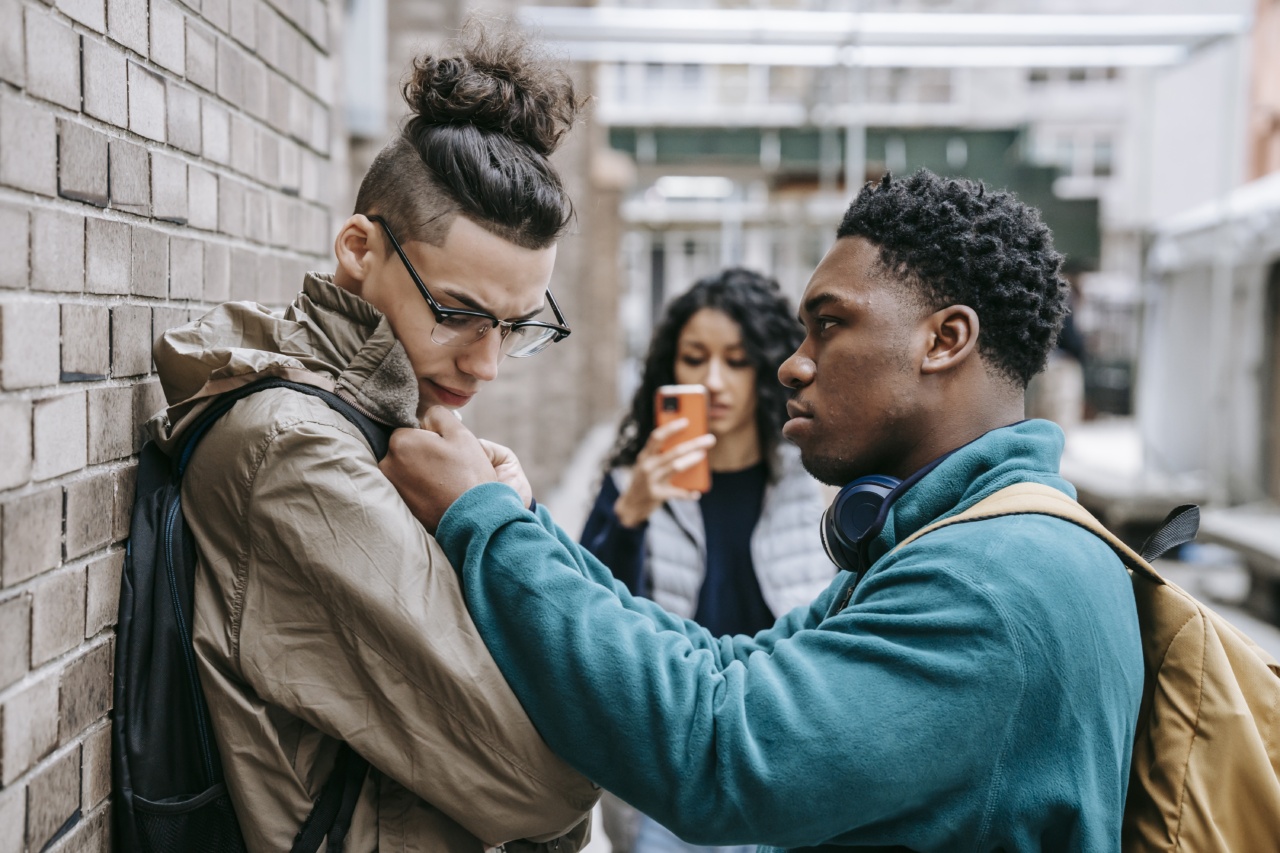
Children are often seen as innocent bystanders when it comes to conflict. However, they are more aware of what is happening around them than we may think.
Children are smart and observant, and they can often give us a unique perspective on the world around us, including conflicts.
How Children Experience Conflict
Children experience conflicts in a variety of different ways. Some children are directly affected by war, while others are indirectly affected by conflict.
For example, a child living in a war-torn country may experience the conflict first hand, while a child living in a peaceful country may only see images on the news. Regardless of their relationship to the conflict, children are impacted by it.
Children may experience fear, anxiety, and uncertainty when they are exposed to conflict. These emotions can have long-lasting effects on their mental health.
Children can also experience physical harm during conflicts, such as injuries caused by bombs or bullets.
The Importance of Capturing Children’s Perspectives
Capturing the perspectives of children during conflicts is important because it helps us to understand the full impact of the conflict. Children often have a unique view of the world, and they can provide valuable insight into the situation.
Children can help us to understand how conflict is affecting their communities, families, and themselves.
Photography is one way to capture the perspectives of children during conflicts. Photographs can tell a powerful story and convey emotions that words cannot.
Photographs can capture not only the damage caused by conflict but also the resilience of people in the face of adversity.
Related Article
Young voices in the midst of war (photos)

Examples of Children’s Perspectives on Conflict
There are many examples of children’s perspectives on conflict. One such example is the work of photographer Reza Deghati.
Reza has traveled extensively throughout war-torn countries, and he has photographed children who are living in these conditions. His photographs show the impact of war on children’s lives, and they provide insight into how these children are coping with the trauma they have experienced.
Another example is the work of the Children of Syria project. This project was started by a group of Syrian children who wanted to share their perspective on the conflict in their country.
They created a blog and used social media to share their stories and photographs with the world. Their work has helped to raise awareness of the impact of the war on Syrian children.
The Impact of Children’s Perspectives
The perspectives of children have the power to make a real difference in the world. By sharing their experiences and perspectives, children can raise awareness of the impact of conflict on their lives.
They can also inspire people to take action to help those affected by conflict.
For example, the Children of Syria project has inspired people around the world to support programs that help Syrian children. Their work has helped to raise funds for organizations that provide food, shelter, and education to Syrian children.
By sharing their perspectives, these children have helped to make a real difference in the lives of others.
Conclusion
Children’s perspectives on conflict are valuable and important. By capturing their perspectives, we can gain a better understanding of the impact of conflict on their lives.
Photography is one way to capture children’s perspectives, but there are many other ways to do so. Regardless of the method used, it is essential that we listen to children and take their perspectives into account when dealing with conflicts.


