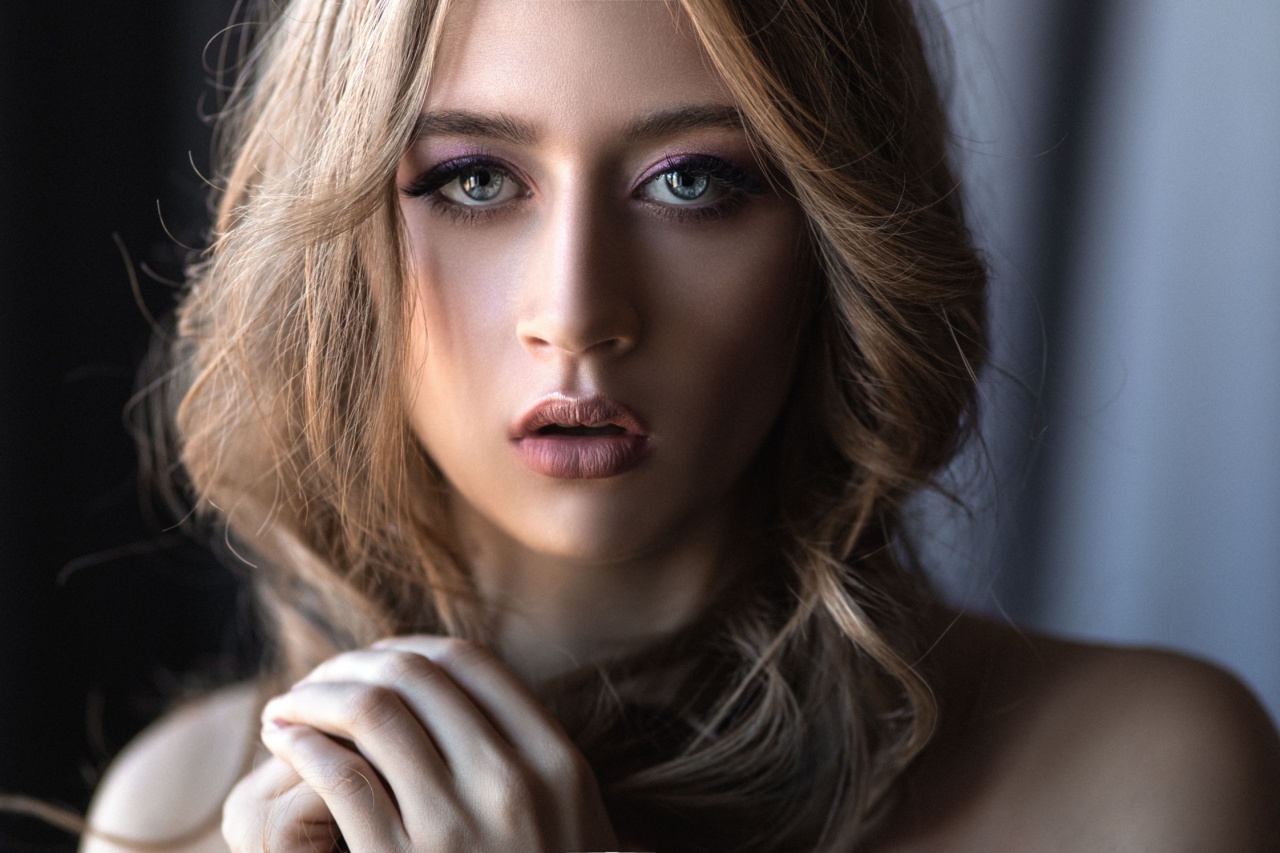
Women are regularly under pressure to maintain a flawless self-image. Society sets high expectations for women about their appearance, their bodies, and their gender role.
Women are regularly told they need to be thinner, lighter-skinned, and more conventionally attractive to be desired, validated, or taken seriously. Striving for perfection can cause immense psychological strain, leading to anxiety, depression, eating disorders, and other mental health issues.
In this article, we will explore why women are pressurized to maintain a perfect self-image and the consequences it has on individuals and society.
Media and Entertainment
The media and entertainment industry have played a significant role in shaping beauty standards in our society. Women are bombarded with images of idealized beauty every day in various media such as advertisements, magazine covers, and social media.
The media has created an unrealistic expectation of how women’s bodies should look and what is considered attractive. From thin waistlines to flawless skin and large breasts, the messaging is that women must conform to these standards to be accepted and desirable.
Moreover, the media often portrays women as objects of desire for men, reinforcing the notion that their worth is based on their physical appearance and sexual appeal.
This puts immense pressure on women to maintain a certain look to be seen as desirable and attractive. The expectations created from these representations often lead to negative body image, low self-esteem, and in severe cases, eating disorders and other health issues.
Peer Pressure
Peer pressure is another significant factor that contributes to the pressure on women to maintain a perfect self-image. Women deal with immense judgment and criticism from peers when they do not fit the beauty standards set by society.
Women may feel pressured to meet beauty standards to seek validation and approval from their peers.
Peer pressure can also come from one’s own social circle or family members, who may insist on women complying with traditional gender roles and fitting into specific beauty standards.
Women who go against societal expectations and decide to dress, act, or look different may face ridicule or social exclusion.
Workplace Expectations
Women are also under enormous pressure to maintain a specific self-image in the workplace. The idea that appearance and presentation are essential for career advancement is prevalent.
Women are expected to dress a certain way, wear makeup, and look attractive to be taken seriously and advance their careers.
Related Article
Why do women feel the pressure to look perfect?

As a result of these expectations, women may struggle with imposter syndrome and feel anxious about their capabilities and position in the workplace.
Women who fail to comply with societal expectations of beauty may be overlooked for promotions and leadership positions, limiting their opportunities and success.
The Impact of Maintaining a Perfect Self-Image
The pressure on women to maintain a perfect self-image can have a significant impact on their mental and physical health.
Women who struggle to meet beauty standards may experience negative emotional or psychological outcomes, including low self-esteem, negative body image, anxiety, depression, eating disorders, and other mental health issues.
The impact of societal beauty standards and gender stereotypes can also lead to stress and physical health issues.
Women who experience social exclusion or bullying due to non-conformity with societal expectations are at a greater risk of developing stress and physical health issues such as migraines, sleep disorders, and hormonal imbalances.
Body Positivity and Shifting Norms
The road to changing societal beauty standards that have been in place for centuries is long. Women are beginning to acknowledge the impact of these standards and are trying to embrace body positivity.
Body positivity movement aims to challenge beauty standards and promote self-love and body acceptance. By advocating for body positivity, women are actively pushing back against traditional beauty norms and empowering each other to be comfortable in themselves and their own skin.
Several platforms, such as social media, have provided spaces where women can share their stories, experiences, and thoughts on societal beauty standards.
The visibility of different body types and ethnicities on these platforms have created space for conversations around acceptance and self-love.
Conclusion
The pressure on women to maintain a perfect self-image is an issue that has been prevalent for centuries. Women have been expected to conform to societal beauty standards set by the media, entertainment, advertisements, and traditions.
The impact of these standards can harm a woman’s physical and mental health and limit their opportunities. By advocating for body positivity, women can challenge beauty standards and promote self-love and acceptance.


