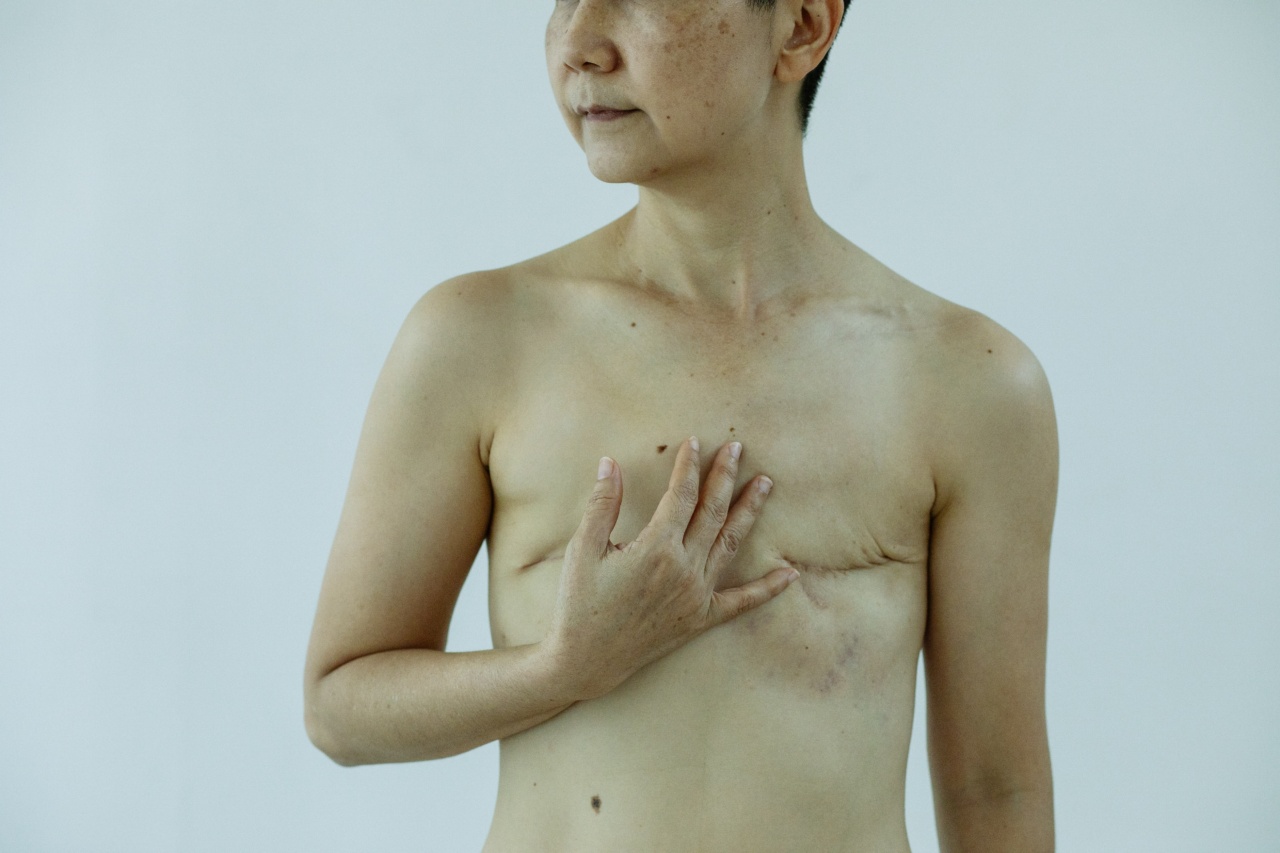
When it comes to reducing the risk of breast cancer and maintaining a healthy weight, having an effective eating regimen is crucial.
Research has shown that certain foods and dietary patterns can play a significant role in preventing and managing breast cancer while also promoting weight loss. In this article, we will explore an evidence-based eating regimen that can help reduce breast cancer risk and aid in weight management.
1. Increase Vegetable and Fruit Intake
Vegetables and fruits are rich in essential nutrients, antioxidants, and dietary fiber. These components can help reduce the risk of breast cancer by neutralizing harmful free radicals and supporting a healthy immune system.
Additionally, their high fiber content aids in weight management by promoting satiety and regulating digestion.
2. Choose Whole Grains over Refined Grains
Whole grains such as brown rice, quinoa, and whole wheat bread are superior choices compared to refined grains. They are packed with fiber, vitamins, minerals, and phytochemicals that can lower breast cancer risk.
Whole grains also have a lower glycemic index, which means they do not cause rapid spikes in blood sugar levels. This helps in maintaining a healthy weight and reducing the risk of insulin resistance.
3. Include Lean Protein Sources
Opt for lean protein sources like skinless poultry, fish, tofu, beans, and lentils. These foods are low in saturated fat and high in essential amino acids, providing the body with necessary nutrients while keeping calories in check.
Consumption of lean protein also promotes satiety and helps in building and repairing body tissues.
4. Limit Red Meat and Processed Meats
Red meat and processed meats like bacon, sausages, and hot dogs should be limited in an eating regimen aimed at reducing breast cancer risk and weight.
Studies have found a positive association between high red meat consumption and an increased risk of breast cancer. Furthermore, processed meats contain preservatives and additives that are harmful to overall health. Opt for leaner options or plant-based alternatives instead.
5. Opt for Healthy Fats
Incorporate healthy fats into your eating regimen, such as avocados, nuts, seeds, and olive oil. These fats are rich in omega-3 fatty acids and monounsaturated fats, which have been associated with a lower risk of breast cancer.
Healthy fats also provide satiety and contribute to hormone regulation, aiding in weight management.
Related Article
The perfect diet to shed weight while minimizing the risk of breast cancer

6. Reduce Added Sugars and Sweetened Beverages
Added sugars, especially those found in sugary drinks and processed snacks, can contribute to weight gain and increase the risk of breast cancer. These sugars provide empty calories and can disrupt hormone balance.
Opt for natural sweeteners like honey or choose water, herbal tea, or unsweetened beverages instead.
7. Include Cruciferous Vegetables
Cruciferous vegetables like broccoli, Brussels sprouts, kale, and cauliflower contain compounds called glucosinolates. These compounds have been shown to have anti-cancer properties and help regulate estrogen, thus decreasing the risk of breast cancer.
Additionally, these vegetables are low in calories and rich in nutrients, making them excellent choices for weight management.
8. Stay Hydrated
Hydration is essential for overall health and maintaining a healthy weight. Drinking an adequate amount of water can help flush out toxins, support digestion, and regulate appetite.
Aim to drink at least eight cups of water per day and limit the consumption of sugary beverages and alcohol.
9. Practice Portion Control
Controlling portion sizes is essential for weight management. Be mindful of your serving sizes and avoid consuming oversized portions. Use smaller plates and bowls to create an illusion of a fuller plate.
Allow yourself to savor the flavors of your food and pay attention to your body’s hunger and fullness cues.
10. Avoid or Limit Alcohol Consumption
Research has shown a clear link between alcohol consumption and an increased risk of breast cancer. If you choose to drink alcohol, it is recommended to limit your intake to one drink per day for women.
Avoiding alcohol altogether is the best option to further reduce the risk.
Conclusion
By following an effective eating regimen that includes increasing vegetable and fruit intake, choosing whole grains, lean proteins, and healthy fats, limiting red meat and processed meats, reducing added sugars, including cruciferous vegetables, staying hydrated, practicing portion control, and avoiding or limiting alcohol consumption, you can significantly reduce your risk of breast cancer and maintain a healthy weight. Remember, consistency and moderation are key to achieving optimal health.


