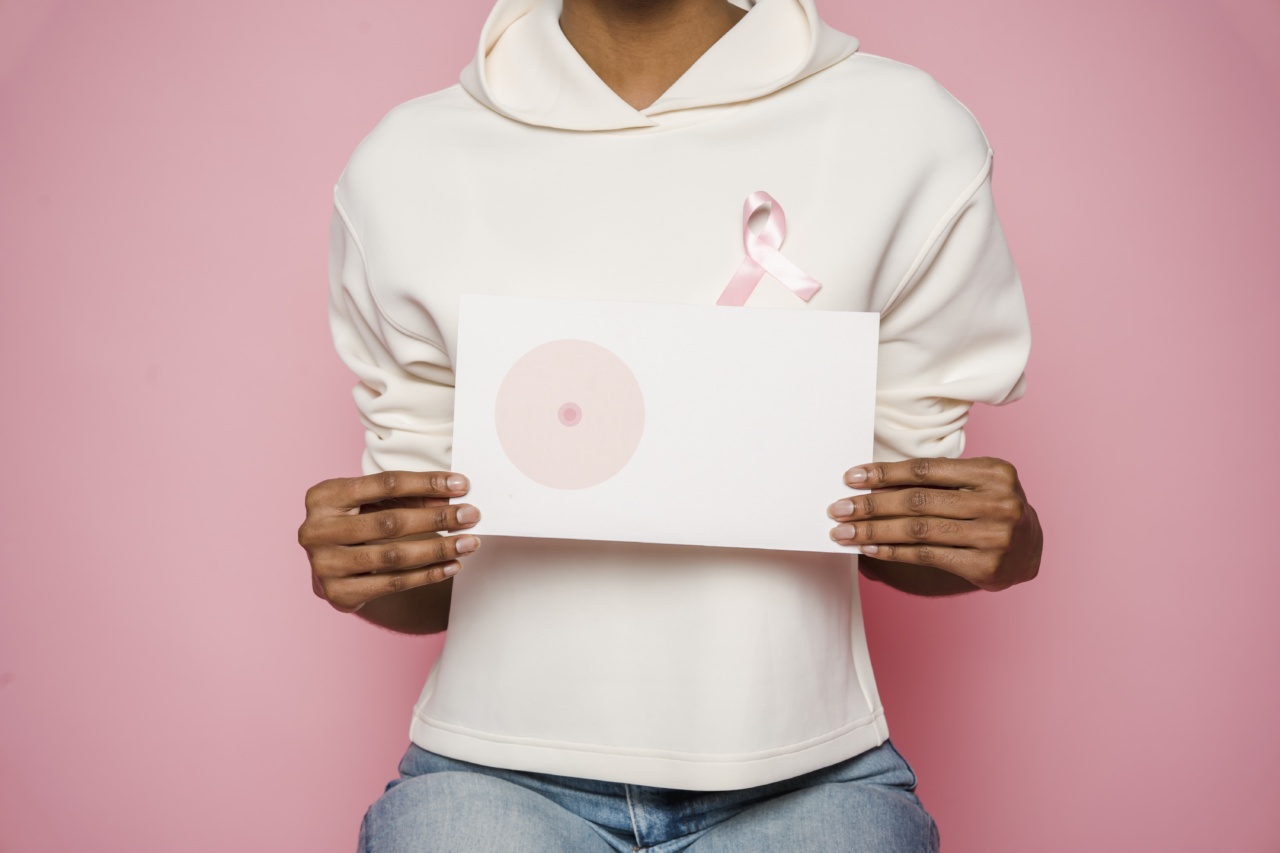
Breast cancer is the most common type of cancer affecting women globally. While there is no guaranteed way to prevent breast cancer completely, there are some dietary habits that can help reduce the risk of developing the disease.
In this article, we’ll go over some dietary habits you can adopt to help prevent breast cancer.
1. Eat a Diet Rich in Vegetables and Fruits
Eating a diet that’s rich in vegetables and fruits is important for your overall health.
Numerous studies have shown that consuming a diet that’s rich in fruits and vegetables can help lower the risk of developing different types of cancers, including breast cancer.
It’s recommended that you consume at least five servings of vegetables and fruits daily. Some examples of fruits and vegetables that are rich in antioxidants include blueberries, strawberries, broccoli, and spinach.
These antioxidants help remove free radicals from the body, which can damage cells and tissues and potentially lead to cancer.
2. Include Whole Grains in Your Diet
Whole grains are an important source of fiber and other nutrients that can help reduce the risk of developing breast cancer. It’s recommended that you consume at least three servings of whole grains daily.
Some examples of whole grains include quinoa, oats, brown rice, and whole-wheat bread.
3. Avoid Processed, Sugary Foods
Eating a diet that’s high in processed and sugary foods can increase your risk of developing breast cancer. Processed foods contain high amounts of salt, preservatives, and other chemicals that can be harmful to your health.
Sugary foods are high in calories and can lead to weight gain, which is a major risk factor for breast cancer.
Instead of consuming processed and sugary foods, consider incorporating healthier options into your diet. For example, you can snack on fruits, nuts, and seeds instead of sugary treats.
You can also prepare meals at home using fresh ingredients to avoid processed food.
4. Consume Less Alcohol
Studies have shown that consuming alcohol can increase your risk of developing breast cancer. The risk increases with the amount of alcohol you consume.
If you drink alcohol, it’s recommended that you do so in moderation. This means no more than one drink per day for women. It’s important to note that not drinking alcohol is the best way to reduce the risk of developing breast cancer.
5. Incorporate More Plant-Based Proteins
Incorporating more plant-based proteins into your diet can help reduce the risk of developing breast cancer. Some examples of plant-based proteins include tofu, lentils, and beans.
Related Article
Effective Diet to Lower Risk of Breast Cancer

Research has shown that consuming less red and processed meat can help reduce the risk of developing breast cancer. Instead of consuming red meat, you can incorporate more poultry, fish, and plant-based proteins into your diet.
6. Consume More Calcium and Vitamin D
Calcium and Vitamin D are important nutrients that can help prevent breast cancer. Calcium is essential for strong bones, and vitamin D helps the body absorb calcium.
You can get calcium from dairy products such as milk, cheese, and yogurt. You can also consume calcium-rich foods like spinach, kale, and almonds. Vitamin D can be found in sunlight.
You can also consume vitamin D-fortified foods such as milk, orange juice, and cereal.
7. Maintain a Healthy Weight
Being overweight or obese is a major risk factor for breast cancer. Maintaining a healthy weight by eating a healthy diet and exercising regularly can help reduce the risk of developing breast cancer.
You can maintain a healthy weight by consuming a diet that’s rich in fruits, vegetables, and whole grains. You can also incorporate regular exercise into your routine to help burn calories and maintain a healthy weight.
8. Stay Active
Being physically active can help reduce the risk of developing breast cancer. Aim to get at least 150 minutes of moderate-intensity activity per week. This can include activities like brisk walking, jogging, swimming, or cycling.
Regular exercise can help regulate hormones in the body, which can help prevent breast cancer. It can also help reduce inflammation, which can be a risk factor for breast cancer.
9. Avoid Smoking
Smoking is a major risk factor for developing breast cancer. If you smoke, consider quitting. If you don’t smoke, don’t start. Exposure to secondhand smoke can also increase the risk of developing breast cancer.
Quitting smoking is one of the best things you can do for your overall health. It can help reduce the risk of developing many different types of cancer, including breast cancer.
10. Get Regular Screening and Check-Ups
Regular screening and check-ups can help detect breast cancer early and increase the chances of successful treatment. It’s recommended that women begin getting mammograms at age 40 and continue getting them every one to two years after that.
You should also perform breast self-exams regularly. If you notice any changes in your breasts, such as lumps, nipple discharge, or skin changes, contact your doctor immediately.
Conclusion
While there’s no guaranteed way to completely prevent breast cancer, adopting these dietary habits can help reduce the risk of developing the disease.
By eating a healthy diet, maintaining a healthy weight, staying active, and avoiding smoking and alcohol, you can help protect yourself against breast cancer. By getting regular screening and check-ups, you can detect breast cancer early and increase the chances of successful treatment.


