One of the most popular health trends in recent years is going gluten-free. Gluten is a protein found in wheat, barley, and rye that can cause digestive issues for some people.
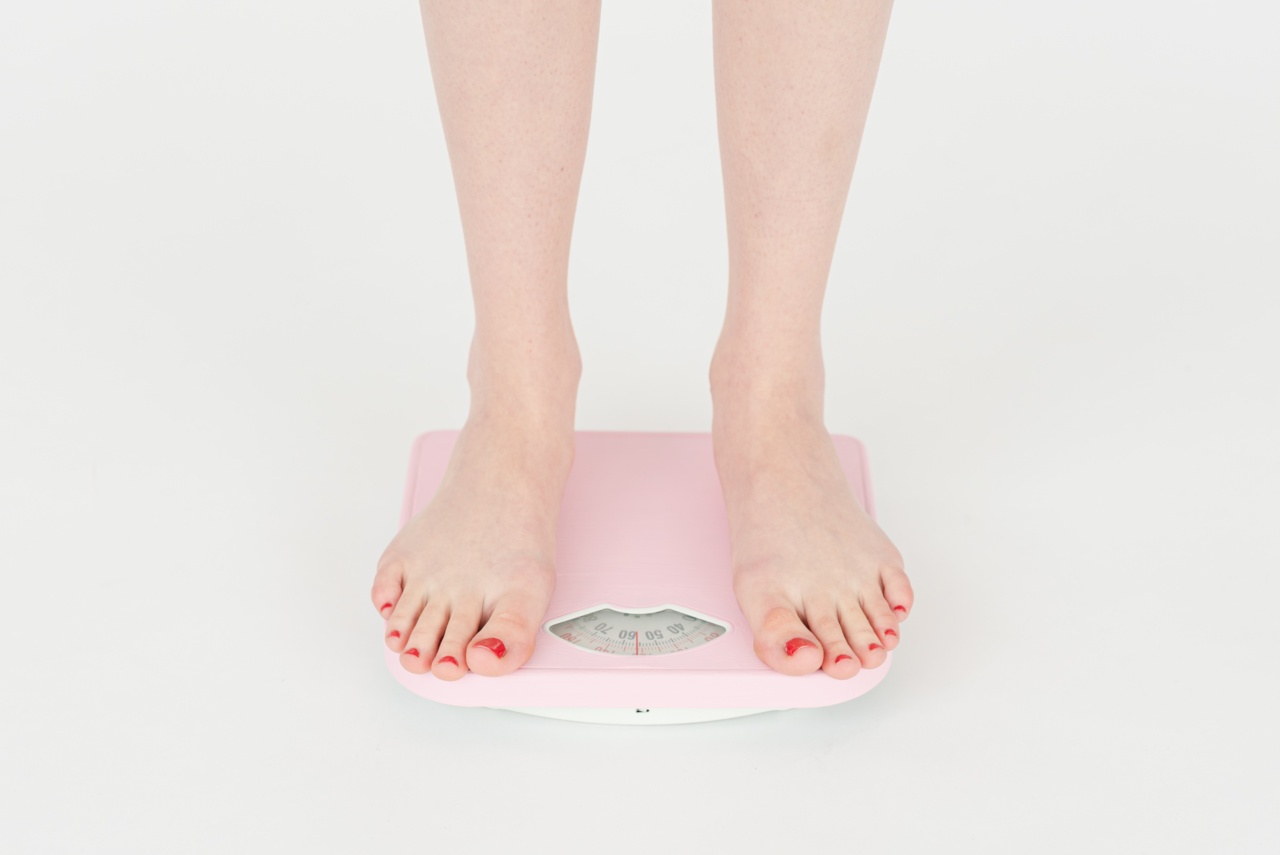
However, many people also believe that a gluten-free diet can lead to weight loss. In this article, we will explore whether or not this is true.
What is a Gluten-Free Diet?
A gluten-free diet is one that avoids all foods that contain gluten. This includes foods made with wheat, barley, and rye, as well as any foods that may contain trace amounts of gluten.
Some people with celiac disease, an autoimmune disorder, must follow a gluten-free diet to avoid damaging their small intestine. Others may follow a gluten-free diet to alleviate symptoms of gluten sensitivity, such as bloating and abdominal pain.
Does a Gluten-Free Diet Lead to Weight Loss?
There is no definitive answer to whether or not a gluten-free diet leads to weight loss. Some people who go gluten-free do lose weight, but this may have more to do with the types of foods they are eating than with the gluten itself.
When people cut out gluten, they often end up cutting out processed foods and junk foods that are high in calories and low in nutrients. They may also eat more fruits, vegetables, and lean proteins, which can help with weight loss.
Gluten-Free Foods Can Be High in Calories
While cutting out processed and junk foods can be beneficial for weight loss, it’s important to note that many gluten-free foods are actually higher in calories than their gluten-containing counterparts.
For example, gluten-free breads and pastries often use more fat and sugar to make up for the absence of gluten, which can lead to weight gain if consumed in excess. Gluten-free products are often also more expensive than their traditional counterparts, which can make it difficult for people on a budget to follow a gluten-free diet.
Related Article
Will eliminating gluten help us shed pounds?

Gluten-Free Diets Can Be Nutrient-Poor
Another potential issue with a gluten-free diet is that it can be nutrient-poor. Gluten-containing grains such as wheat are fortified with vitamins and minerals such as iron and B vitamins.
When these grains are eliminated from the diet, it can be difficult to get enough of these nutrients from other sources. This can lead to deficiencies and other health issues.
Gluten-Free Diets May Help Some People
While a gluten-free diet may not be the magic solution to weight loss, it may still be beneficial for some people. As mentioned earlier, some people with celiac disease or gluten sensitivity need to avoid gluten to alleviate symptoms.
For these people, a gluten-free diet may help them feel better overall, which can indirectly contribute to weight loss by improving their mood, sleep, and energy levels.
Other Factors That Affect Weight Loss
It’s important to remember that weight loss is a complex process that is influenced by many factors, not just what we eat. Factors such as genetics, stress levels, sleep, and physical activity can all play a role in weight loss.
It’s also worth noting that weight loss is not necessarily the same thing as health. A person can be overweight and still be healthy if they eat a balanced diet, exercise regularly, and have good overall health habits.
Conclusion
In conclusion, while a gluten-free diet may help some people feel better, there is no clear evidence that it leads to weight loss.
If you choose to follow a gluten-free diet, it’s important to make sure you are still getting all the nutrients you need and not relying too heavily on processed, high-calorie gluten-free products. The most effective way to lose weight and improve your overall health is to eat a balanced diet, exercise regularly, and make healthy lifestyle choices.


