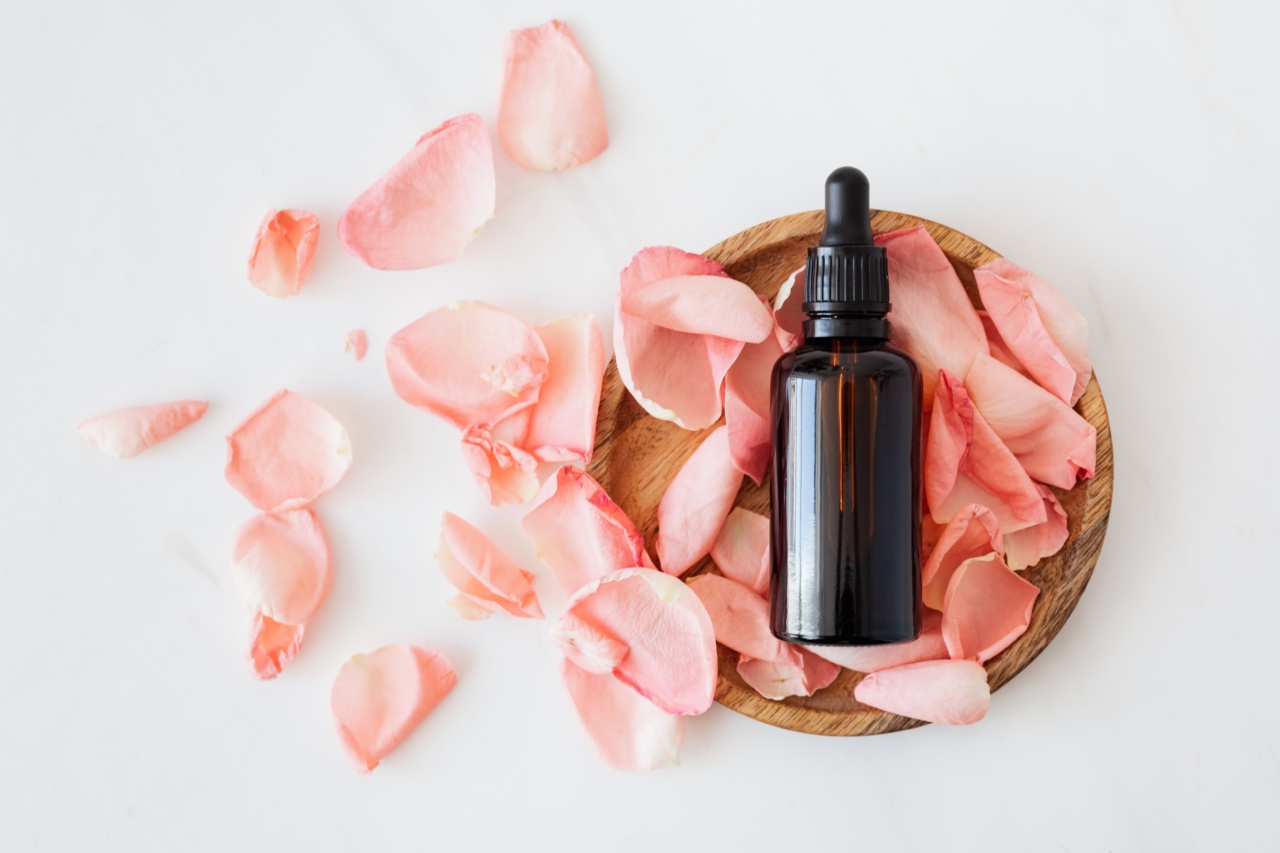
Essential oils are highly concentrated plant extracts that are derived from various parts of plants such as flowers, leaves, stems, and roots.
These oils capture the essence and aroma of the plants and have been used for centuries for their medicinal and therapeutic properties. Essential oils are commonly used in aromatherapy, skincare, and natural remedies.
The Power of Essential Oils
Essential oils are not only known for their pleasant fragrance but also for their antimicrobial, antifungal, and antiviral properties.
These natural compounds present in essential oils can help protect against food poisoning caused by harmful bacteria, viruses, and parasites.
Preventing Food Poisoning with Essential Oils
Food poisoning occurs when we consume contaminated food or beverages that contain harmful microorganisms. The symptoms of food poisoning can range from mild stomach discomfort to severe illness.
Using essential oils can be an effective way to prevent food poisoning and maintain a healthy digestive system.
Top Essential Oils for Food Poisoning
1. Oregano Essential Oil.
Oregano essential oil is known for its strong antimicrobial properties, specifically against bacteria and parasites. It contains carvacrol and thymol, which are potent antimicrobial compounds.
Adding a few drops of oregano essential oil to your cooking or consuming it in capsule form can help protect against foodborne pathogens.
2. Peppermint Essential Oil.
Peppermint essential oil has a refreshing aroma and is widely used for its digestive benefits. It can help soothe the stomach, alleviate nausea, and promote healthy digestion.
Consuming peppermint oil can help prevent bacteria-related food poisoning and provide relief from symptoms.
3. Lemon Essential Oil.
Lemon essential oil is known for its uplifting scent and various health benefits. It has strong antimicrobial properties that can combat bacteria and enhance the immune system.
Adding a few drops of lemon essential oil to your drinking water or using it in cooking can help prevent food poisoning.
4. Thyme Essential Oil.
Thyme essential oil is a potent antimicrobial agent and has been used for ages to protect against foodborne pathogens. It contains thymol, which provides strong antiseptic and antifungal properties.
Using thyme essential oil in your cooking or taking it orally can help prevent food poisoning.
5. Ginger Essential Oil.
Ginger essential oil is known for its ability to support digestion and alleviate stomach discomfort. It has strong antimicrobial properties that can protect against foodborne bacteria.
Consuming ginger oil or adding it to your cooking can provide a natural defense against food poisoning.
6. Cinnamon Essential Oil.
Cinnamon essential oil has powerful antibacterial properties and is effective against a wide range of bacteria. It can inhibit the growth of foodborne pathogens and prevent food contamination.
Adding a drop of cinnamon essential oil to your food or beverages can provide protection against food poisoning.
7. Clove Essential Oil.
Clove essential oil is known for its antimicrobial, antifungal, and antiparasitic properties. It contains eugenol, which has strong antibacterial effects.
Adding a few drops of clove essential oil to your cooking or oral consumption can help protect against food poisoning.
8. Tea Tree Essential Oil.
Related Article
The Miracle Oil for Protecting Against Food Poisoning

Tea tree essential oil is a potent antimicrobial and antiviral agent. It can help combat bacteria and viruses that cause food poisoning.
Adding a few drops of tea tree essential oil to your food or consuming it in capsule form can strengthen your immune system and prevent foodborne illnesses.
9. Eucalyptus Essential Oil.
Eucalyptus essential oil has strong antiseptic properties and can help prevent foodborne bacteria from contaminating your food. It also has decongestant and expectorant qualities that can support respiratory health.
Using eucalyptus essential oil in your cooking or diffusing it in your kitchen can provide protection against food poisoning.
10. Rosemary Essential Oil.
Rosemary essential oil has antimicrobial and antioxidant properties that can help protect against food poisoning. It also aids in digestion and enhances nutrient absorption.
Adding a few drops of rosemary essential oil to your cooking or consuming it orally can support a healthy digestive system.
How to Use Essential Oils for Food Poisoning Protection
1. Cooking with Essential Oils.
Add a drop or two of essential oil to your recipes to enhance the flavor and protect against food poisoning. Make sure to mix the essential oil with a carrier oil or another ingredient before adding it to your dishes to evenly distribute its flavor.
2. Internal Consumption.
Some essential oils can be consumed orally for their health benefits. Dilute a drop of essential oil with a teaspoon of carrier oil and consume it directly or add it to water, tea, or a smoothie.
Be cautious with the dosage and consult a healthcare professional if needed.
3. Aromatherapy.
Diffusing essential oils in your kitchen or dining area can help purify the air and prevent the growth of airborne bacteria. Use an essential oil diffuser or simply inhale the aromatic molecules directly from the bottle for a quick boost of protection.
4. Topical Application.
Applying diluted essential oils to the soles of your feet or massaging them onto your abdomen can help absorb the oil’s beneficial properties. Use a carrier oil like coconut or almond oil to dilute the essential oil and avoid skin sensitivity.
Precautions and Considerations
While essential oils can provide natural protection against food poisoning, it is important to use them with caution and respect their potency. Here are a few precautions and considerations:.
1. Quality Matters.
Choose high-quality, pure essential oils that are organic and sourced from reputable sources. Low-quality oils may contain additives or be diluted, reducing their effectiveness.
2. Dilution.
Most essential oils need to be diluted before use, especially for internal consumption or topical application. Follow the recommended dilution ratios and guidelines to avoid skin irritation or adverse reactions.
3. Allergies and Sensitivities.
Be aware of any allergies or sensitivities you may have to specific essential oils. Perform a patch test before internal or topical use to ensure you don’t have an adverse reaction.
4. Dosage.
Stick to the recommended dosage and consult a healthcare professional or aromatherapist for specific advice, especially if you have any underlying health conditions or are pregnant or breastfeeding.
Conclusion
Essential oils offer a natural and effective way to protect against food poisoning. Their antimicrobial properties can help combat harmful bacteria, viruses, and parasites, while also supporting digestive health.
By incorporating a variety of essential oils into your cooking, aromatherapy practices, or internal consumption routine, you can enhance the safety of your meals and enjoy the many benefits that these oils provide.


