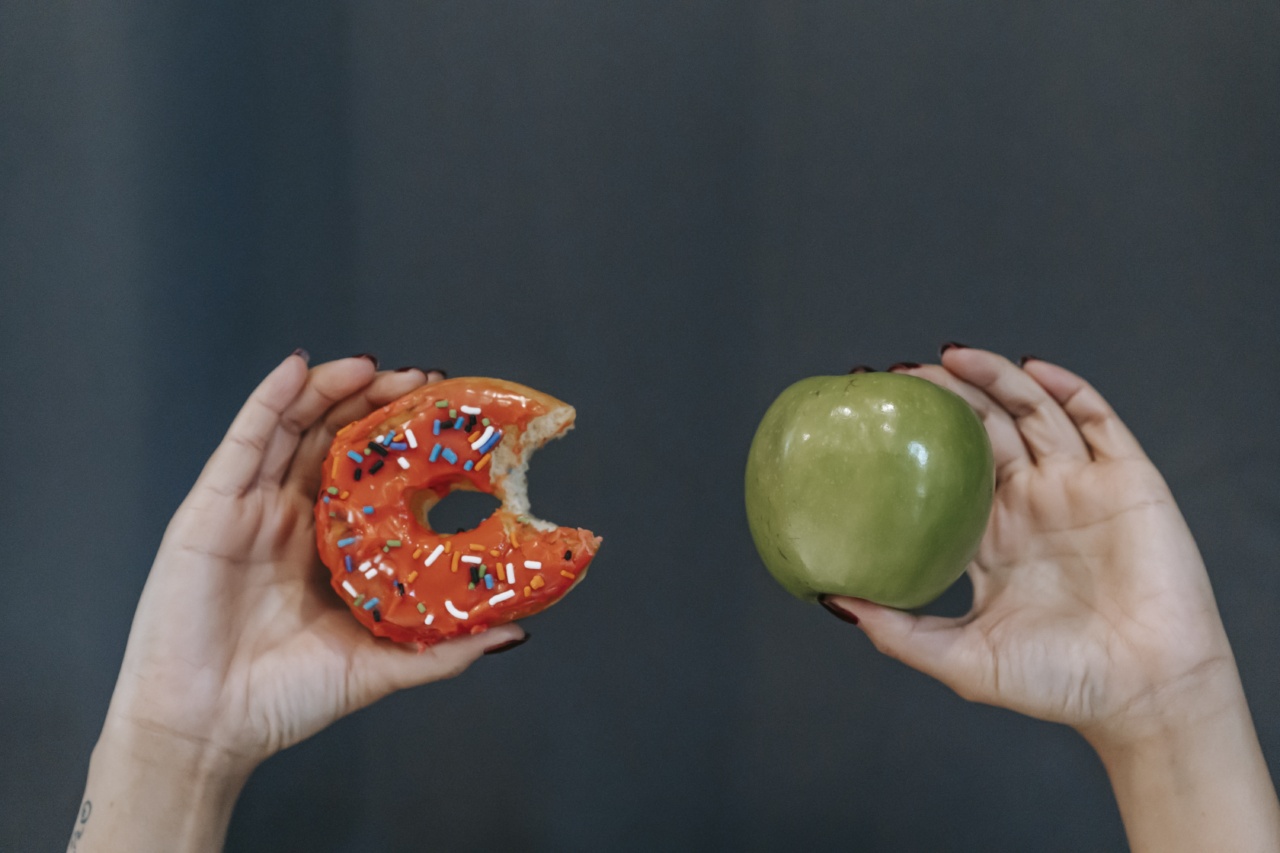
Women have unique nutritional needs to support their overall health and well-being. Whether you are a young woman, a busy working professional, a new mother, or approaching menopause, incorporating nutrient-dense foods into your diet is essential.
These foods can help you meet your daily nutrient requirements, support hormonal balance, boost immunity, and protect against various health issues. So, let’s explore some of the top nutrient-dense foods that every woman should consider adding to her diet.
1. Leafy Greens
Leafy greens such as spinach, kale, Swiss chard, and collard greens are incredible sources of essential vitamins, minerals, and antioxidants.
They are particularly rich in folate, which is crucial for women of childbearing age to support a healthy pregnancy. Additionally, these greens are high in iron, calcium, and vitamin K, which can help strengthen bones and prevent anemia.
2. Berries
Berries like blueberries, strawberries, raspberries, and blackberries are not only delicious but also packed with nutrients. They are loaded with antioxidants that protect against oxidative stress and reduce the risk of chronic diseases.
Berries are also a great source of fiber, which promotes healthy digestion and helps maintain a healthy weight.
3. Fatty Fish
Fatty fish such as salmon, trout, and sardines are excellent sources of omega-3 fatty acids, which are essential for overall health.
Omega-3 fatty acids support brain function, reduce inflammation, and can help alleviate symptoms of premenstrual syndrome (PMS) in women. They also promote heart health and reduce the risk of cardiovascular diseases.
4. Legumes
Legumes like lentils, chickpeas, black beans, and kidney beans are rich in plant-based proteins, fiber, iron, and folate. They provide a sustainable source of energy, keep you full for longer, and promote a healthy digestive system.
Including legumes in your diet can help manage weight, regulate blood sugar levels, and lower the risk of heart disease.
5. Nuts and Seeds
Nuts and seeds such as almonds, walnuts, chia seeds, and flaxseeds are packed with essential nutrients and healthy fats.
Related Article
The Top 16 Superfoods Every Woman Should Eat

They are rich in vitamin E, magnesium, and antioxidants, which support brain health, improve skin elasticity, and reduce the risk of chronic diseases. Incorporating nuts and seeds into your diet can also aid weight management and improve overall cardiovascular health.
6. Greek Yogurt
Greek yogurt is a fantastic source of protein, calcium, and probiotics. It contains less lactose than regular yogurt and is easier to digest. The probiotics present in Greek yogurt promote a healthy gut by increasing the number of beneficial gut bacteria.
This, in turn, supports digestion, strengthens the immune system, and may even help reduce the risk of certain cancers.
7. Whole Grains
Whole grains like quinoa, brown rice, oats, and whole wheat bread are rich in fiber, vitamins, minerals, and antioxidants. Unlike refined grains, whole grains retain their bran and germ layers, which are packed with nutrients.
Consuming whole grains can aid in weight management, regulate blood sugar levels, lower cholesterol, and reduce the risk of heart disease and type 2 diabetes.
8. Avocados
Avocados are not only creamy and delicious but also incredibly nutritious. They are rich in healthy monounsaturated fats, vitamins (such as vitamin K, vitamin C, and vitamin E), and minerals (including potassium and magnesium).
Avocados can support heart health, promote healthy aging, and even improve nutrient absorption from other foods.
9. Cruciferous Vegetables
Cruciferous vegetables like broccoli, cauliflower, Brussels sprouts, and cabbage contain potent compounds that have been shown to protect against certain types of cancers. They are also rich in fiber, vitamins, and minerals.
Regular consumption of cruciferous vegetables can support detoxification, boost immunity, and promote hormonal balance.
10. Lean Proteins
Lean proteins such as chicken breast, turkey, lean beef, tofu, and tempeh are essential for muscle repair, hormone production, and overall health. Protein is necessary for tissue growth and repair and can help you feel more satisfied after a meal.
Including lean proteins in your diet can aid in weight management, support bone health, and provide essential amino acids.


