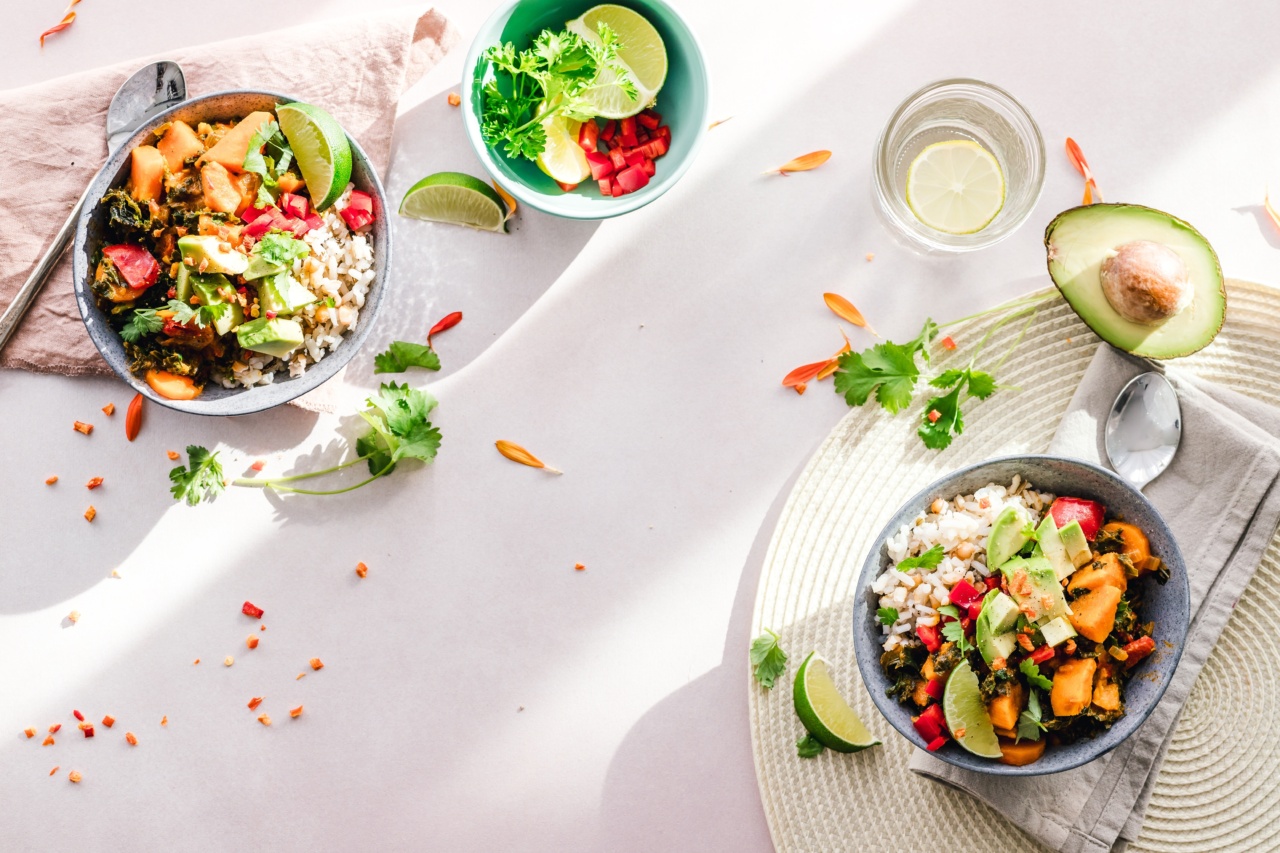
Eating a variety of vegetables is essential for maintaining a healthy and balanced diet. Vegetables provide essential nutrients, vitamins, minerals, and dietary fiber, all of which contribute to optimal health and well-being.
They are low in calories and high in water content, making them an excellent choice for anyone looking to lose or maintain weight. In this article, we will explore some of the best vegetables that can help you achieve a healthy and filling diet.
1. Spinach
Spinach is a powerhouse of various nutrients, including vitamin C, vitamin K, and iron. It is rich in antioxidants and helps protect against oxidative stress. Spinach is low in calories and can be consumed raw or cooked.
Add it to your salads, sandwiches, or stir-fries for a nutritious and flavorful meal.
2. Broccoli
Broccoli is a cruciferous vegetable packed with fiber, vitamins (particularly vitamin C), minerals, and antioxidants. It is known for its cancer-fighting properties and supports overall health.
Broccoli can be steamed, roasted, or stir-fried to preserve its nutrients and flavors. Incorporating broccoli into your meals provides a satisfying and nourishing experience.
3. Bell Peppers
Bell peppers, available in various colors, are loaded with vitamin C, vitamin A, and fiber. They are low in calories and are a great addition to salads, stir-fries, or can be stuffed for a delicious and healthy meal.
Include different colored bell peppers to enjoy a range of antioxidants and nutrients.
4. Carrots
Carrots are an excellent source of beta-carotene, which converts to vitamin A in the body. They are also rich in fiber, vitamin K1, and potassium. Carrots can be enjoyed raw, cooked, or blended into smoothies.
They make a perfect snack and can be added to stews, soups, or roasted for a heartwarming meal.
5. Sweet Potatoes
Sweet potatoes are not only delicious but also highly nutritious. They are rich in fiber, vitamin C, potassium, and antioxidants. Sweet potatoes can be baked, roasted, mashed, or even used as a healthier alternative to regular fries.
Related Article
The Top 5 Vegetables to Include in Your Hearty Diet

Including sweet potatoes in your diet provides a filling and nutritious source of energy.
6. Cauliflower
Cauliflower is a versatile vegetable that can be used as a low-carb substitute for grains or potatoes. It is rich in vitamin C, vitamin K, and fiber.
Cauliflower can be roasted, mashed, or used as a pizza crust alternative to reduce the calorie and carbohydrate content of your meals.
7. Brussels Sprouts
Brussels sprouts are a nutrient-dense vegetable that provides excellent amounts of vitamins K and C, fiber, and antioxidants. They can be roasted, steamed, or sautéed to enhance their flavors.
Brussels sprouts make a great side dish or can be added to stir-fries for a nutrient-packed meal.
8. Zucchini
Zucchini is a low-calorie vegetable that is incredibly versatile. It is an excellent source of vitamin C and minerals such as potassium and magnesium.
Zucchini can be spiralized into noodles, grilled, or sautéed as a delicious alternative to pasta or added to salads and stir-fries for a nutritious boost.
9. Kale
Kale is one of the most nutrient-dense vegetables available. It is packed with vitamins A, C, and K, as well as minerals like calcium and potassium. Kale can be enjoyed raw in salads or sautéed to enhance its flavors.
Including kale in your diet improves overall nutrient intake and supports a healthy immune system.
10. Green Beans
Green beans, also known as string beans, are a low-calorie vegetable rich in fiber and various vitamins and minerals. They are commonly steamed, boiled, or stir-fried to preserve their nutrients.
Green beans make a nutritious and filling addition to your meals, providing essential nutrients without adding excessive calories.


