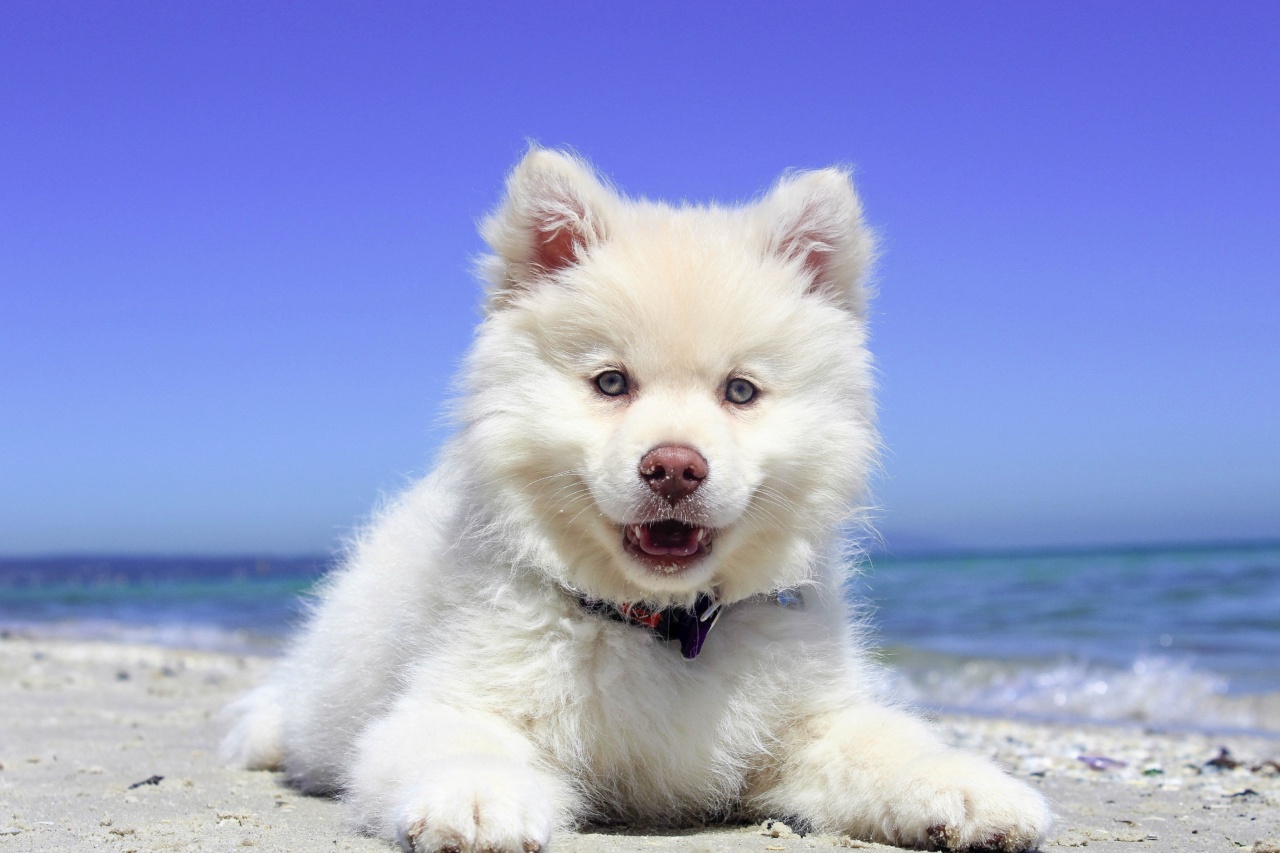
Going to the beach can be a thrilling experience for many dog owners. However, some dogs may have fears or anxieties that can make a beach trip stressful for both the pup and their owner.
As responsible pet owners, it’s important to understand and address these fears to ensure that our furry friends can fully enjoy their seaside adventures. In this article, we will discuss the common beach fears that dogs may have and provide useful tips on helping them conquer their fears.
1. Fear of Water
Some dogs may have a fear of water, which can make the beach a particularly challenging environment for them. The sound, movement, and unpredictability of waves can trigger anxiety in water-fearing dogs. To help your dog overcome this fear:.
- Gradually introduce your dog to the water by starting with shallow areas where they can feel safe.
- Use positive reinforcement techniques, such as treats and praise, to associate water with positive experiences.
- Consider using a doggy life vest to provide a sense of security and buoyancy.
2. Fear of Loud Noises
The beach can be a noisy place, especially during busy periods. Dogs with noise sensitivities may become anxious or fearful in such environments. Here’s how you can help them cope:.
- Create a quiet space for your dog to retreat to when the noise becomes overwhelming.
- Use white noise machines or calming music to drown out loud sounds.
- Consider using earmuffs or earplugs specially designed for dogs to reduce noise sensitivity.
3. Fear of Strangers or Other Dogs
Interaction with strangers and unfamiliar dogs is inevitable at the beach. However, some dogs may have a fear of strangers or a history of aggressive behavior towards other dogs. Use these strategies to manage their fear:.
- Keep your dog on a leash and maintain control of their movements.
- Practice obedience commands to divert your dog’s attention and reinforce positive behavior.
- If your dog’s fear or aggression is severe, consult a professional dog trainer or behaviorist for guidance.
4. Fear of Sand
For dogs who are not familiar with sand, the texture and sensation can trigger anxiety or discomfort. Follow these steps to help your dog overcome their fear of sand:.
- Gradually introduce your dog to sandy areas by starting with small patches and slowly increasing exposure.
- Encourage positive experiences by playing their favorite games or offering treats on the sand.
- Provide a comfortable mat or blanket on the sand to create a familiar resting spot for your dog.
5. Fear of Seagulls or Wildlife
Seagulls and other wildlife can be both fascinating and intimidating for dogs. Their sudden movements and loud calls may trigger fear or excitement. To help your dog deal with their fear of seagulls or wildlife:.
Related Article
How to Help Your Dog Overcome Fear of the Sea

- Keep your dog on a leash to prevent them from chasing or approaching wildlife.
- Use distraction techniques, such as toys or treats, to redirect your dog’s attention away from wildlife.
- Practice recall exercises and reward your dog for coming back to you when wildlife is present.
6. Fear of Sun and Heat
Extreme heat and intense sunlight can be uncomfortable and even dangerous for dogs. To minimize the fear of sun and heat:.
- Provide shade using umbrellas, canopies, or beach tents to protect your dog from direct sunlight.
- Bring plenty of fresh water and a portable water bowl to keep your dog hydrated.
- Avoid peak sun hours and plan beach trips during cooler parts of the day.
7. Fear of Open Spaces
Some dogs may experience anxiety when exposed to wide, open spaces like the beach. If this is the case for your dog, use the following techniques:.
- Keep your dog on a leash to give them a sense of boundaries and security.
- Engage in interactive games or training exercises to redirect their focus and build confidence.
- Gradually increase the distance from you that your dog feels comfortable with, rewarding them for progress along the way.
8. Fear of Waves
The crashing sound and movement of waves can be scary for some dogs, especially if they’ve had negative experiences in the past. Consider the following tips to help your dog conquer their fear of waves:.
- Visit the beach during low tide when the waves are smaller and less intimidating.
- Observe the waves from a distance at first, gradually moving closer as your dog becomes more comfortable.
- Avoid forcing your dog to interact with the waves if they show signs of fear or reluctance.
9. Fear of Beach Equipment
Beach equipment such as beach chairs, umbrellas, or surfboards can spook dogs who are unfamiliar with them. To help your dog feel at ease around beach equipment:.
- Introduce them to the equipment in a controlled environment before heading to the beach.
- Gradually expose your dog to different types of equipment, rewarding them for calm and relaxed behavior.
- Desensitize your dog by setting up beach equipment in your backyard and allowing them to investigate at their own pace.
10. Fear of Water Sports
Dogs who have never been exposed to water sports, such as surfing or paddleboarding, may exhibit fear or uncertainty. Use the following steps to help your dog overcome their fear of water sports:.
- Introduce your dog to the watercraft in a calm and controlled environment.
- Allow them to investigate and sniff the equipment to familiarize themselves.
- Gradually acclimate them to the motion of the watercraft, rewarding them for calm and confident behavior.
Conclusion
By understanding and addressing your dog’s fears, you can help them have a positive and enjoyable experience at the beach.
Remember to be patient, use positive reinforcement techniques, and consult a professional if your dog’s fears persist or escalate. With the right support and guidance, your furry friend can conquer their beach fears and fully embrace seaside adventures.


