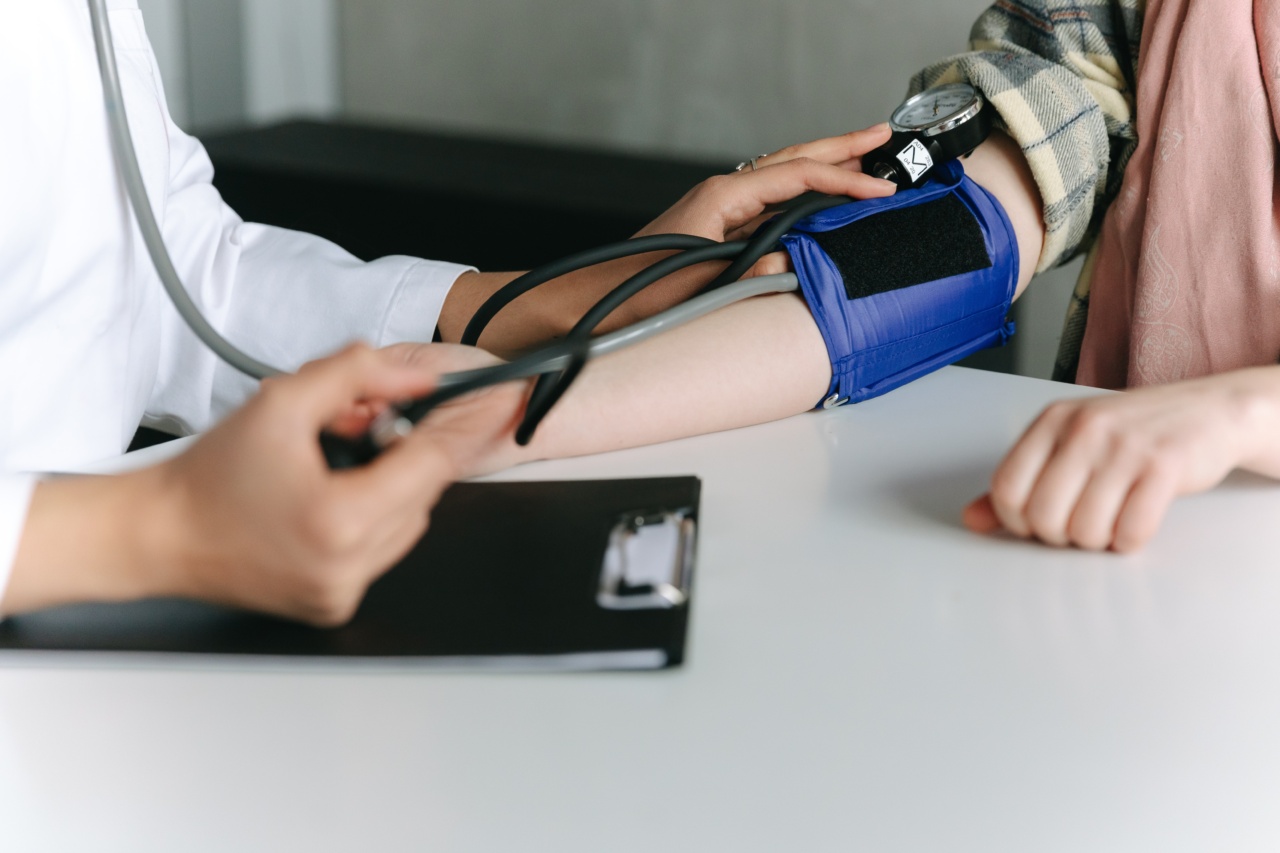
Hypertension, commonly known as high blood pressure, is a chronic medical condition that affects millions of people worldwide. It is a serious health concern as it increases the risk of heart disease, stroke, and other cardiovascular disorders.
While medication is commonly prescribed to manage hypertension, there are also practical ways to lower blood pressure naturally. By implementing these lifestyle changes and smart hacks into your daily routine, you can effectively keep your blood pressure levels in check and promote overall cardiovascular health.
1. Eat a Healthy Diet
Your diet directly impacts your blood pressure. Incorporate heart-healthy foods such as fruits, vegetables, whole grains, low-fat dairy products, and lean proteins into your daily meals.
Avoid or limit foods high in saturated and trans fats, cholesterol, sodium, and added sugars. Maintaining a balanced diet helps control hypertension and prevents its complications.
2. Reduce Sodium Intake
Sodium, a major component of salt, is known to elevate blood pressure levels. Limit your sodium consumption to less than 2,300 milligrams (mg) per day, and ideally aim for an intake of 1,500 mg or less.
Be cautious of high-sodium processed foods, canned soups, snacks, and fast food. Flavor meals with herbs, spices, or salt substitutes to reduce sodium intake without compromising taste.
3. Exercise Regularly
Physical activity is crucial for maintaining a healthy cardiovascular system. Engage in moderate aerobic exercises such as brisk walking, swimming, cycling, or dancing for at least 150 minutes per week.
Additionally, incorporating strength training exercises twice a week strengthens your heart and lowers blood pressure. Consult your doctor before initiating an exercise regimen to ensure safety.
4. Maintain a Healthy Weight
Shedding excess pounds significantly contributes to reducing blood pressure. Consult a healthcare professional to determine your ideal weight range and develop a personalized weight loss plan.
Combine a healthy diet with regular physical activity to achieve sustainable weight loss and lower your blood pressure naturally.
5. Limit Alcohol Consumption
Excessive alcohol consumption can raise blood pressure and cause various health issues. Limit yourself to moderate alcohol consumption, which means up to one drink per day for women and up to two drinks per day for men.
Remember that moderation is key, and excessive alcohol intake can negate any potential health benefits.
6. Manage Stress Levels
Chronic stress can contribute to hypertension. Find healthy ways to manage stress, such as practicing relaxation techniques like deep breathing, meditation, or yoga.
Engaging in hobbies, spending time with loved ones, and seeking support from friends or professionals can also help alleviate stress levels, thereby reducing the risk of high blood pressure.
7. Quit Smoking
Smoking damages blood vessels and constricts arteries, leading to increased blood pressure readings. Quitting smoking is one of the most effective ways to improve your overall health, lower blood pressure, and reduce the risk of heart disease.
Seek professional help, join support groups, or use smoking cessation aids to successfully quit smoking.
8. Monitor Your Blood Pressure Regularly
Regularly monitoring your blood pressure is crucial to understanding your current readings and tracking any progress made with lifestyle changes. Invest in a reliable blood pressure monitor and follow the recommended frequency to check your readings.
Consult your healthcare professional to determine your ideal blood pressure range and discuss any concerning fluctuations.
9. Increase Potassium Intake
Consuming foods rich in potassium can help counteract the effects of sodium and lower blood pressure. Include potassium-rich foods such as bananas, oranges, avocados, spinach, and sweet potatoes in your diet.
If needed, consider potassium supplements, under medical supervision, to reach the recommended daily intake of 2,600 to 3,400 mg.
10. Get Sufficient Sleep
Quality sleep promotes cardiovascular health and contributes to stabilized blood pressure levels. Aim for 7 to 8 hours of uninterrupted sleep each night.
Establish a consistent sleep routine, create a calming sleep environment, and avoid stimulating activities before bedtime. If you have trouble sleeping, consult a healthcare professional for guidance.
Conclusion
Lowering blood pressure naturally is an achievable goal by making simple yet impactful lifestyle modifications.
Prioritize a healthy diet, exercise regularly, maintain a healthy weight, limit alcohol consumption, manage stress levels, quit smoking, monitor your blood pressure regularly, increase potassium intake, and ensure sufficient sleep. These practical hypertension hacks not only help lower blood pressure but also promote overall cardiovascular health.
Consult your healthcare professional for guidance tailored to your specific health needs, and take proactive steps towards managing and preventing hypertension effectively.


