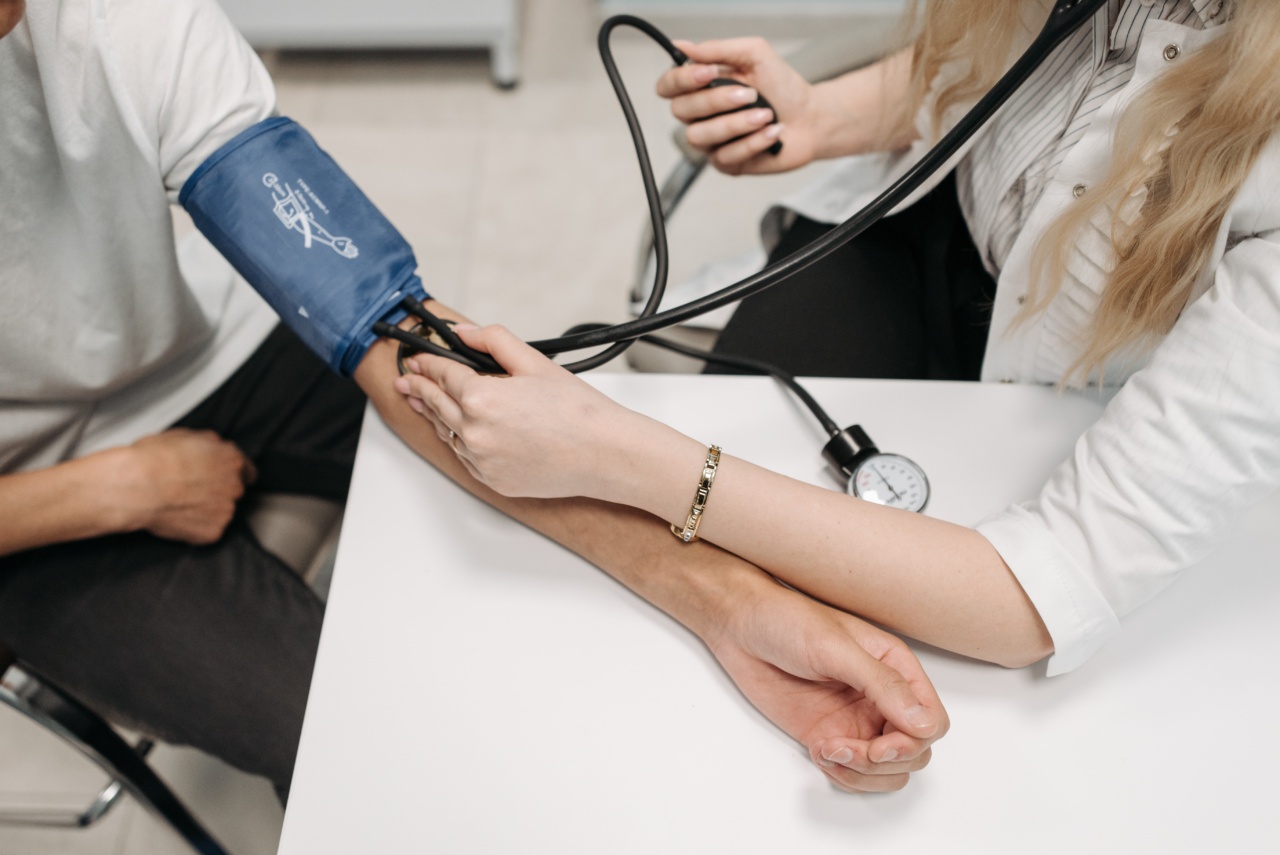
High blood pressure, also known as hypertension, often has no symptoms but can lead to serious health problems like heart attack, stroke, and kidney failure.
Many people with high blood pressure rely on medication to manage their condition, but lifestyle changes can also effectively lower blood pressure. Here are easy remedies that lower blood pressure in 80% of hypertension patients:.
1. Exercise regularly
Regular physical activity can lower blood pressure by improving the health of your heart and blood vessels. It also helps you maintain a healthy weight, which is important for keeping blood pressure in check.
Aim for at least 30 minutes of moderate-intensity exercise most days of the week. Examples of activities that can help lower blood pressure include brisk walking, cycling, swimming, and dancing.
2. Eat a healthy diet
Diet plays a crucial role in managing high blood pressure. The DASH (Dietary Approaches to Stop Hypertension) diet is an eating plan recommended by doctors for people with high blood pressure.
It emphasizes fruits, vegetables, whole grains, lean proteins, and low-fat dairy while limiting salt, added sugars, and saturated and trans fats. Eating a DASH-style diet can lower blood pressure by up to 11 mmHg systolic and 6 mmHg diastolic.
3. Reduce salt intake
Excess salt in the diet can raise blood pressure. The American Heart Association recommends consuming no more than 2,300 milligrams (mg) of sodium per day, and ideally no more than 1,500 mg per day for most adults.
To reduce salt intake, avoid processed foods, read food labels, use herbs and spices to flavor food instead of salt, and limit high-salt condiments like soy sauce and ketchup.
4. Quit smoking
Smoking raises blood pressure and damages blood vessels, making it a major risk factor for heart disease and stroke. Quitting smoking can improve your overall health and lower your risk of these conditions.
Nicotine replacement therapy, medication, counseling, and support groups can all help you quit smoking.
Related Article
Simple solutions that bring down high blood pressure in majority of cases

5. Limit alcohol consumption
Drinking too much alcohol can raise blood pressure and increase the risk of heart disease and stroke. The American Heart Association recommends no more than one drink per day for women and no more than two drinks per day for men.
A drink is defined as 12 ounces of beer, 5 ounces of wine, or 1.5 ounces of liquor.
6. Manage stress
Stress can temporarily raise blood pressure, but chronic stress can lead to sustained high blood pressure. Find ways to manage stress, like meditation, yoga, deep breathing, or simply doing activities you enjoy.
Regular exercise and sleep also help reduce stress.
7. Take medication as prescribed
If lifestyle changes alone don’t lower blood pressure enough, medication may be necessary. It’s important to take medication as prescribed by a doctor and to never stop or adjust the dosage without a doctor’s approval.
8. Monitor blood pressure regularly
Regular blood pressure monitoring can help detect hypertension early and track the effectiveness of lifestyle changes and/or medication. Home blood pressure monitors are available for purchase and are easy to use.
9. Lose weight if overweight or obese
Being overweight or obese puts extra strain on the heart and blood vessels, raising blood pressure. Losing weight can significantly lower blood pressure. A healthy diet and regular exercise are key for sustainable weight loss.
10. Get enough sleep
Getting enough sleep, around seven to eight hours per night, is important for overall health, including blood pressure.
Lack of sleep can cause a temporary increase in blood pressure and can also lead to increased stress levels, which can raise blood pressure over time.


