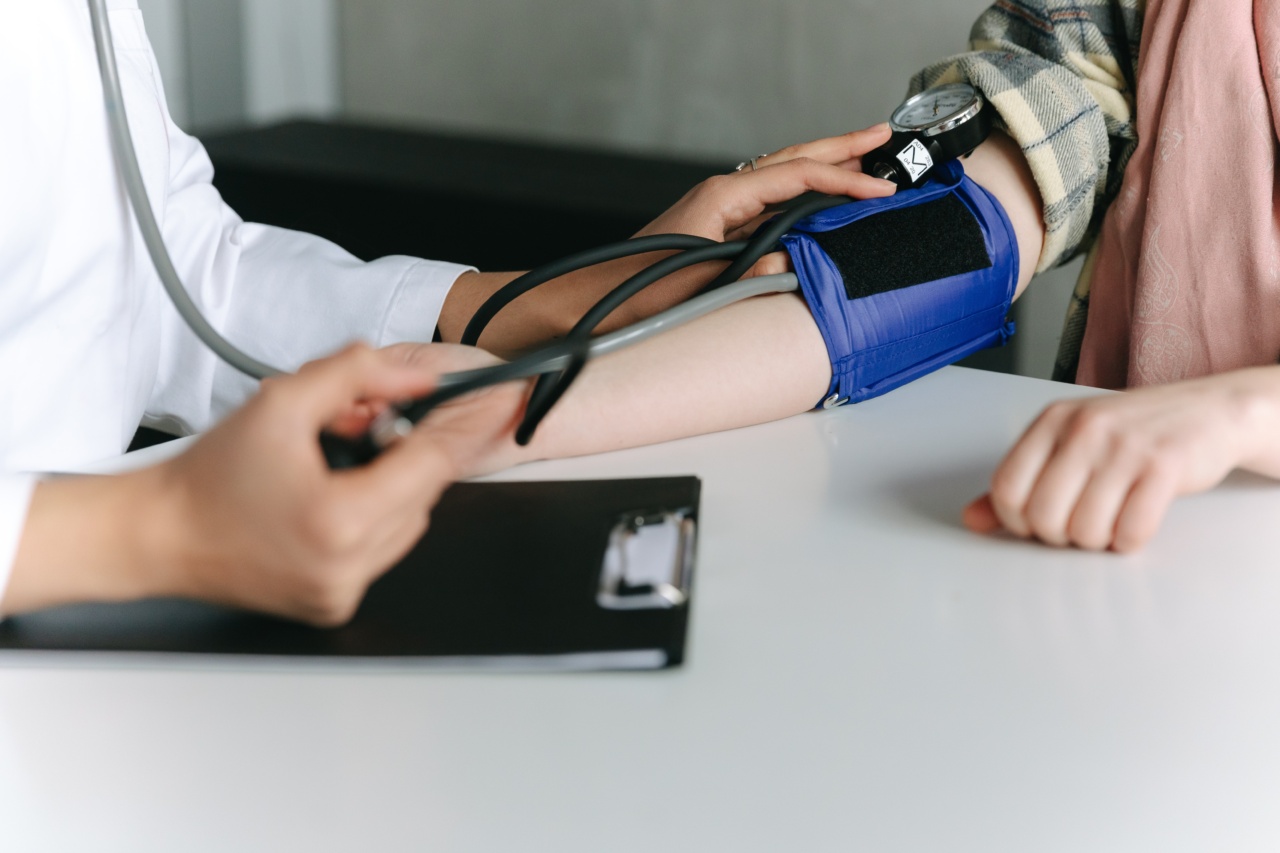
Hypertension, commonly known as high blood pressure, affects millions of individuals worldwide. It is often referred to as the silent killer, as it typically does not exhibit any noticeable symptoms, making it difficult to detect.
However, if left untreated, hypertension can lead to serious health complications such as heart attacks, strokes, and organ damage. Fortunately, there are various effective tactics that can help to alleviate the pressure in 80% of patients suffering from hypertension. In this article, we will explore these tactics and how they can be incorporated into one’s lifestyle.
1. Regular Exercise
Engaging in regular physical exercise is essential for maintaining overall health and managing hypertension.
Aerobic exercises such as brisk walking, jogging, cycling, or swimming help to improve heart health, reduce blood pressure, and enhance blood circulation. Aim for at least 30 minutes of moderate-intensity exercise most days of the week for optimal results.
2. Healthy Diet
Adopting a healthy and balanced diet plays a crucial role in managing hypertension. Incorporate more fresh fruits, vegetables, whole grains, lean proteins, and low-fat dairy products into your meals.
Reduce the intake of sodium, processed foods, sugary drinks, and saturated fats, as they can contribute to high blood pressure.
3. Stress Management
Chronic stress can significantly impact blood pressure levels. It is vital to find effective stress management techniques to lower hypertension.
Practices such as deep breathing exercises, meditation, yoga, and engaging in hobbies or activities that bring joy and relaxation can aid in reducing stress and promoting a sense of calmness.
4. Weight Management
Being overweight or obese often leads to high blood pressure. Losing excess weight can significantly reduce the strain on the cardiovascular system, thus lowering blood pressure.
Maintain a healthy weight by combining a nutritious diet with regular exercise. Consult with a healthcare professional to determine the ideal weight range for your specific circumstances.
5. Limit Alcohol Consumption
Excessive alcohol consumption can elevate blood pressure levels and negate the effects of medication. If you choose to drink alcohol, do so in moderation.
Related Article
Easy remedies that lower blood pressure in 80% of hypertension patients

Moderation is typically considered one drink per day for women and up to two drinks per day for men.
6. Tobacco and Nicotine Cessation
Both smoking and the use of other tobacco or nicotine products can cause a significant increase in blood pressure. Quitting smoking can provide immediate and long-term benefits to individuals with hypertension.
Seek professional help or join support groups to successfully quit these habits.
7. Limit Caffeine Intake
Caffeine, found in coffee, tea, some soft drinks, and chocolate, can temporarily increase blood pressure.
While the effects vary from person to person, it is advisable to limit caffeine consumption, especially if it causes noticeable changes in blood pressure levels.
8. Regular Blood Pressure Monitoring
Regularly monitoring your blood pressure at home provides essential information regarding the effectiveness of lifestyle changes and medications.
Consult with your healthcare provider regarding the proper technique and frequency of monitoring to ensure accurate and up-to-date data.
9. Medication Adherence
For some individuals, lifestyle modifications alone may not be sufficient to manage hypertension. It is crucial to follow the prescribed medication regimen as directed by a healthcare professional.
Take medications as scheduled and consult with your doctor regarding any concerns or side effects.
10. Supportive Social Network
Having a strong support system can greatly aid in managing hypertension. Surround yourself with friends and family who are supportive of your health goals.
Engage in activities together that promote a healthy lifestyle, such as exercising or cooking nutritious meals. Sharing your journey with others can make the process easier and more enjoyable.


