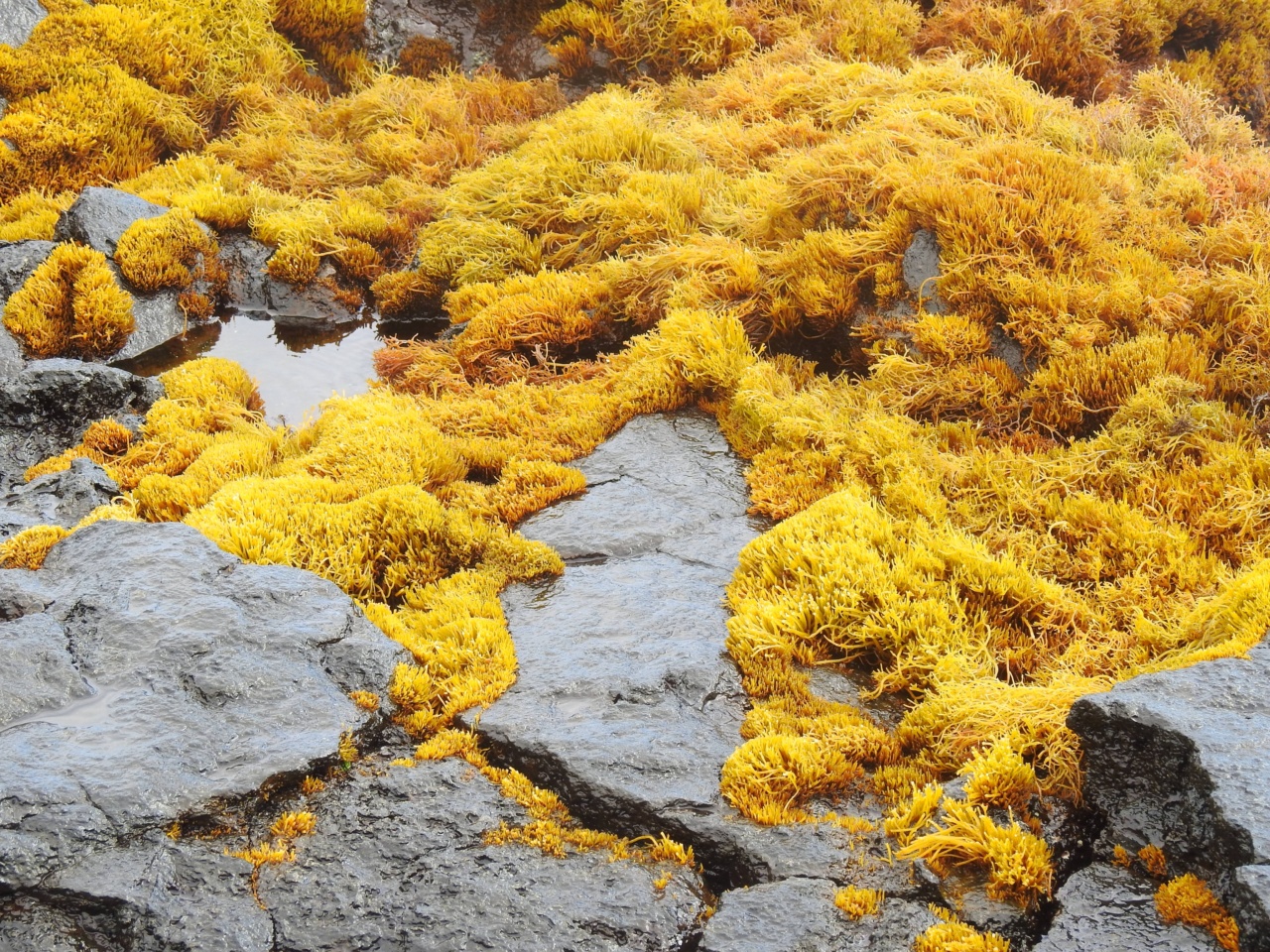
Seaweed has always been popular in Asian cuisines, but recent research revealed that it contains many more benefits than just flavor and nutrition. Scientists have discovered that seaweed can also battle antibiotic-resistant bacteria and cancer cells.
The brown-colored seaweed called Ascophyllum nodosum or knotted wrack, which is found in the Atlantic coastlines of North America and the North Sea, contains powerful anti-inflammatory and antioxidant agents, which makes it useful in medical treatments.
The Study
The study was conducted by Dr. Deniz Tasdemir and a team of researchers from Galway-Mayo Institute of Technology and the Marine Institute of Ireland. They published their findings in the Journal of Applied Phycology in May 2019.
The objective of the research was to search for new compounds that could fight multi-drug-resistant bacteria such as MRSA. They found out that seaweed contains natural chemical compounds called bromophenols, which are effective in fighting bacteria, inflammation and cancer cells.
Bromophenols Properties
Bromophenols are organic compounds that contain bromine, and are commonly found in brown seaweeds, red algae, and marine sponges. They have been known to have antibacterial, antiviral, anticancer, and anti-inflammatory properties.
The researchers extracted the bromophenols from the seaweed then tested them on various cancer cells and pathogenic bacteria. The study showed that the compounds effectively kill 98% of the MRSA strains, which is a breakthrough for the multi-drug resistant bacteria.
The team also found that the compounds killed cancer cells in a manner that was different from other anti-cancer drugs. Dr.
Tasdemir stated that the test compounds induced cell death in various ways including programmed cell death or apoptosis, necrosis, and autophagy.
Anti-Cancer Properties
Because the compounds induced cell death via multiple pathways, the researchers believed that they could overcome the drug resistance which was a common problem with other drugs.
They found out that the test compounds were also effective against leukemia cells and colon cancer cells. In addition, the compounds modulate the tumor microenvironment, making it more difficult for tumors to grow and spread.
Related Article
Seaweed algae found to be a rich source of effective medicines

Other Benefits of Sea Algae
Aside from fighting cancer cells and bacteria, seaweed has other benefits including:.
- It is an excellent source of iodine, which is essential for thyroid health.
- It contains vitamin K, calcium and magnesium which can help improve bone health.
- It contains antioxidants that protect the body from free radicals, which are harmful to our cells.
- It can aid in weight loss due to its fiber content, which makes one feel full longer, and helps in digestion and detoxification.
More Studies Needed
Despite the promising results from the research, the team acknowledged that more clinical studies were needed to prove the effectiveness of the test compounds before they can be used as drugs.
They also noted that extracts may need to be modified to increase their potency and specificity to ensure their effectiveness against bacterial cells and cancer cells. Nevertheless, the discovery of anti-cancer and antibiotic properties in seaweed is a significant milestone in modern medicine.
The Future of Seaweed Extracts
The study is an exciting development for anti-cancer and antibiotic treatments because of seaweed’s abundance, eco-friendliness, and low economic cost.
Seaweed cultivation is also sustainable and can help address the food problems of the future as it is packed with nutrients. The study has proven seaweed to be a significant resource in healthcare and targeting antibiotic-resistant strains and cancer cells.
The development of new compounds based on seaweed’s properties could revolutionize the way diseases are treated in the future.
The Bottom Line
The recent study has highlighted the potent compounds found within seaweed which has opened up infinite possibilities for human health treatments.
The use of seaweed extracts in fighting drug-resistant bacteria and multi-drug-resistant strains of cancer cells shows specific advances. Fortunately, seaweed cultivation can be done sustainably without harming the environment, and extracts can be obtained with low cost.
With such benefits, the pharmaceutical industry should explore the potential of seaweed properties as a potent tool in developing new medicines to target against life-threatening diseases like antibiotic resistance and cancer.


