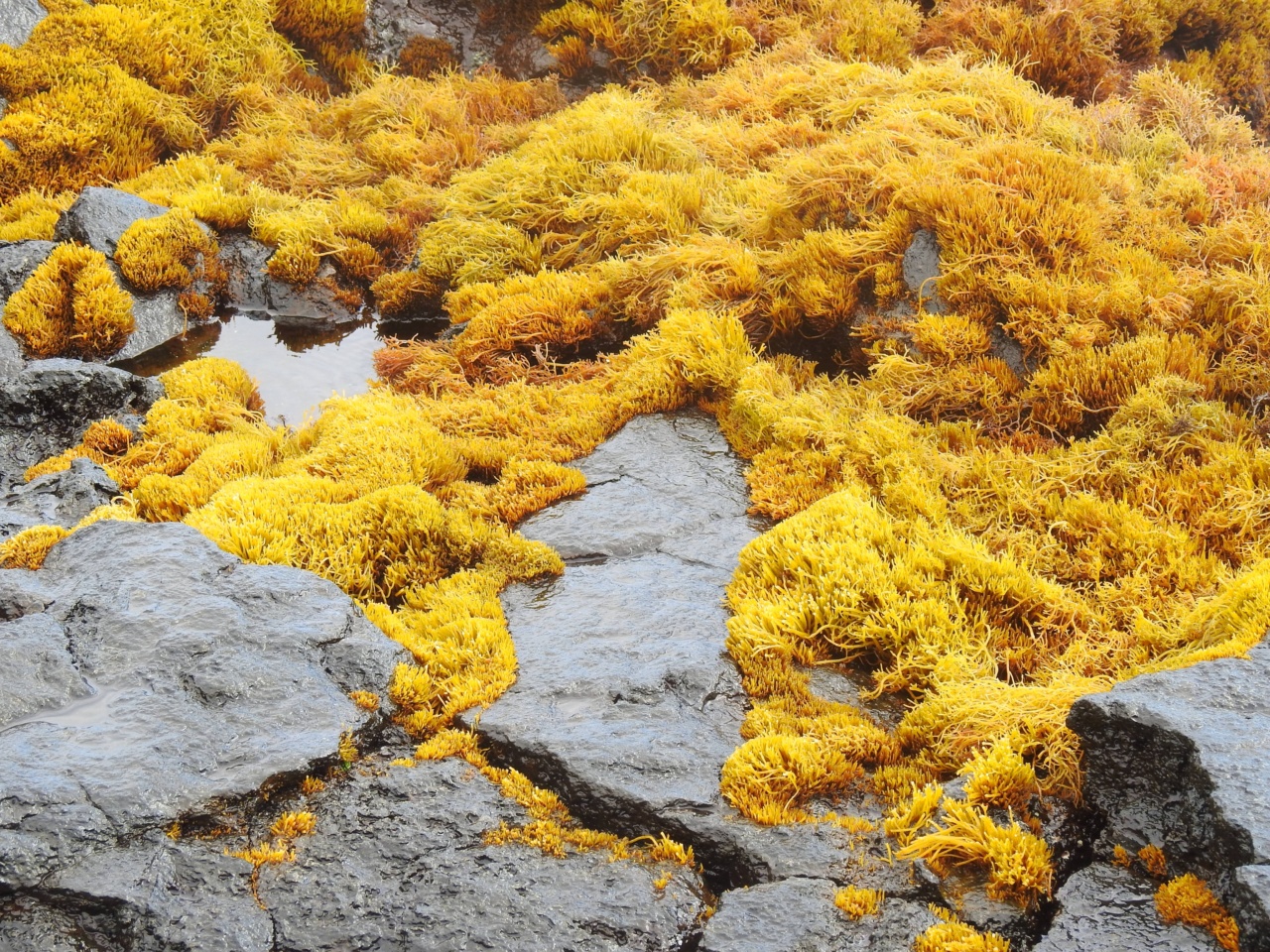
Seaweed algae, often seen as a nuisance when washed up on beaches, could hold the key to potential natural remedies for treating cancer and bacterial infections.
In recent years, scientists have been studying the medicinal properties of seaweed algae and have discovered promising compounds that could revolutionize the field of medicine.
The Power of Seaweed Algae
Seaweed algae, also known as macroalgae or marine algae, are a diverse group of simple aquatic organisms that can be found in marine environments all over the world.
They come in various shapes and sizes, ranging from small filamentous species to large kelp forests.
For centuries, seaweed algae have been used in traditional medicine systems, especially in Asian cultures. They were believed to possess various health benefits and were used as remedies for a wide range of ailments.
Modern scientific research has started to shed light on the potential therapeutic properties of seaweed algae.
Several compounds found in these algae have shown promising results in laboratory studies and clinical trials, offering hope for the development of new treatments for cancer and bacterial infections.
Anticancer Potential
One area where seaweed algae have shown great promise is in the treatment of cancer. Several studies have identified bioactive compounds in different species of seaweed algae that exhibit potent anticancer activity.
For example, researchers have found that compounds extracted from certain types of red seaweed algae have the ability to inhibit the growth of cancer cells and induce their death.
These compounds, known as sulfated polysaccharides, have been shown to have anti-tumor effects in various types of cancers, including breast, colon, and lung cancer.
In addition to sulfated polysaccharides, other compounds found in brown and green seaweed algae have also shown anticancer properties.
These compounds have been found to have the ability to suppress tumor growth, prevent the spread of cancer cells, and enhance the effectiveness of conventional cancer treatments.
Fighting Bacterial Infections
Bacterial infections pose a significant threat to human health, and the increasing prevalence of antibiotic-resistant bacteria has made it even more challenging to combat these infections effectively.
However, seaweed algae could offer a natural alternative to conventional antibiotics.
Researchers have discovered that certain compounds found in seaweed algae have potent antibacterial properties.
These compounds, known as natural antimicrobial peptides, can target and kill a wide range of bacteria, including those that are resistant to conventional antibiotics.
Related Article
Seaweed algae reveals potent antibiotics and anti-cancer properties

Moreover, seaweed algae have also been found to possess biofilm-inhibiting activity. Biofilms are protective layers formed by bacteria, making them more resistant to antibiotics.
By disrupting biofilm formation, the compounds from seaweed algae can make bacteria more susceptible to conventional antibiotics and improve their effectiveness.
Types of Seaweed Algae with Medicinal Potential
Various types of seaweed algae have been studied for their medicinal potential. Some of the most promising ones include:.
1. Undaria pinnatifida
Undaria pinnatifida, commonly known as wakame, is a type of brown seaweed algae rich in bioactive compounds. It has been found to possess antioxidant, anti-inflammatory, and anticancer properties.
2. Gracilaria spp.
Gracilaria spp. are red seaweed algae that contain sulfated polysaccharides with strong anticoagulant and anticancer activities. They have also shown potential as an antiviral treatment.
3. Fucus vesiculosus
Fucus vesiculosus, or bladderwrack, is a common brown seaweed algae found in cold coastal waters. It contains fucoidan, a compound with potent antioxidant, anti-inflammatory, and anticancer properties.
4. Codium fragile
Codium fragile, also known as dead man’s fingers, is a green seaweed algae that contains compounds with antibacterial, antifungal, and antioxidant activities. It has shown potential as an antimicrobial agent.
5. Sargassum spp.
Sargassum spp. are brown seaweed algae that exhibit antibacterial, antifungal, and antiviral properties. They have also shown potential as anti-inflammatory and antitumor agents.
Challenges and Future Research
While the medicinal potential of seaweed algae is promising, there are still several challenges that need to be addressed before they can be effectively used as natural remedies for cancer and bacterial infections.
One key challenge is the identification and isolation of bioactive compounds from seaweed algae. The chemical composition of these algae is complex, and it can be challenging to isolate specific compounds responsible for their therapeutic effects.
Another challenge is the standardization of extracts and formulation of seaweed-based treatments. Dosage, safety, and efficacy need to be carefully determined to ensure the development of effective and safe treatments.
Future research should focus on exploring the full potential of seaweed algae in different disease contexts and improving our understanding of their mechanisms of action.
Collaboration between scientists, pharmacologists, and marine biologists will be vital in translating the scientific findings into practical applications.
Conclusion
Seaweed algae are proving to be a valuable source of natural remedies for treating cancer and bacterial infections. Their bioactive compounds have shown promising results in laboratory studies and may offer a new and effective approach to medicine.
Further research and development are needed to fully harness the potential of these natural remedies.
With continued scientific investigation, seaweed algae could become the next frontier in the search for effective and sustainable treatments for cancer and bacterial infections.


