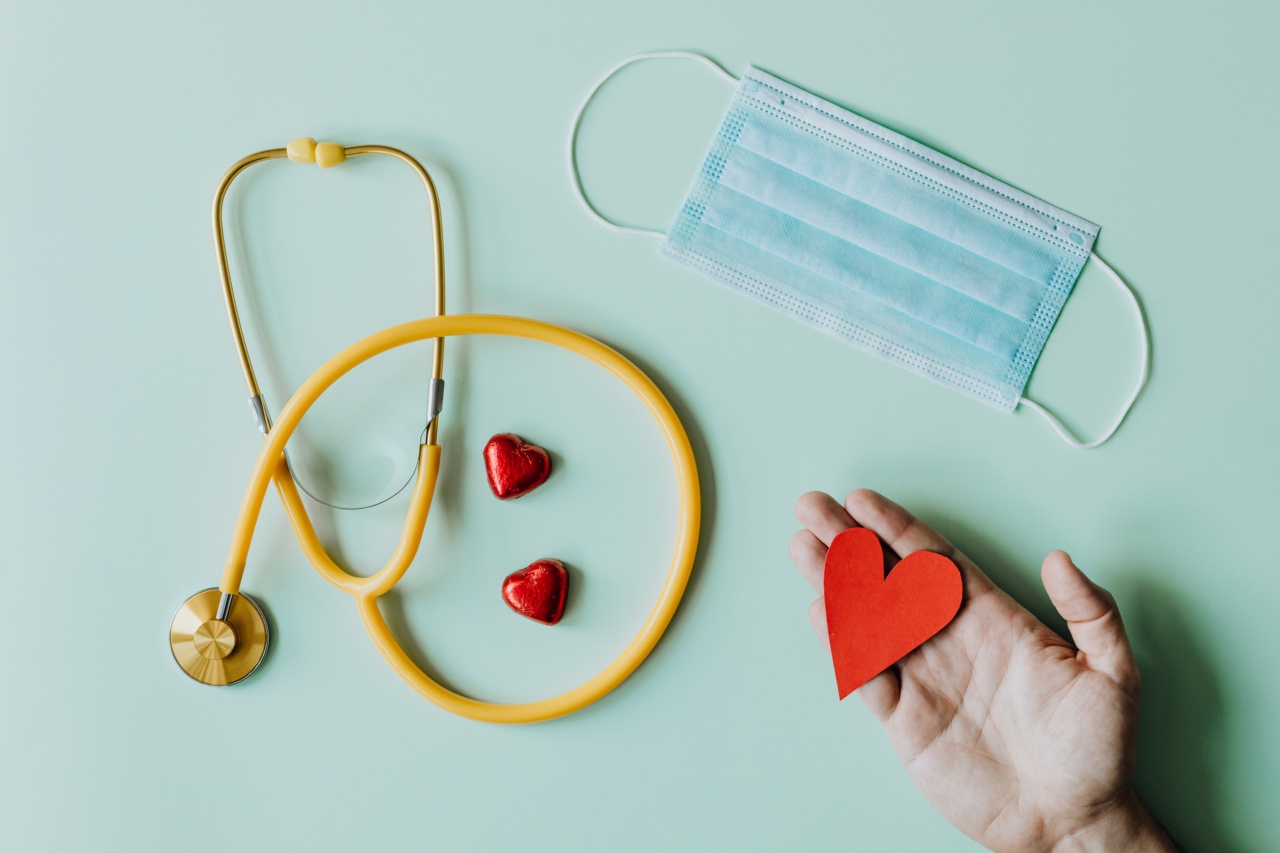
Heart attack is a deadly condition that can happen to anyone, at any time. It’s caused by a blockage in one or more of the coronary arteries that supply blood and oxygen to the heart muscle.
The blockage is usually a buildup of plaque which can rupture, leading to a blood clot that can completely block the artery, depriving the heart of the blood and oxygen it needs to function properly. There are many ways to prevent heart attacks, and in this article, we will be discussing 30 of them.
1. Quit Smoking
Smoking is one of the major risk factors for heart attack, and the best way to prevent one is to quit smoking.
Smoking increases your heart rate, raises your blood pressure, constricts your arteries, and accelerates the buildup of plaque in your arteries. The longer you smoke, the greater your risk of heart attack. Talk to your doctor about the best ways to quit.
2. Eat a Healthy Diet
A healthy diet is essential for preventing heart attack. This means eating plenty of fruits and vegetables, whole grains, lean protein, and healthy fats. Avoid foods high in saturated and trans fats, salt, and added sugars.
Pay attention to portion sizes and limit your intake of alcohol.
3. Exercise Regularly
Regular physical activity is one of the best ways to prevent heart attack. Aim for at least 30 minutes of moderate-intensity aerobic exercise five days a week, or 150 minutes per week.
This can include brisk walking, cycling, swimming, or any other activity that gets your heart rate up.
4. Manage Stress
Stress can increase your risk of heart attack by causing your body to release hormones that can raise your blood pressure and heart rate. Find healthy ways to manage stress such as yoga, meditation, deep breathing, or talking to a therapist.
5. Control Your Blood Pressure
High blood pressure is one of the leading risk factors for heart attack. Work with your doctor to control your blood pressure through lifestyle changes such as diet and exercise, and medication if needed.
6. Keep Your Cholesterol in Check
High cholesterol levels can contribute to the buildup of plaque in your arteries that can lead to a heart attack.
Make sure to get your cholesterol levels checked regularly and take steps to keep them in a healthy range through diet and medication if needed.
7. Maintain a Healthy Weight
Being overweight or obese can increase your risk of heart attack. Aim for a healthy weight through a combination of diet and exercise.
8. Get Enough Sleep
Getting enough sleep is essential for both physical and mental health. Chronic sleep deprivation can increase your risk of heart attack, so aim for 7-9 hours of sleep per night.
9. Limit Alcohol Consumption
Excessive alcohol consumption can raise your blood pressure and increase your risk of heart attack. Limit your alcohol intake to one or two drinks per day.
10. Avoid Illicit Drugs
Illicit drugs such as cocaine and amphetamines can increase your risk of heart attack. Avoid using these drugs and seek help if you have a problem with drug abuse.
11. Manage Diabetes
People with diabetes are at increased risk for heart attack. Work with your doctor to manage your diabetes through diet, exercise, and medication if needed.
12. Take Aspirin
Aspirin can help prevent heart attacks in people who are at high risk. Talk to your doctor about whether aspirin therapy is right for you.
Related Article
Top tips for avoiding heart disease

13. Get Vaccinated
The flu and pneumonia can increase your risk of heart attack. Get vaccinated against both.
14. Get Regular Check-ups
Regular check-ups with your doctor are essential for maintaining good health and preventing heart attack. Make sure to get your blood pressure, cholesterol, and other important health markers checked regularly.
15. Know Your Family History
Heart attack can run in families. Knowing your family history can help you identify your own risk factors and take steps to prevent heart attack.
16. Keep Your Teeth and Gums Healthy
There is a link between gum disease and heart attack. Keep your teeth and gums healthy through regular dental check-ups and good oral hygiene.
17. Check Your Medications
Some medications can increase your risk of heart attack. Talk to your doctor about whether your medications are safe and effective, and make sure to follow all instructions for use.
18. Watch Your Sodium Intake
Excess salt can raise your blood pressure and increase your risk of heart attack. Limit your sodium intake and choose low-sodium foods whenever possible.
19. Eat Foods Rich in Omega-3 Fatty Acids
Omega-3 fatty acids can help lower your risk of heart attack by reducing inflammation and improving cholesterol levels. Eat foods such as fatty fish, flaxseed, and walnuts which are rich in omega-3s.
20. Practice Safe Sex
Unsafe sex can increase your risk of sexually transmitted infections, some of which can increase your risk of heart attack. Practice safe sex and get tested for STIs regularly.
21. Wear Your Seatbelt
Wearing your seatbelt can protect you from injury and reduce your risk of heart attack in the event of a car accident.
22. Avoid Exhaustion
Exhaustion and overexertion can increase your risk of heart attack. Rest when you need to and avoid pushing yourself too hard.
23. Be Careful with Supplements
Some supplements can interact with medications and increase your risk of heart attack. Talk to your doctor before taking any supplements.
24. Avoid Infections
Infections such as pneumonia and the flu can increase your risk of heart attack. Avoid exposure to infections and practice good hygiene to reduce your risk.
25. Stay Hydrated
Dehydration can raise your heart rate and blood pressure and increase your risk of heart attack. Make sure to stay hydrated by drinking plenty of water.
26. Be Prepared for Emergencies
Know the signs and symptoms of heart attack and have an emergency plan in place.
27. Get Help for Depression
Depression can increase your risk of heart attack. Seek help if you are struggling with depression or other mental health issues.
28. Stay Active During the Day
Sitting for prolonged periods can increase your risk of heart attack. Take breaks and stay active throughout the day.
29. Know the Warning Signs
The warning signs of heart attack include chest pain or discomfort, shortness of breath, nausea, lightheadedness, and discomfort in other parts of the upper body. Know the warning signs and seek medical help right away if you experience them.
30. Be Proactive
The best way to prevent heart attack is to be proactive about your health. Take steps to manage your risk factors and make healthy lifestyle choices.


