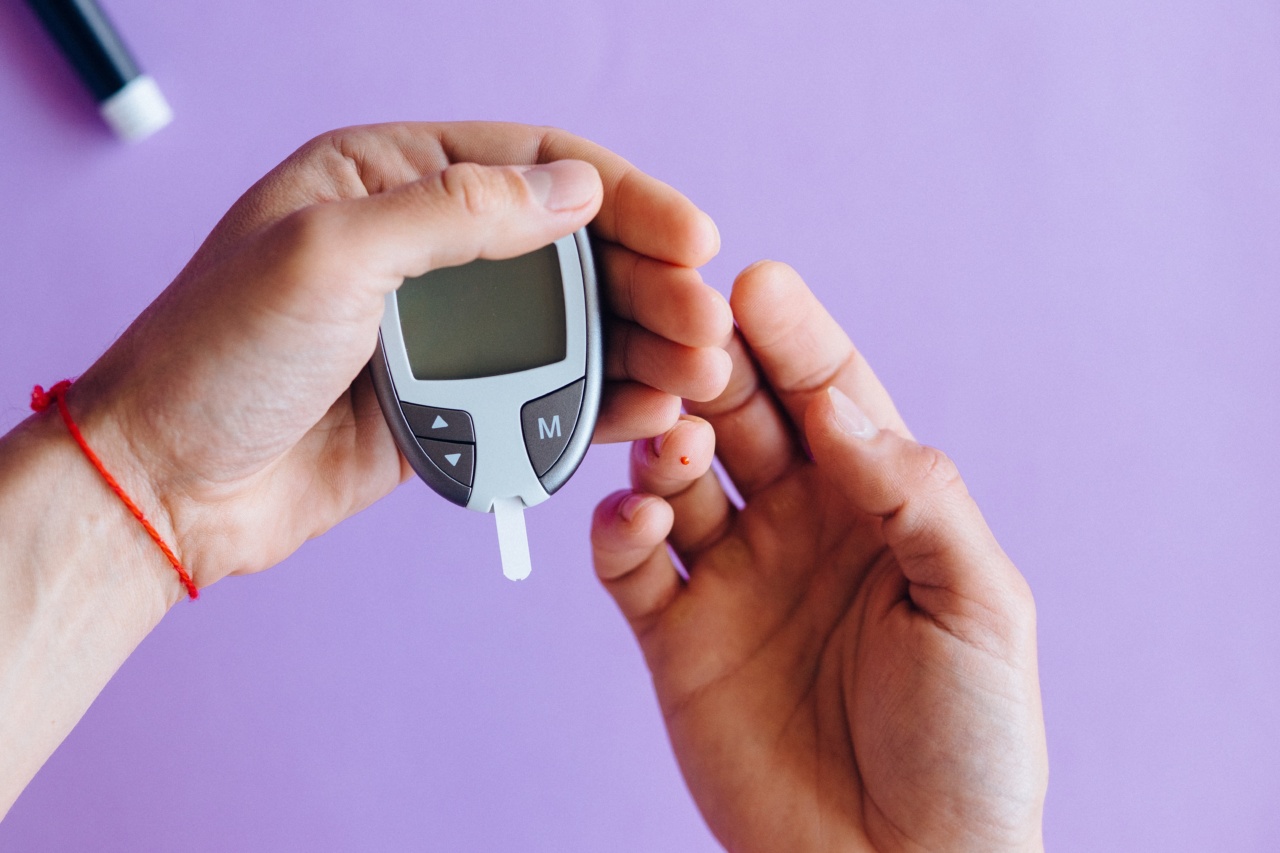
Diabetes is a chronic disease that affects the way your body processes blood sugar (glucose). Glucose is an essential source of energy for your body, and insulin, a hormone produced by the pancreas, helps with its regulation.
In individuals with diabetes, either the body does not produce enough insulin or cannot effectively use the insulin it produces. This results in elevated levels of glucose in the blood, leading to various health complications if left unmanaged.
The Importance of Assessing Your Diabetes Risk
Assessing your diabetes risk is vital for early detection and prevention. Diabetes is a progressive disease, and early intervention can significantly improve outcomes and quality of life.
By knowing your risk factors, you can make informed decisions about lifestyle changes, potentially reducing your chances of developing diabetes.
Factors that Contribute to Diabetes
Several factors contribute to an individual’s risk of developing diabetes. By understanding these factors, you can gain insight into your own risk level:.
1. Family History
If you have a close family member, such as a parent or sibling, with diabetes, your risk of developing the disease increases. Take note of your family history and discuss it with your healthcare provider.
2. Age
As you grow older, your risk of diabetes increases. This is partially due to the natural aging process and lifestyle changes that may occur over time.
However, diabetes is not exclusively an older adult’s disease, as it can also affect younger individuals.
3. Weight
Being overweight or obese significantly raises your risk of developing diabetes. Adipose tissue (fat cells) contribute to insulin resistance, making it more challenging for the body to regulate blood sugar levels.
4. Sedentary Lifestyle
Lack of physical activity and a sedentary lifestyle contribute to the development of diabetes. Regular exercise helps your body properly utilize insulin and maintain healthy blood sugar levels.
5. Unhealthy Diet
A diet high in processed foods, sugary drinks, and unhealthy fats increases the risk of diabetes. Opting for a balanced diet rich in fruits, vegetables, whole grains, and lean proteins can lower your risk.
6. Gestational Diabetes
Women who experienced gestational diabetes during pregnancy have an increased risk of developing type 2 diabetes later in life. Regular monitoring and lifestyle modifications can help prevent or delay the onset of diabetes.
7. Ethnicity
Certain ethnicities, such as African Americans, Hispanics, Native Americans, and Asians, have a higher predisposition to developing diabetes.
This does not mean that other ethnicities are exempt from risk, but it highlights the importance of personalized risk assessment.
8. High Blood Pressure
Individuals with hypertension (high blood pressure) have an elevated risk of developing diabetes. Regular monitoring of blood pressure levels and appropriate management can help lower the risk.
9. Abnormal Cholesterol Levels
Having abnormal levels of cholesterol, such as high LDL (“bad” cholesterol) and low HDL (“good” cholesterol), increases the risk of developing diabetes.
Lifestyle modifications and medication, if necessary, can help maintain healthy lipid profiles.
10. Smoking
Smoking not only increases the risk of cardiovascular diseases but also contributes to the development of diabetes. Quitting smoking can significantly improve your overall health and reduce your diabetes risk.
Assess Your Diabetes Risk with the Quick Count
Answer the following questions considering your own health and lifestyle to get a quick assessment of your diabetes risk:.
1. Do you have any immediate relatives with diabetes (parent, sibling)?
Yes / No.
2. What is your age range?
Under 18 / 18-40 / 41-60 / 61+.
3. What is your current weight status?
Normal Weight / Overweight / Obese.
4. How often do you engage in physical activity?
Rarely / Occasionally / Regularly.
5. Describe your typical diet:
A. High in processed foods and sugary drinks
B. Balanced with a variety of fruits, vegetables, whole grains, and lean proteins
C. Mostly composed of whole foods, including fresh produce, whole grains, and lean proteins.
6. Did you experience gestational diabetes during any pregnancies?
Yes / No.
7. What is your ethnicity?
A. African American
B. Hispanic
C. Native American
D. Asian
E. Other.
8. Do you have high blood pressure?
Yes / No.
9. Have you been diagnosed with abnormal cholesterol levels?
Yes / No.
Related Article
Check if you are at risk of developing diabetes

10. Do you smoke?
Yes / No.
Evaluating Your Risk:
For each “Yes” answer, assign 1 point:.
Question 1: ______ points.
Question 2: ______ points.
Question 3: ______ points.
Question 4: ______ points.
Question 5: A – 3 points, B – 1 point, C – 0 points.
Question 6: ______ points.
Question 7: A – 1 point, B – 1 point, C – 1 point, D – 1 point, E – 0 points.
Question 8: ______ points.
Question 9: ______ points.
Question 10: ______ points.
Interpreting Your Score:
Add up your points to evaluate your overall risk of developing diabetes. The higher your score, the greater your risk.
0-2 points: Low risk.
3-6 points: Moderate risk.
7-10 points: High risk.
Prevention and Management of Diabetes
If you are at risk of developing diabetes, there are several steps you can take to prevent or manage the condition:.
1. Maintain a Healthy Weight
Losing excess weight and maintaining a healthy weight can significantly reduce your risk of developing diabetes. Incorporate regular exercise and a balanced diet into your lifestyle to achieve and sustain a healthy weight.
2. Engage in Regular Physical Activity
Physical activity improves insulin sensitivity and helps regulate blood sugar levels. Aim for at least 150 minutes of moderate-intensity aerobic exercise per week, such as brisk walking or cycling.
3. Follow a Balanced Diet
Adopt a diet rich in fruits, vegetables, whole grains, and lean proteins. Limit your intake of processed foods, sugary drinks, and unhealthy fats. Consider consulting a registered dietitian for personalized dietary recommendations.
4. Get Regular Health Check-ups
Regular check-ups with your healthcare provider can help monitor your blood sugar levels, blood pressure, and cholesterol. Early detection and intervention are crucial in managing diabetes and preventing complications.
5. Quit Smoking
Smoking contributes to numerous health problems, including diabetes. Seek support from healthcare professionals or smoking cessation programs to quit smoking and improve your overall health.
6. Manage Stress Levels
Chronic stress can impact blood sugar levels and increase the risk of developing diabetes. Incorporate stress management techniques, such as exercise, meditation, or hobbies, into your daily routine.
7. Educate Yourself
Learn more about diabetes, its risk factors, and management strategies. Attend educational workshops, read reputable sources, and engage with healthcare professionals to ensure you have up-to-date information.
Consult a Healthcare Professional
While this quick assessment provides a general idea of your diabetes risk, it is crucial to consult a healthcare professional for a comprehensive evaluation.
They can take into account your medical history, conduct appropriate tests, and provide personalized guidance based on your specific circumstances.
In Conclusion
Assessing your diabetes risk empowers you to make proactive choices regarding your health. By recognizing the contributing factors and taking appropriate preventive measures, you can significantly reduce your risk of developing diabetes.
Remember, early detection, regular monitoring, and healthy lifestyle choices are essential in the prevention and management of diabetes.


