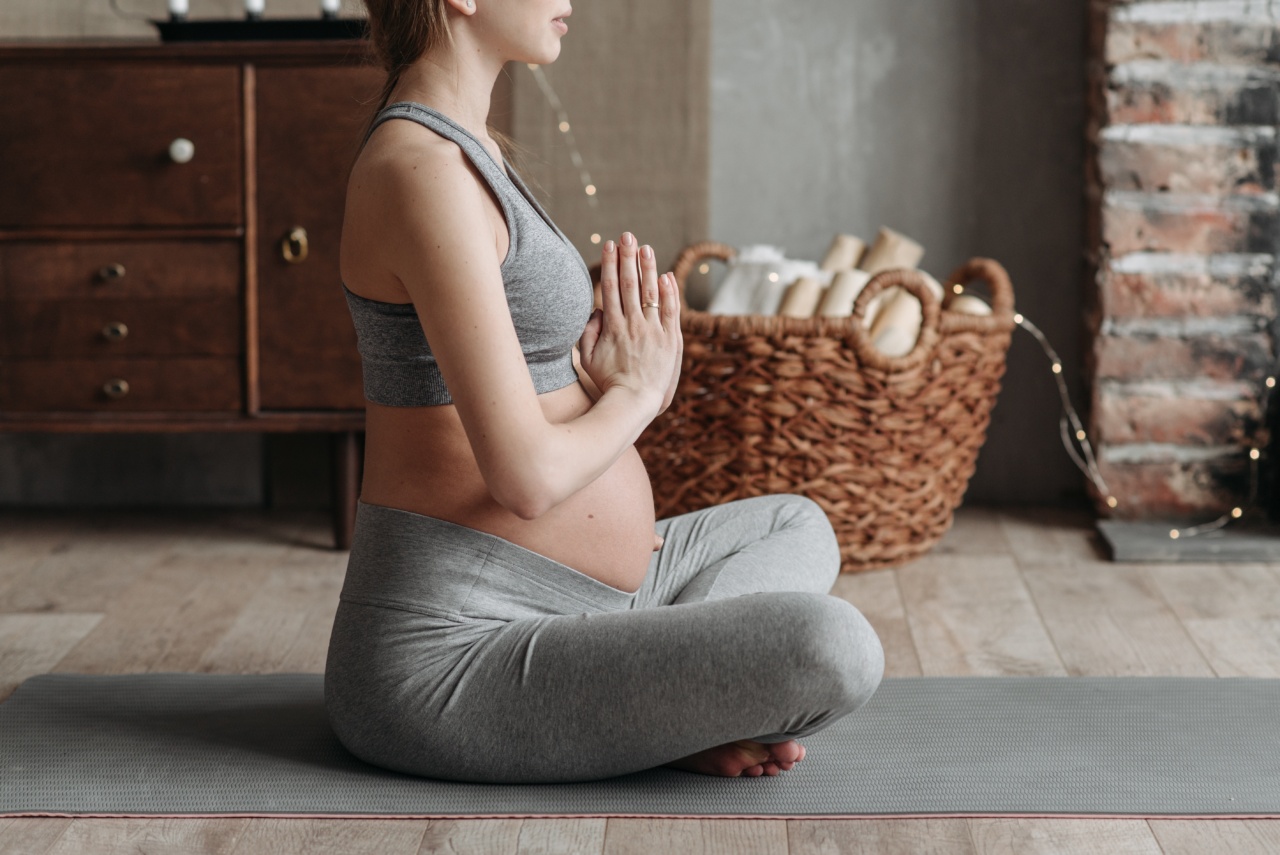
Pregnancy is a transformative and beautiful phase in a woman’s life. Along with the joy and excitement of expecting a baby, it also brings numerous physical and emotional changes.
It is essential for expectant mothers to maintain good physical and mental health throughout their pregnancy. One way to achieve this is through regular exercise, including breathing exercises specifically designed for pregnant women. These exercises can help expecting mothers relax, manage pain, and prepare for labor and delivery.
In this article, we will explore ten effective breathing exercises for pregnant women.
1. Deep Belly Breathing
Deep belly breathing, also known as diaphragmatic breathing, is a fundamental technique for relaxation and stress reduction. It helps increase oxygen flow to both the mother and the baby, promoting a sense of calmness and reducing anxiety.
To practice deep belly breathing, find a comfortable seated or lying-down position. Place one hand on your chest and the other on your belly. Inhale deeply through your nose, allowing your belly to rise while keeping your chest relatively still. Exhale through your mouth, gently contracting your abdominal muscles.
Repeat this cycle for several minutes.
2. 4-7-8 Breathing
4-7-8 breathing is an excellent technique for managing stress and anxiety during pregnancy. It helps promote relaxation by slowing down the heart rate and calming the nervous system. To practice 4-7-8 breathing, sit or lie in a comfortable position.
Close your eyes and exhale completely through your mouth. Then, inhale quietly through your nose to a mental count of four. Hold your breath for a count of seven. Finally, exhale completely through your mouth to a count of eight. Repeat this cycle at least four times, or until you feel deep relaxation.
3. Alternate Nostril Breathing
Alternate nostril breathing, or Nadi Shodhana, is a popular breathing exercise in yoga. It helps balance the energy channels in your body and promotes a peaceful state of mind.
To practice alternate nostril breathing, sit comfortably with your spine straight. Close your eyes and relax your shoulders. Using your right hand, place your thumb on your right nostril and your ring finger on your left nostril. Close the right nostril with your thumb and inhale through the left nostril.
Close the left nostril with your ring finger and exhale through the right nostril. Repeat this pattern for several minutes, alternating the nostrils.
4. Counted Breathing
Counted breathing is a simple and effective technique to relax your mind and body. It allows you to focus on your breath and distract yourself from any discomfort or stress. To practice counted breathing, find a quiet and comfortable space.
Close your eyes and take a deep breath in through your nose to a slow count of four. Hold your breath for another count of four. Then, exhale slowly through your mouth to the same count of four. Pause for a count of four before taking the next breath. Repeat this cycle for a few minutes, gradually increasing the count if comfortable.
5. Ujjayi Breathing
Ujjayi breathing, also known as “ocean breath,” is a deep and calming technique often used in yoga. It helps increase circulation, calm the mind, and relieve tension.
To practice ujjayi breathing, find a comfortable seated position with your spine straight. Take a deep breath in through your nose while slightly constricting the back of your throat, creating a gentle “haa” sound. Exhale through your nose, constricting your throat to produce the same “haa” sound.
Focus on the audible breath and the sensation of the air passing through your throat. Repeat for several minutes.
Related Article
Yoga breathing techniques during pregnancy

6. Square Breathing
Square breathing, also known as box breathing, is a technique that helps regulate and balance the breath. It can be particularly useful for reducing anxiety and stress during pregnancy.
To practice square breathing, find a comfortable position and close your eyes. Inhale deeply through your nose to a count of four. Hold your breath for another count of four. Exhale slowly through your nose to the same count of four. Finally, hold your breath out for the count of four.
Repeat this cycle for several minutes or until you feel calm and centered.
7. Cooling Breath
The cooling breath, also called Shitali Pranayama, is a breathing exercise that helps cool and relax the body. It can be beneficial if you experience hot flashes or if the weather is excessively warm.
To practice the cooling breath, sit comfortably with your spine straight. Relax your shoulders and close your eyes. Roll your tongue into a tube shape or purse your lips together. Inhale slowly through the mouth, feeling the cool air against your tongue/lips. Exhale gently through your nose.
Repeat for several breaths or until you feel cool and refreshed.
8. Lion’s Breath
Lion’s breath is an energizing and empowering breathing exercise that helps release tension and reduce stress. It can be particularly beneficial during moments of frustration or when you need an energy boost.
To practice lion’s breath, sit comfortably with your spine straight. Inhale deeply through your nose, and as you exhale, open your mouth wide while sticking out your tongue. While exhaling forcefully, make a “haa” sound from the back of your throat.
Imagine you are releasing any tension, negativity, or frustration with each breath. Repeat for several rounds.
9. Pursed Lip Breathing
Pursed lip breathing is a technique that helps control the pace of your breath and encourages relaxation. It is especially useful during moments of shortness of breath or when you need to calm down quickly.
To practice pursed lip breathing, sit in a comfortable position and relax your shoulders. Inhale slowly through your nose to a comfortable count. Then, purse your lips as if you are blowing out a candle and exhale gently through your mouth. Make your exhale twice as long as your inhale, if possible.
Repeat this pattern for several breaths or until you feel calmer.
10. Guided Visualization Breathing
Guided visualization breathing combines deep breathing techniques with the power of imagination. It helps create a sense of peace and relaxation by visualizing peaceful and serene surroundings.
To practice guided visualization breathing, find a quiet and comfortable space. Close your eyes and take a few deep breaths to relax your body and mind. Imagine yourself in a beautiful, tranquil place, such as a serene beach or a peaceful garden. As you inhale, imagine breathing in positive energy and peacefulness.
As you exhale, imagine releasing any worries or tension. Continue this practice for several minutes, immersing yourself fully in the calming visualization.


