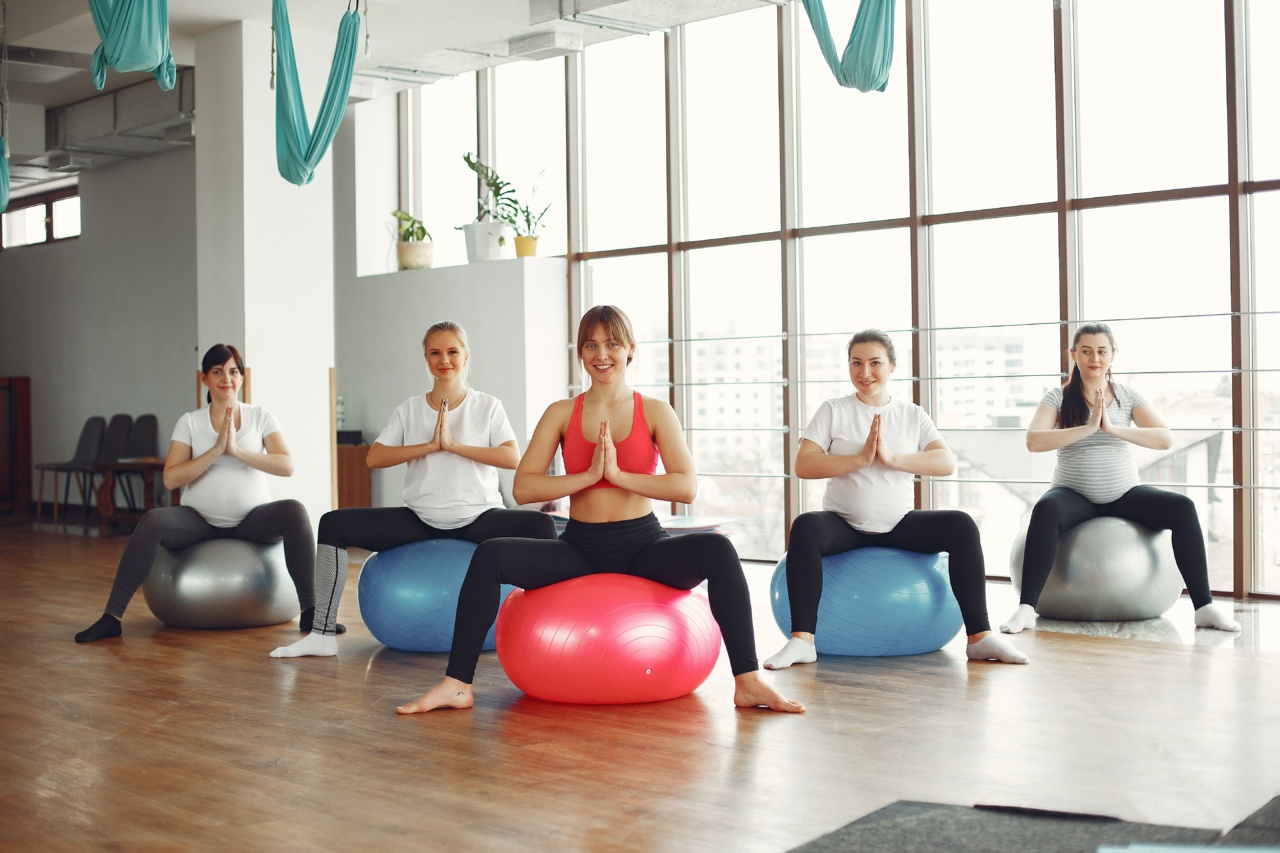
Pregnancy is a time of great change and transformation, both physically and mentally. While expectant mothers are busy preparing for the arrival of their little one, it’s important not to forget to take care of themselves as well.
One way to do so is by practicing pranayama, a deep breathing technique that can help reduce stress, increase energy, and provide relaxation. Let’s dive into the benefits and best practices of pranayama during pregnancy.
Breathing Techniques for Pregnancy
There are several different pranayama breathing techniques that can be practiced during pregnancy:.
Ujjayi Breath
Ujjayi breath is a deep inhale and exhale through the nose that creates a soothing sound in the throat. This breath can help calm the mind and reduce stress.
Nadi Shodhana
Nadi Shodhana, also known as alternate nostril breathing, involves breathing in through one nostril and out through the other nostril, alternating sides. This technique can help balance the body and mind, as well as increase lung capacity.
Bhramari
Bhramari, or humming bee breath, involves inhaling deeply and exhaling while making a humming sound. This technique can help reduce anxiety and calm the mind.
Kapalabhati
Kapalabhati, or skull-shining breath, involves short, forceful exhales through the nose while pulling in the abdominal muscles. This breath can help energize the body and improve digestion.
Benefits of Pranayama During Pregnancy
Practicing pranayama during pregnancy can bring several benefits:.
Reduces Stress
Pregnancy can be a stressful time, but pranayama can help reduce anxiety and calm the mind. It can also improve sleep quality.
Increase Energy
Deep breathing practices can improve oxygen flow and increase energy levels, which can be especially helpful during the fatigue of pregnancy.
Related Article
Yoga breathing techniques during pregnancy

Promotes Relaxation
The relaxation response that pranayama breaths induce can be beneficial in helping to reduce tension, relax muscles, and lower the heart rate.
Regulate Blood Pressure
Practicing pranayama regularly can keep blood pressure levels in check, which can be essential during pregnancy when the risk of hypertension is higher.
Improve Lung Capacity
Breathing techniques can improve lung capacity and develop good breathing patterns which can help during delivery.
Cautions of Pranayama
It’s essential to practice pranayama techniques mindfully and with care during pregnancy, especially if you are new to yoga. Some general precautions to take are:.
Avoid Hot Yoga
Avoiding hot yoga is essential as it could lead to dehydration, overheating, and can cause the risk of miscarriage in the first trimester.
Be Gentle
Avoid any forceful breathing and stick with gentle and easy pranayama techniques.
Avoid Breath Retention
Avoid holding your breath for an extended period and make sure to breathe evenly through your exercises.
Consult your Doctor
It’s best to speak to your doctor before starting any new exercises or pranayama techniques, especially if you have high blood pressure or experience discomfort during your pregnancy.
In Conclusion
Practicing pranayama during pregnancy can bring several benefits, including reducing stress and increasing energy.
However, it’s essential to be cautious and consult your doctor before starting any pranayama or yoga exercises during your pregnancy. With proper guidance and care, pranayama can help you achieve relaxation and adapt to the physical and emotional changes of pregnancy.


