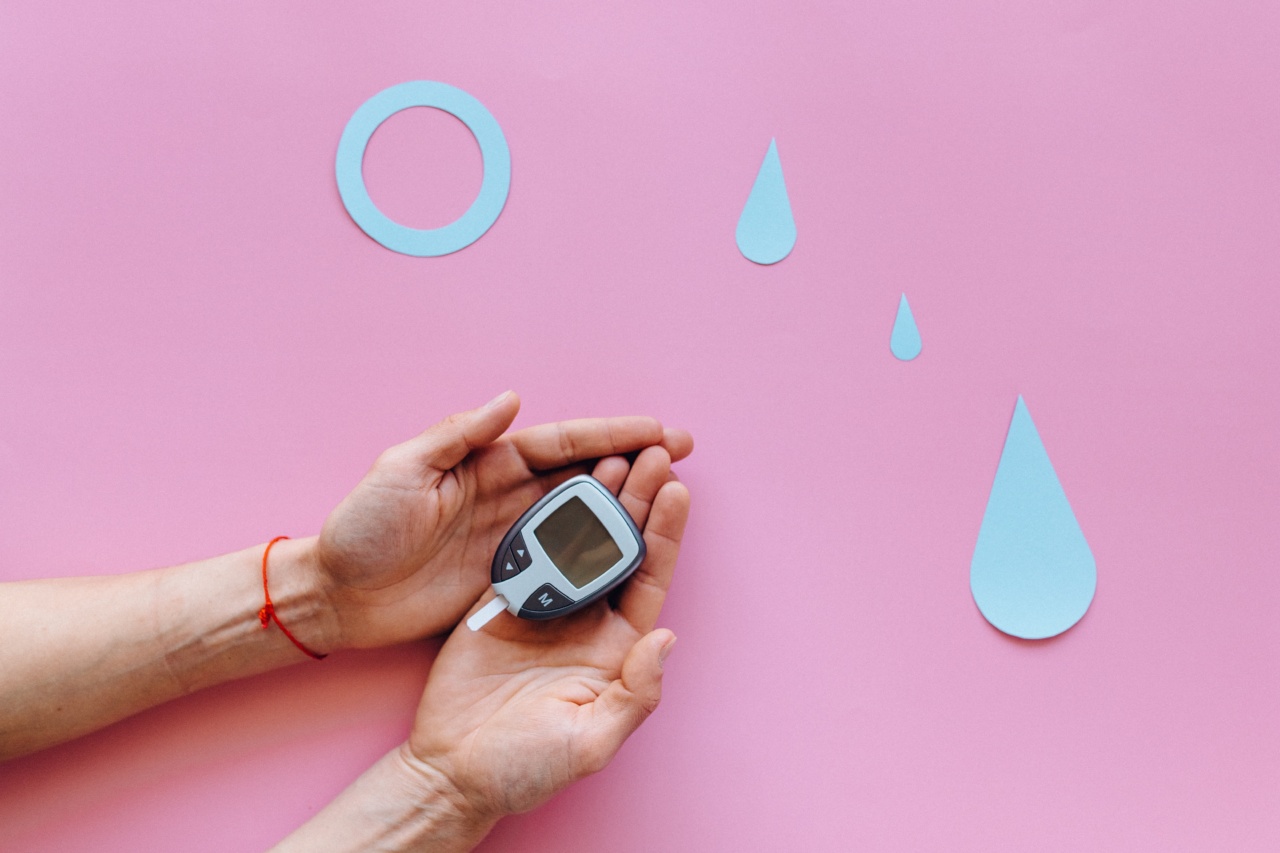
High blood pressure, also known as hypertension, is a common condition that affects millions of people worldwide.
It is often referred to as the “silent killer” because it typically has no symptoms but can lead to serious health complications such as heart disease, stroke, and kidney problems. However, with the right diet and lifestyle changes, it is possible to manage and even lower blood pressure levels.
In this article, we will explore the American Cardiology Company’s High Blood Pressure Diet Plan, which is designed to promote heart health and manage hypertension.
Understanding High Blood Pressure
Before we delve into the specifics of the American Cardiology Company’s diet plan, let’s take a moment to understand high blood pressure.
Blood pressure is the force of blood against the walls of your arteries as your heart pumps it around your body. It is measured in millimeters of mercury (mmHg) and expressed as two numbers: systolic pressure over diastolic pressure.
The systolic pressure represents the force when your heart beats, while the diastolic pressure is the force when your heart is at rest between beats.
Normal blood pressure is generally considered to be around 120/80 mmHg. However, anything above this range is considered elevated and can increase the risk of developing heart disease or stroke.
High blood pressure is defined as having consistent readings of 130/80 mmHg or higher.
The Impact of Diet on Blood Pressure
Your diet plays a crucial role in managing high blood pressure. The foods you eat can either contribute to or help reduce hypertension.
The American Cardiology Company’s High Blood Pressure Diet Plan focuses on incorporating heart-healthy foods while limiting those that can negatively impact blood pressure levels.
1. Increase your Intake of Fruits and Vegetables
Fruits and vegetables are rich in essential nutrients, including vitamins, minerals, and antioxidants. They are low in sodium and high in potassium, a mineral that helps regulate blood pressure.
The American Cardiology Company recommends aiming for at least five servings of fruits and vegetables daily. Make it a goal to include a colorful variety to maximize the benefits.
2. Choose Whole Grains over Refined Grains
When it comes to grains, opt for whole grains rather than refined grains. Whole grains, such as whole wheat, brown rice, and oats, retain their natural fiber, which is beneficial for heart health. Fiber helps lower blood pressure and cholesterol levels.
Refined grains, on the other hand, have been processed, stripping them of their valuable nutrients and fiber.
3. Incorporate Lean Proteins
Protein is an essential component of any diet, but it’s important to choose lean sources of protein. These include skinless poultry, fish, beans, legumes, and low-fat dairy products.
Lean proteins are low in saturated fat, which can contribute to high cholesterol and blood pressure levels. Avoid processed meats, as they are typically high in sodium and unhealthy fats.
4. Limit Sodium and Added Sugars
Sodium and added sugars are two culprits that can significantly raise blood pressure. The American Cardiology Company recommends keeping sodium intake to less than 1,500 mg per day.
Related Article
Lower Your Blood Pressure: The American Cardiology Company’s Recommended Diet

High-sodium foods to avoid or limit include processed meats, canned soups, fast food, and packaged snacks. Additionally, cutting back on added sugars can help lower blood pressure and reduce the risk of weight gain and obesity.
5. Embrace Healthy Fats
Not all fats are bad for your heart. Healthy fats, such as those found in avocados, nuts, seeds, and olive oil, have been shown to have a positive impact on blood pressure.
These fats are monounsaturated and polyunsaturated fats that can help lower bad cholesterol levels and reduce inflammation. However, it’s important to consume them in moderation as they are still high in calories.
6. Moderate Alcohol Consumption
Excessive alcohol consumption can raise blood pressure and lead to other health problems. To promote heart health, it is recommended to drink alcohol in moderation. This means up to one drink per day for women and up to two drinks per day for men.
However, if you have high blood pressure or other health complications, it may be best to avoid alcohol altogether. Always consult with your healthcare provider for personalized advice.
7. Keep Hydrated with Water
Staying adequately hydrated can support healthy blood pressure levels. Water is the best choice as it contains no calories or additives.
A good rule of thumb is to drink at least eight glasses of water per day, or more if you live in a hot climate or participate in physical activities that cause sweating. Avoid sugary beverages and excessive caffeine, as they can both have negative effects on blood pressure.
8. Stay Active
Regular physical activity is not only important for maintaining a healthy weight but can also help manage high blood pressure.
Aim for at least 150 minutes of moderate-intensity aerobic exercise per week, such as brisk walking, swimming, cycling, or dancing. Additionally, incorporate strength training exercises twice a week to further enhance cardiovascular health.
9. Practice Portion Control
Controlling portion sizes is crucial for managing blood pressure and promoting overall heart health. Even nutritious foods can contribute to weight gain and high blood pressure if consumed in excess.
Use smaller plates, bowls, and cups to visually trick your mind into thinking you’re eating more. Pay attention to your body’s hunger and fullness cues to avoid overeating.
10. Monitor Your Blood Pressure
Regular monitoring of your blood pressure is essential to track your progress and make necessary adjustments to your diet and lifestyle. Invest in a home blood pressure monitor to check your blood pressure at different times of the day.
This information can be valuable when discussing your progress with your healthcare provider.
Conclusion
The American Cardiology Company’s High Blood Pressure Diet Plan offers a comprehensive approach to managing hypertension and promoting heart health.
By incorporating a variety of fruits, vegetables, whole grains, lean proteins, and healthy fats while limiting sodium and added sugars, you can take control of your blood pressure. Remember to stay hydrated, engage in regular physical activity, practice portion control, and monitor your blood pressure regularly.
Always consult with your healthcare provider or a registered dietitian for personalized advice based on your individual health needs.


