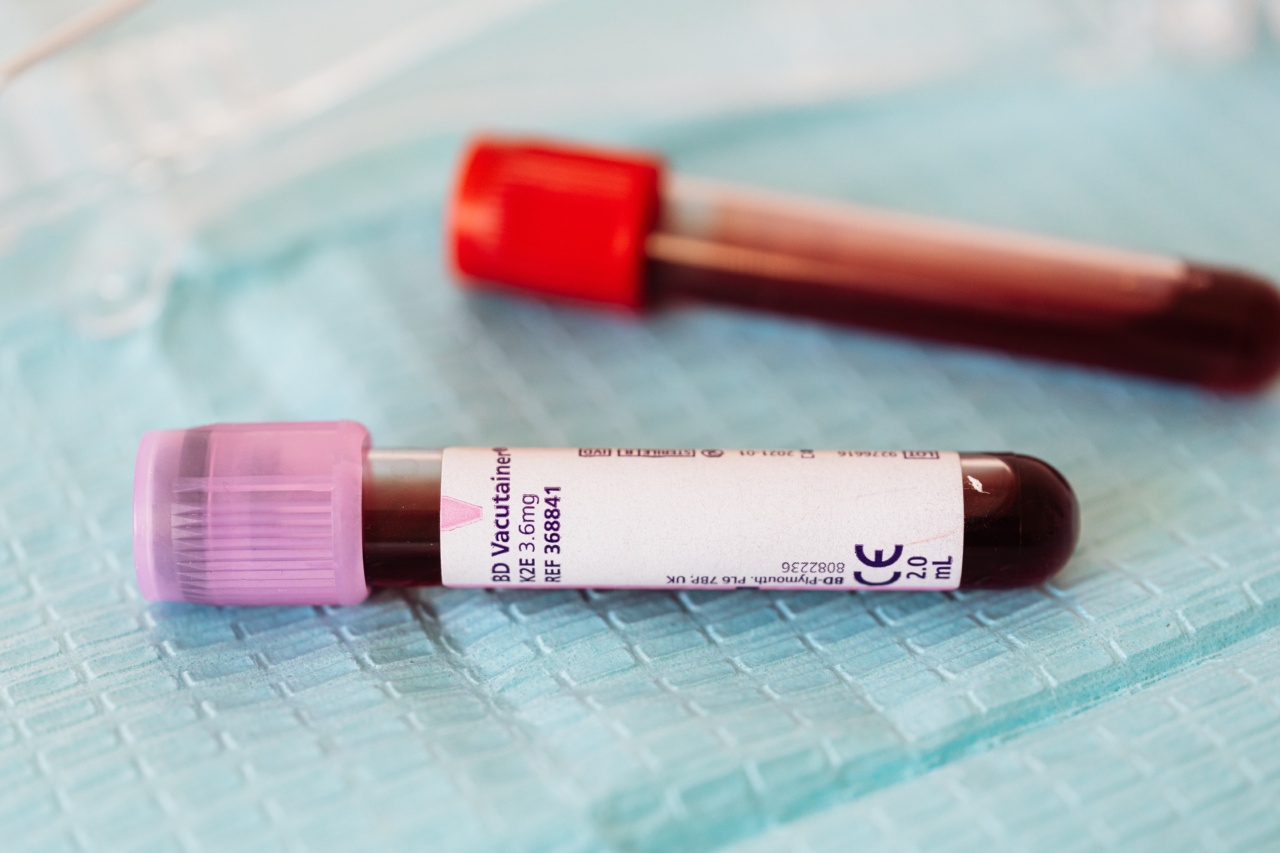
Cancer is a disease that affects millions of people worldwide. The diagnosis of cancer can be a challenging process, with many tests and procedures necessary to detect the presence of cancer cells.
However, a new blood test has been developed that could make cancer diagnosis much quicker and more accurate.
What Is a Cancer Diagnosis?
Cancer is a disease that is caused by the uncontrolled growth of abnormal cells in the body. The diagnosis of cancer involves the detection of these abnormal cells, which can be done through a variety of tests and procedures.
Some common methods for diagnosing cancer include:.
- Biopsy – removal of a small sample of tissue for examination under a microscope
- Imaging tests – X-rays, CT scans, MRI, PET scans, and ultrasound
- Blood tests – testing for cancer markers or other abnormal blood values
All of these tests can be effective in detecting the presence of cancer, but they can also be invasive, time-consuming, and costly.
This is where the new blood test comes in – it is a quick, non-invasive, and relatively inexpensive way to diagnose cancer.
How Does the Blood Test Work?
The blood test works by detecting small fragments of DNA that are released into the bloodstream by cancer cells.
These fragments are known as circulating tumor DNA (ctDNA), and they are present in the blood of cancer patients even before tumors are visible on imaging tests or detectable through other diagnostic methods.
The blood test is able to detect ctDNA because it looks for specific genetic mutations that are known to be associated with various types of cancer.
By analyzing the DNA in a patient’s blood sample, the blood test can determine whether or not that patient has cancer, and if so, what type of cancer they have.
Related Article
New Blood Test Could Revolutionize Cancer Treatment

What Are the Advantages of the Blood Test?
The new blood test has several advantages over traditional cancer diagnostic methods:.
- It is much quicker – results can be obtained within hours or days, whereas traditional methods can take weeks
- It is much less invasive – a simple blood draw is all that is needed
- It is much more accurate – because it is able to detect cancer at an earlier stage, the blood test can provide more accurate diagnoses
- It is less expensive – while the cost of the blood test is not yet known, it is expected to be much less expensive than traditional diagnostic methods
Overall, the blood test has the potential to revolutionize the way cancer is diagnosed, making it easier, faster, and more accurate than ever before.
What Types of Cancer Can the Blood Test Detect?
The blood test is able to detect several different types of cancer, including:.
- Breast cancer
- Lung cancer
- Colorectal cancer
- Ovarian cancer
- Pancreatic cancer
- Stomach cancer
- Liver cancer
However, the blood test is still in the early stages of development, and more research is needed to determine its effectiveness in detecting other types of cancer.
What Is the Future of Cancer Diagnosis?
The development of the blood test is a significant step forward in the diagnosis of cancer. As more research is conducted and the test becomes more widely available, it has the potential to become the go-to diagnostic method for many types of cancer.
But the blood test is just the beginning – there are many other exciting developments on the horizon in the field of cancer diagnosis. Some of these include:.
- Liquid biopsies – similar to the blood test, but looking for other types of cancer biomarkers
- AI-based diagnostic tools – using artificial intelligence to analyze imaging tests and identify cancer at an earlier stage
- Personalized medicine – tailoring cancer treatment to the specific genetic makeup of a patient’s cancer
- Immunotherapy – harnessing the power of a patient’s own immune system to fight cancer
As these and other technologies continue to develop, the diagnosis and treatment of cancer will continue to improve, leading to better outcomes and quality of life for cancer patients.
Conclusion
The development of the blood test for cancer diagnosis is a groundbreaking advance in the field of cancer research.
This quick, non-invasive, and accurate diagnostic method has the potential to revolutionize the way cancer is diagnosed, and it is just one of many exciting developments in the field of cancer diagnosis and treatment.
While there is still much to learn and many challenges to overcome, the future of cancer diagnosis is bright, and the blood test is just the beginning.


