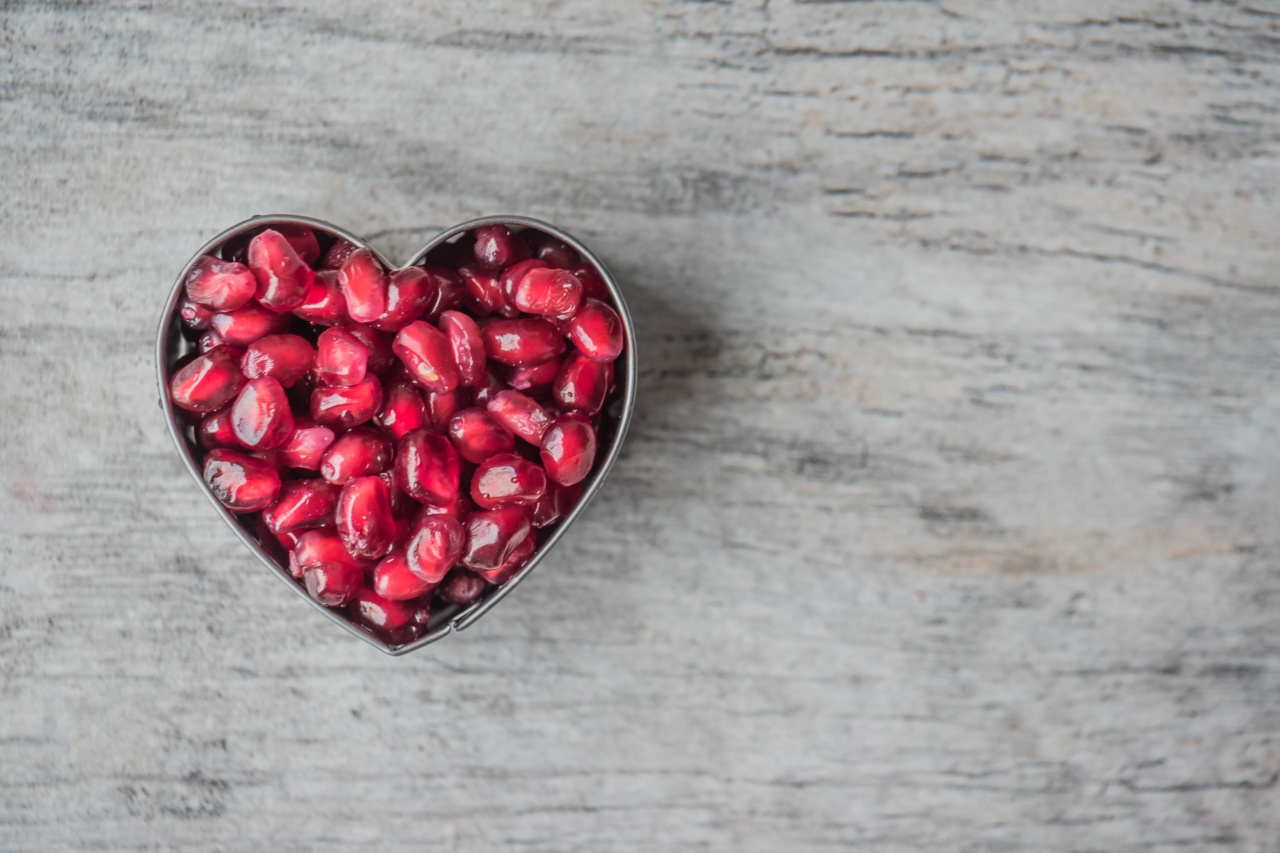
Infarction, commonly known as a heart attack, occurs when a blood clot blocks the flow of blood to the heart. This can lead to severe damage to the heart muscles and can even be fatal. Maintaining a healthy heart is essential to prevent such conditions.
Incorporating a healthy diet into your lifestyle can significantly reduce the risk of heart disease and improve overall heart health. In this article, we will discuss the infarction diet and its impact on heart health.
What is an Infarction Diet?
An infarction diet is a diet that aims to reduce the risk of heart disease and improve the health of individuals who have suffered a heart attack.
The diet focuses on consuming foods that are low in cholesterol, saturated fats, and sodium, which are the primary culprits behind heart attacks and other cardiovascular diseases.
While following the infarction diet, individuals are advised to consume more fruits, vegetables, whole grains, and lean proteins. These foods are rich in essential nutrients and fibers that are crucial for good heart health.
Foods to Eat on an Infarction Diet
Here is a list of foods that are recommended on an infarction diet:.
1. Fruits and Vegetables
Fruits and vegetables are rich in essential nutrients and fibers that help maintain proper heart health. Consuming a variety of fruits and vegetables can lower the risk of heart disease and other cardiovascular conditions.
Incorporate dark green leafy vegetables, oranges, berries, and tomatoes for optimal heart health.
2. Whole Grains
Whole grains such as brown rice, oats, and whole-wheat bread contain dietary fibers, vitamins, and minerals that are essential for heart health.
They help lower cholesterol levels and prevent the formation of blood clots in arteries, which can lead to a heart attack.
3. Lean Proteins
Lean proteins such as chicken, turkey, fish, and plant-based proteins like lentils and beans contain essential vitamins and minerals that help maintain proper heart function.
They are low in saturated and trans fats and are considered heart-healthy proteins.
Related Article
The Survival Plan: A Diet for a Healthy Heart

4. Healthy Fats
Healthy fats such as omega-3 fatty acids found in salmon, tuna, and flaxseeds are essential for heart health. They help lower cholesterol levels and reduce inflammation, which is a significant contributor to heart disease.
5. Nuts and Seeds
Nuts and seeds are also a good source of healthy fats, fiber, and essential vitamins and minerals that help prevent heart disease.
Consuming a handful of nuts and seeds such as almonds, walnuts, and sunflower seeds can satisfy hunger and aid in maintaining a healthy heart.
Foods to Avoid on an Infarction Diet
It is important to avoid consuming foods that contribute to high cholesterol, blood pressure, and heart disease on an infarction diet. Here is a list of foods that are best to avoid:.
1. Saturated Fats
Saturated fats found in foods such as red meat, full-fat dairy products, and fried foods contribute to high cholesterol levels and increase the risk of heart disease. It is important to avoid consuming these foods on an infarction diet.
2. Trans Fats
Trans fats found in processed foods such as cookies, cakes, and fried foods are known to increase the risk of heart disease. It is advisable to avoid consuming such processed foods for good heart health.
3. Sodium
Consuming too much sodium can lead to high blood pressure, which is a significant contributor to heart disease. It is best to avoid consuming foods that are high in sodium such as processed foods, canned goods, and frozen dinners.
Instead, opt for fresh foods without added sodium.
Infarction Diet Plan
Here is an infarction diet plan to help improve heart health:.
Breakfast
- Oatmeal with fresh berries and almond milk
- Whole-grain toast with avocado, tomato, and egg whites
Lunch
- Grilled chicken salad with mixed greens, tomato, and cucumber
- Quinoa salad with mixed vegetables and chickpeas
Snacks
- Apple slices with almond butter
- Raw vegetable sticks with hummus
Dinner
- Grilled salmon with roasted vegetables and brown rice
- Grilled chicken with steamed broccoli and sweet potato
Drinks
- Water
- Herbal tea
In conclusion, following an infarction diet can help improve heart health and reduce the risk of heart disease.
Incorporating foods that are rich in essential nutrients and fibers while avoiding foods high in saturated fats, sodium, and trans fats can significantly impact heart health. Consult with a healthcare practitioner before starting any new diet plan. Follow your diet and maintain an active lifestyle to keep your heart healthy.


