Periodontal disease, commonly known as gum disease, is a bacterial infection that affects the teeth and surrounding gum tissue. It is a common oral health condition, especially among adults.
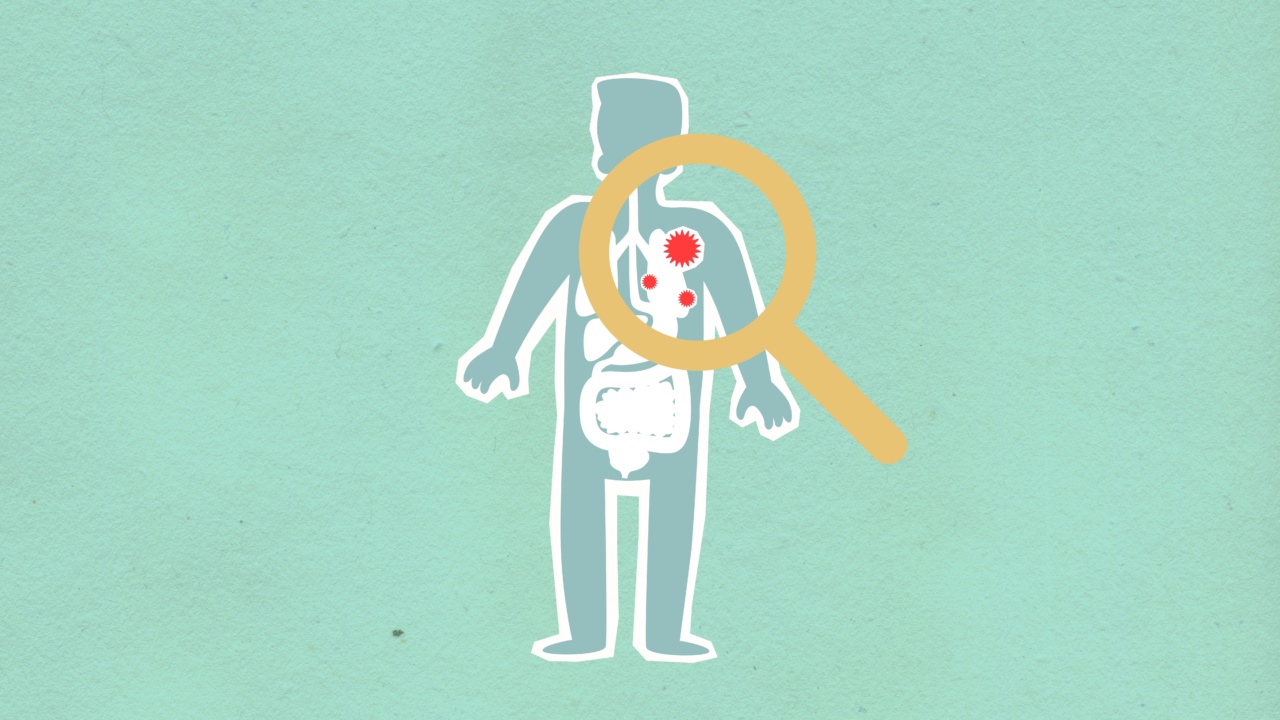
Periodontal disease is linked to several systemic illnesses including cardiovascular disease, diabetes, and respiratory diseases. However, recent studies have shown a strong association between periodontal disease and cancer. This article will explore the impact of periodontal disease on cancer risk.
Periodontal Disease and Oral Cancer
Periodontal disease has been linked to several types of cancers, including oral cancer. Oral cancer is a malignant growth that affects the tissues of the mouth, including the lips, tongue, cheeks, floor, and roof of the mouth.
Oral cancer is one of the deadliest forms of cancer, with a five-year survival rate of only 60 percent.
Studies have shown that individuals with periodontal disease are at a higher risk of developing oral cancer than those with healthy gums.
According to a study published in the Journal of the National Cancer Institute, people with periodontal disease have a 24 percent higher risk of developing oral cancer than those without periodontal disease.
Periodontal Disease and Breast Cancer
Breast cancer is the most common form of cancer among women worldwide. Early detection and treatment are crucial to improving the survival rate. Recent studies have linked periodontal disease to an increased risk of breast cancer.
A study published in the Breast Cancer Research and Treatment Journal found that women with periodontal disease had a 33 percent higher risk of developing breast cancer than those without periodontal disease.
The study suggests that periodontal disease may contribute to inflammation, which can increase the risk of breast cancer.
Periodontal Disease and Lung Cancer
Lung cancer is a type of cancer that affects the lungs, causing abnormal cell growth. It is the most common cause of cancer-related deaths worldwide. Recent studies have linked periodontal disease to an increased risk of lung cancer.
A study published in the Journal of Periodontology found that individuals with periodontal disease had a 1.24 higher risk of developing lung cancer than those without periodontal disease.
The study suggests that inflammation caused by periodontal disease may contribute to the development of lung cancer.
Related Article
Periodontal Disease and Its Association with Cancer

Periodontal Disease and Pancreatic Cancer
Pancreatic cancer is a type of cancer that affects the pancreas gland, causing abnormal cell growth. It is a deadly form of cancer that has a low survival rate. Recent studies have linked periodontal disease to an increased risk of pancreatic cancer.
A study published in the Journal of the National Cancer Institute found that individuals with periodontal disease had a 63 percent higher risk of developing pancreatic cancer than those without periodontal disease.
The study suggests that the bacteria that cause periodontal disease may contribute to the development of pancreatic cancer.
Periodontal Disease and Colorectal Cancer
Colorectal cancer is a type of cancer that affects the colon and rectum. It is the third most common form of cancer worldwide. Recent studies have linked periodontal disease to an increased risk of colorectal cancer.
A study published in the Journal of the National Cancer Institute found that individuals with periodontal disease had a 17 percent higher risk of developing colorectal cancer than those without periodontal disease.
The study suggests that periodontal disease may contribute to the development of colorectal cancer by promoting inflammation.
Periodontal Disease and Prostate Cancer
Prostate cancer is a type of cancer that affects the prostate gland, which is part of the male reproductive system. It is one of the most common forms of cancer among men.
Recent studies have linked periodontal disease to an increased risk of prostate cancer.
A study published in the Annals of Oncology found that men with periodontal disease had a 14 percent higher risk of developing prostate cancer than those without periodontal disease.
The study suggests that the bacteria that cause periodontal disease may contribute to the development of prostate cancer.
Conclusion
Periodontal disease is a common oral health issue that can have serious systemic health implications.
Recent studies have linked periodontal disease to an increased risk of several types of cancers, including oral cancer, breast cancer, lung cancer, pancreatic cancer, colorectal cancer, and prostate cancer. These studies suggest that maintaining good oral hygiene and seeking early treatment for periodontal disease may help reduce the risk of developing these deadly forms of cancer.


