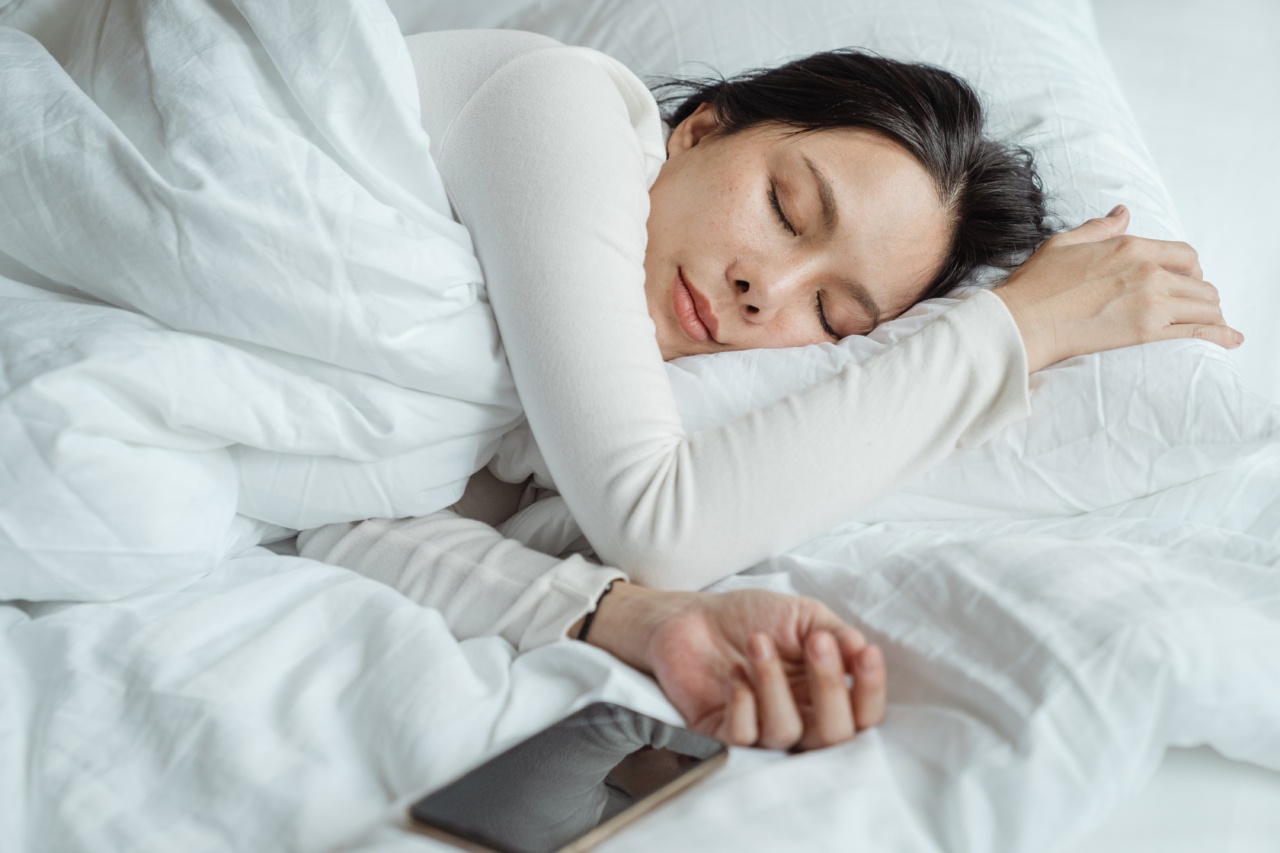
When it comes to fertility, many factors come into play. One important factor that is often overlooked is sleep. Sleep plays a crucial role in the body’s ability to function optimally, including reproductive health.
In recent years, research has shown a strong connection between sleep and fertility, particularly in relation to exposure to light. Let’s explore the role of light in sleep and its impact on fertility.
The Circadian Rhythm and Sleep
The circadian rhythm is the body’s internal clock that regulates various biological processes, including sleep and wakefulness. It operates on a 24-hour cycle and is influenced by external factors such as light exposure.
Exposure to light, especially natural sunlight, helps regulate our circadian rhythm by signaling to the body when it’s time to be awake and when it’s time to sleep.
Melatonin: The Sleep Hormone
Melatonin is a hormone produced by the pineal gland in the brain that helps regulate sleep.
It is often referred to as the “sleep hormone.” Melatonin levels rise in the evening as the body prepares for sleep and decrease in the morning, signaling the body to wake up. The production of melatonin is heavily influenced by light exposure. When exposed to bright light, such as sunlight, melatonin production is suppressed, making it more difficult to fall asleep.
Light and Female Fertility
Female fertility is tightly linked to the menstrual cycle, which is regulated by the intricate interplay of hormones.
Research has shown that disruptions in the circadian rhythm, particularly due to light exposure at night, can negatively impact the menstrual cycle and, consequently, fertility.
Exposure to artificial light at night, such as that emitted by electronic devices and artificial indoor lighting, can disrupt the body’s natural production of melatonin.
This disruption can affect the timing and regularity of ovulation, making it harder to conceive. Studies have also suggested a connection between night shift work and decreased fertility rates in women, further highlighting the importance of light exposure in maintaining reproductive health.
The Role of Blue Light
One specific type of light that has gained significant attention in recent years is blue light. Blue light is emitted by electronic devices such as smartphones, tablets, and computers, as well as energy-efficient light bulbs.
Exposure to blue light in the evening has been found to have a particularly disruptive effect on sleep and, consequently, fertility.
Related Article
The science of light and fertility

Blue light has a shorter wavelength and higher energy compared to other types of light. This makes it more effective at suppressing melatonin production and shifting the body’s internal clock.
When exposed to blue light in the evening, the body may interpret it as continued daylight, delaying the release of melatonin and hindering the onset of sleep.
Practical Tips for Sleep and Fertility
Fortunately, there are steps you can take to optimize your sleep and, in turn, support your fertility:.
1. Create a sleep-friendly environment
Make your bedroom a sanctuary for sleep. Keep the room cool, quiet, and dark. Invest in blackout curtains or an eye mask to block out any unwanted light. Consider removing electronic devices from the bedroom to minimize exposure to blue light.
2. Establish a consistent sleep routine
Go to bed and wake up at the same time every day, even on weekends. This helps regulate your body’s internal clock and promotes better sleep quality. Avoid napping during the day, as it can disrupt your sleep schedule.
3. Limit exposure to blue light in the evening
Avoid using electronic devices, such as smartphones and tablets, for at least an hour before bed. If necessary, use apps or settings that filter out blue light, or consider wearing blue-light-blocking glasses.
4. Get regular exercise
Engaging in regular physical activity can help improve sleep quality. However, avoid exercising too close to bedtime, as it may make it more difficult to fall asleep.
5. Manage stress levels
Stress can significantly impact sleep and fertility. Practice stress-reducing techniques such as meditation, deep breathing exercises, or engaging in activities you enjoy. Consider seeking professional help if stress becomes overwhelming.
6. Seek professional help if needed
If you’re experiencing persistent sleep issues or difficulty conceiving, consult a healthcare professional specializing in sleep medicine or reproductive health.
They can provide personalized recommendations and develop a treatment plan tailored to your specific needs.
Conclusion
Sleep plays a vital role in overall health and well-being, including fertility. Understanding the impact of light on sleep is crucial in promoting reproductive health.
By prioritizing quality sleep and managing light exposure, especially in the evening, individuals can enhance their chances of conceiving and maintaining optimal fertility.


