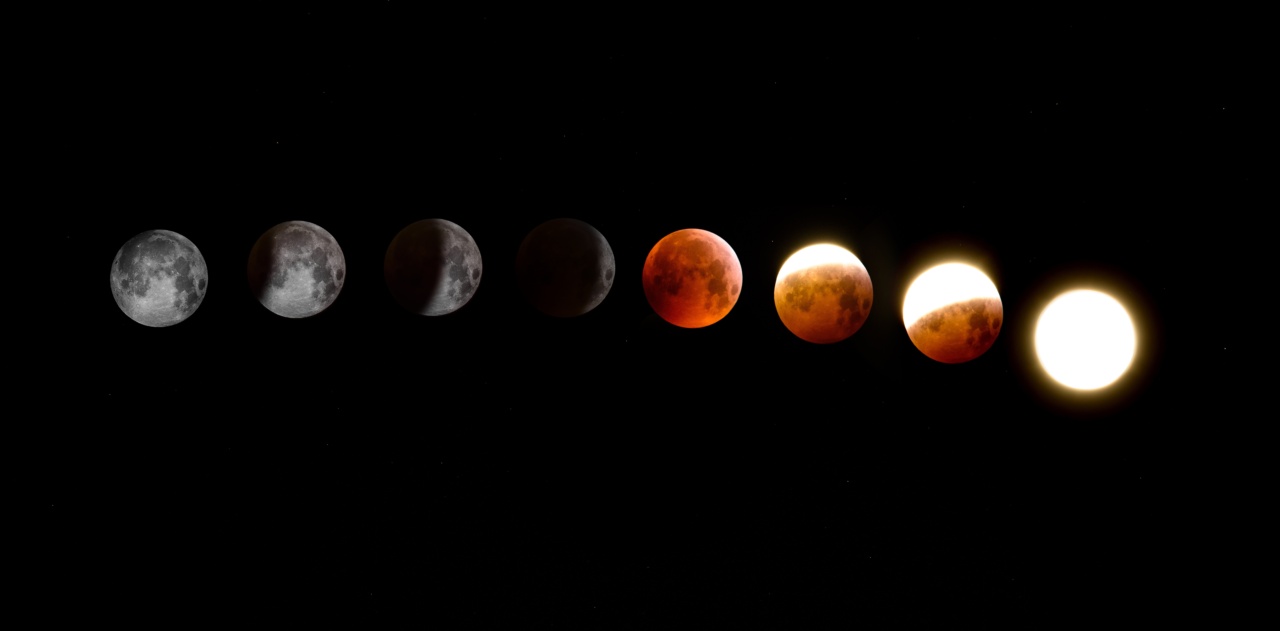
Light is a fundamental component of our lives. It is essential for our vision, circadian rhythms, and vitamin D synthesis. Interestingly, light exposure has also been associated with reproductive health and fertility.
This article will explore the science behind light and fertility.
What is Light?
Light is a form of electromagnetic radiation that travels in waves. It is measured in units called nanometers (nm). The visible light spectrum ranges from 400 nm (violet) to 700 nm (red).
Beyond the visible spectrum are ultraviolet (UV) rays, X-rays, and gamma rays.
How does Light Affect our Body?
Light affects our body in various ways, including:.
1. Vision
Light is essential for vision. When light enters our eyes, it activates photoreceptor cells that send signals to our brain, allowing us to see.
2. Circadian Rhythms
Light is a crucial factor in regulating our circadian rhythms, which are our body’s natural 24-hour cycles of physiological and behavioral processes such as sleep, wakefulness, hunger, and hormone production.
Exposure to light, particularly in the morning, helps to reset our internal clock, leading to better sleep patterns.
3. Vitamin D synthesis
UVB rays from sunlight are essential for the synthesis of vitamin D in our bodies. Vitamin D is necessary for healthy bones, muscles, and immune function.
Light and Female Fertility
The reproductive system is closely linked to our circadian rhythms, and it is thought that exposure to light can affect female fertility by impacting hormonal balance and ovulation.
1. Melatonin
Melatonin is a hormone produced by the pineal gland in the brain that is involved in regulating sleep and the circadian rhythm.
Melatonin is known to suppress the production of luteinizing hormone (LH) and follicle-stimulating hormone (FSH), both of which are important for ovulation. Exposure to light at night can disrupt melatonin production, leading to hormonal imbalances and potentially affecting ovulation.
2. Ovarian Follicles
Ovarian follicles are small fluid-filled sacs in the ovaries that contain immature eggs.
Related Article
Light exposure and reproductive health

It is thought that exposure to light can affect these follicles by altering the production of hormones such as estrogen and progesterone, which are involved in the development and release of eggs.
3. Menstrual Cycle
Our menstrual cycle is closely linked to our circadian rhythm. Research has shown that women who work night shifts or experience disrupted sleep cycles may have irregular menstrual cycles and are at increased risk of infertility.
Light and Male Fertility
While most of the research on light and fertility has focused on women, there is evidence to suggest that light exposure can also affect male fertility.
1. Sperm Quality
Studies have shown that men who work night shifts or are exposed to artificial light at night have lower sperm quality than those who do not.
This may be due to disruptions in melatonin production, which can affect the production of testosterone and other hormones involved in sperm production.
2. Testosterone Levels
Testosterone is a hormone that is crucial for male fertility. Exposure to light has been shown to affect testosterone production, with some studies suggesting that men who are exposed to increased levels of light have higher levels of testosterone.
Light Therapy for Fertility
Light therapy, also known as phototherapy, involves exposure to specific wavelengths of light to treat various conditions. While there is limited research on the use of light therapy for fertility, some studies have shown promising results.
1. In Women
A study published in the Journal of Assisted Reproduction and Genetics found that women undergoing in vitro fertilization (IVF) who received blue light therapy had higher pregnancy rates compared to those who did not receive light therapy.
It is thought that blue light may stimulate the ovaries to produce more estrogen, which can improve the chances of pregnancy.
2. In Men
A study published in the Journal of Sexual Medicine found that men with low testosterone levels who underwent bright light therapy saw an improvement in their testosterone levels and sexual function.
The Bottom Line
Light is an essential component of our lives and can affect many aspects of our health, including reproductive health and fertility.
While more research is needed to fully understand the mechanisms behind these effects, it is clear that exposure to light is critical for the regulation of the circadian rhythm and the production of essential hormones involved in reproduction. If you are struggling with fertility, working with a healthcare professional to optimize your exposure to light may be a helpful component of your overall treatment plan.


