Have you ever woken up after a night of sleep feeling groggy and exhausted? Or have you ever struggled to fall asleep and stay asleep? The solution may lie in the foods you eat.
The foods you consume have a direct impact on your sleep quality, which, in turn, affects your overall health and well-being. In this article, we will explore the correlation between foods and sleep quality and find out which foods can help you achieve a peaceful and restful night’s sleep.
What Affects Sleep Quality?
Sleep quality is affected by several factors, including the environment, lifestyle, habits, and dietary choices.
Medications, stress, and anxiety can also impact sleep quality, but for the purpose of this article, we will focus on foods that improve or worsen sleep quality.
Foods That Improve Sleep Quality
If you’re struggling to get a good night’s sleep, incorporating these foods into your diet may help:.
1. Kiwi
Kiwi is a fruit rich in vitamin C and antioxidants, which are beneficial for sleep quality. A study conducted on adults with sleep problems showed that eating two kiwis one hour before bedtime improved their sleep onset, duration, and efficiency.
2. Cherries
Cherries are a natural source of melatonin, which is a hormone that regulates the sleep-wake cycle. A study conducted on adults with insomnia showed that drinking tart cherry juice twice a day for two weeks improved their sleep duration and quality.
3. Fatty Fish
Fatty fish such as salmon, tuna, and mackerel are a good source of omega-3 fatty acids, which are essential for brain health and may improve sleep quality.
A study conducted on children showed that those who consumed fish oil supplements had improved sleep quality and reduced sleep disturbances.
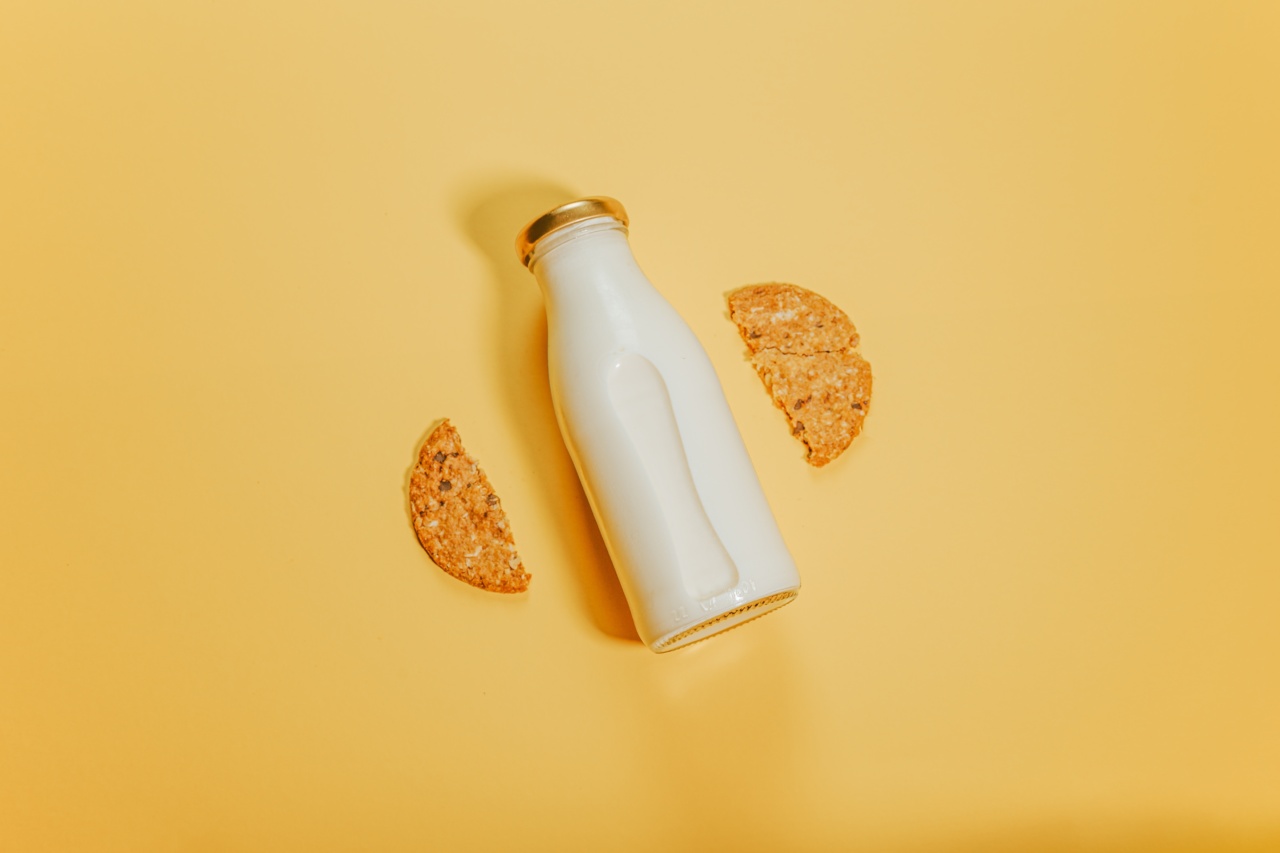
4. Warm Milk
Warm milk contains tryptophan, an amino acid that increases the production of serotonin, which is a neurotransmitter that regulates mood and sleep. Drinking warm milk before bedtime may promote relaxation and improve sleep quality.
5. Valerian Root
Valerian root is an herbal supplement that has been used for centuries to promote relaxation and improve sleep quality. Several studies have shown that valerian root can improve sleep latency, duration, and quality in people with insomnia.
Related Article
Top Foods That Can Impact Your Mood and Sleep

Foods That Worsen Sleep Quality
On the other hand, consuming certain foods can worsen sleep quality and disrupt the sleep-wake cycle. These include:.
1. Caffeine
Caffeine is a stimulant that can interfere with the natural sleep cycle and make it difficult to fall asleep and stay asleep. Avoid consuming caffeinated beverages such as coffee, tea, and soda, especially in the afternoon and evening.
2. Alcohol
Alcohol may induce drowsiness and help you fall asleep faster, but it can also disrupt the second half of the sleep cycle, leading to more frequent awakenings and low-quality sleep.
Avoid consuming alcohol, especially in large amounts or close to bedtime.
3. Heavy Meals
Eating a heavy meal close to bedtime can lead to indigestion, heartburn, and discomfort, making it difficult to fall asleep and stay asleep.
Aim to have your last meal at least three hours before bedtime and avoid spicy or acidic foods that can cause digestive issues.
4. Sugary Foods
Sugary foods such as candy, cookies, and cakes can cause a sugar rush followed by a crash, which can disrupt the sleep-wake cycle and lead to frequent awakenings and low-quality sleep. Avoid consuming sugary foods, especially close to bedtime.
5. Spicy Foods
Spicy foods can cause heartburn, indigestion, and discomfort, making it difficult to fall asleep and stay asleep. Avoid consuming spicy foods, especially close to bedtime.
Conclusion
The foods you eat have a direct impact on your sleep quality, which is essential for your health and well-being.
Incorporating foods such as kiwi, cherries, fatty fish, warm milk, and valerian root into your diet can help improve sleep quality, while avoiding caffeine, alcohol, heavy meals, sugary foods, and spicy foods can help prevent sleep disturbances and promote restful sleep.


