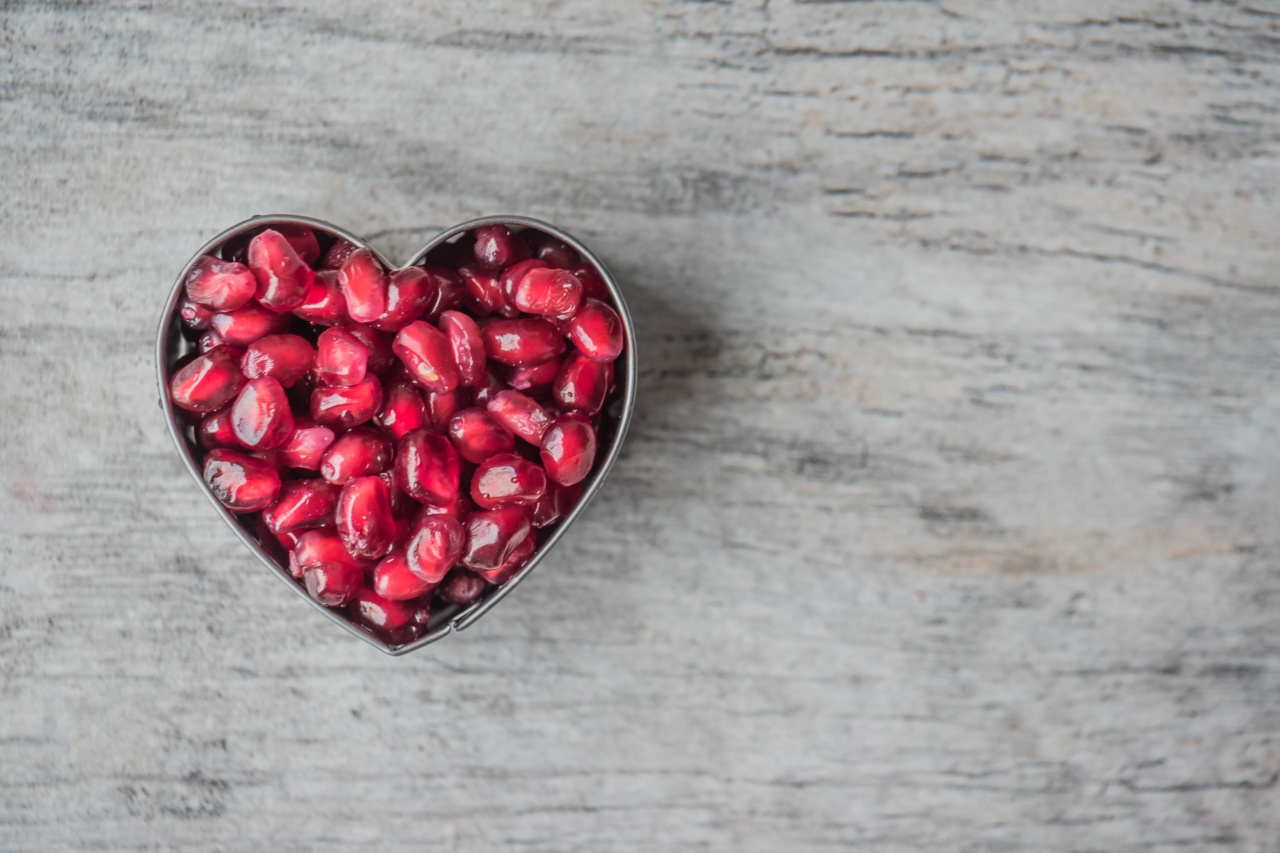
When it comes to maintaining a healthy heart, our diet plays a crucial role. While there are various factors that can contribute to heart disease, making smart food choices can significantly reduce the risk.
One group of foods that has been widely studied for their heart-protective benefits is juicy fruits. These delicious and refreshing fruits not only satisfy our taste buds, but they also provide a range of nutrients that support heart health.
In this article, we will explore the heart-protecting power of juicy fruit and discover why incorporating them into your diet is a fantastic idea.
The Nutritional Powerhouses
Juicy fruits are an exceptional source of essential vitamins, minerals, and antioxidants that play a vital role in maintaining heart health.
These fruits are often recognized for their vibrant colors and juicy nature, which can be attributed to their high water content. Examples of juicy fruits include berries, citrus fruits, watermelon, pineapple, and grapes.
One of the key nutrients found abundantly in juicy fruits is vitamin C, which acts as a powerful antioxidant.
Antioxidants help neutralize harmful free radicals in the body, reducing oxidative stress and inflammation, both of which can promote heart disease. Vitamin C also plays a crucial role in the synthesis of collagen, a protein that provides structural support to blood vessels, reducing the risk of cardiovascular problems.
In addition to vitamin C, juicy fruits are also rich in dietary fiber. Fiber is essential for maintaining a healthy heart as it helps regulate cholesterol levels.
Soluble fiber, in particular, can bind to cholesterol in the bloodstream and prevent it from being absorbed, thus reducing LDL (bad) cholesterol levels. By controlling cholesterol levels, fiber helps prevent the buildup of plaque in the arteries, reducing the risk of heart disease and stroke.
Managing Blood Pressure
Another significant aspect of heart health is maintaining optimal blood pressure. High blood pressure, or hypertension, is a major risk factor for heart disease.
Fortunately, several juicy fruits possess properties that can help regulate blood pressure levels.
Potassium, an essential mineral, is found abundantly in juicy fruits such as bananas, oranges, and strawberries. Potassium helps relax the walls of blood vessels, promoting better blood flow and reducing the strain on the heart.
By including these fruits in your diet, you can naturally lower your blood pressure and reduce the risk of hypertension-related problems.
Additionally, some juicy fruits contain natural compounds known as flavonoids. Flavonoids have been linked to a reduced risk of heart disease due to their ability to relax blood vessels and improve blood flow.
Citrus fruits, such as oranges and grapefruits, are particularly rich in flavonoids, making them an excellent choice for heart health.
Reducing Inflammation and Oxidative Stress
Inflammation and oxidative stress are key contributors to the development of heart disease. Fortunately, juicy fruits are packed with antioxidants that can help combat these processes and protect our heart.
Anthocyanins, a type of antioxidant pigment, give fruits like blueberries, raspberries, and cherries their vibrant colors.
Related Article
The Heart-Healthy Fruit: Juicy Salvation

These compounds have anti-inflammatory properties that can help reduce the risk of heart disease by lowering levels of inflammation in the body.
Lycopene, another powerful antioxidant found in fruits like watermelon and tomatoes, also plays a significant role in heart health.
Studies have shown that lycopene can help reduce LDL cholesterol oxidation, a process that promotes the formation of plaque in the arteries. By preventing the oxidation of LDL cholesterol, lycopene helps keep the arteries clear and reduces the risk of heart disease.
Weight Management and Heart Health
Maintaining a healthy weight is essential for overall heart health, and juicy fruits can be an excellent ally in weight management efforts.
Most juicy fruits are low in calories and high in fiber, making them a perfect choice for satisfying hunger while keeping calorie intake in check.
Including juicy fruits in a balanced diet can help reduce the consumption of high-calorie foods, leading to weight loss or weight maintenance.
Furthermore, the fiber content in juicy fruits helps promote feelings of fullness and prevents overeating.
By reducing the intake of calorie-dense foods and supporting portion control, juicy fruits can contribute to maintaining a healthy weight and reducing the risk of heart disease.
Enjoying Juicy Fruits in Your Diet
Incorporating juicy fruits into your diet is simple and incredibly enjoyable. These fruits can be enjoyed fresh, added to salads, blended into smoothies, or even frozen for a refreshing treat.
For a nutritious and heart-healthy breakfast, try starting your day with a bowl of mixed berries, sliced bananas, and a dollop of Greek yogurt.
Not only does it provide a great boost of vitamins and minerals, but it also offers a good amount of protein to keep you energized throughout the morning.
As a midday snack, reach for an orange or pack a handful of grapes. Their natural sweetness offers a satisfying alternative to unhealthy processed snacks while providing a range of heart-protective nutrients.
If you’re craving something cold and refreshing, blend watermelon chunks with a touch of lime juice and mint leaves for a delicious and hydrating summer beverage.
Watermelon is a fantastic choice, as it is not only incredibly juicy but also contains citrulline, an amino acid that supports healthy blood vessels.
The Bottom Line
When it comes to promoting heart health, juicy fruits are an excellent addition to any diet. Packed with essential nutrients, antioxidants, and fiber, they offer a multitude of benefits for cardiovascular well-being.
By reducing inflammation, managing blood pressure, and supporting weight management efforts, juicy fruits contribute to overall heart health and can reduce the risk of heart disease. So, the next time you find yourself craving a refreshing snack, reach for some juicy fruit and let your heart thank you for it!.


