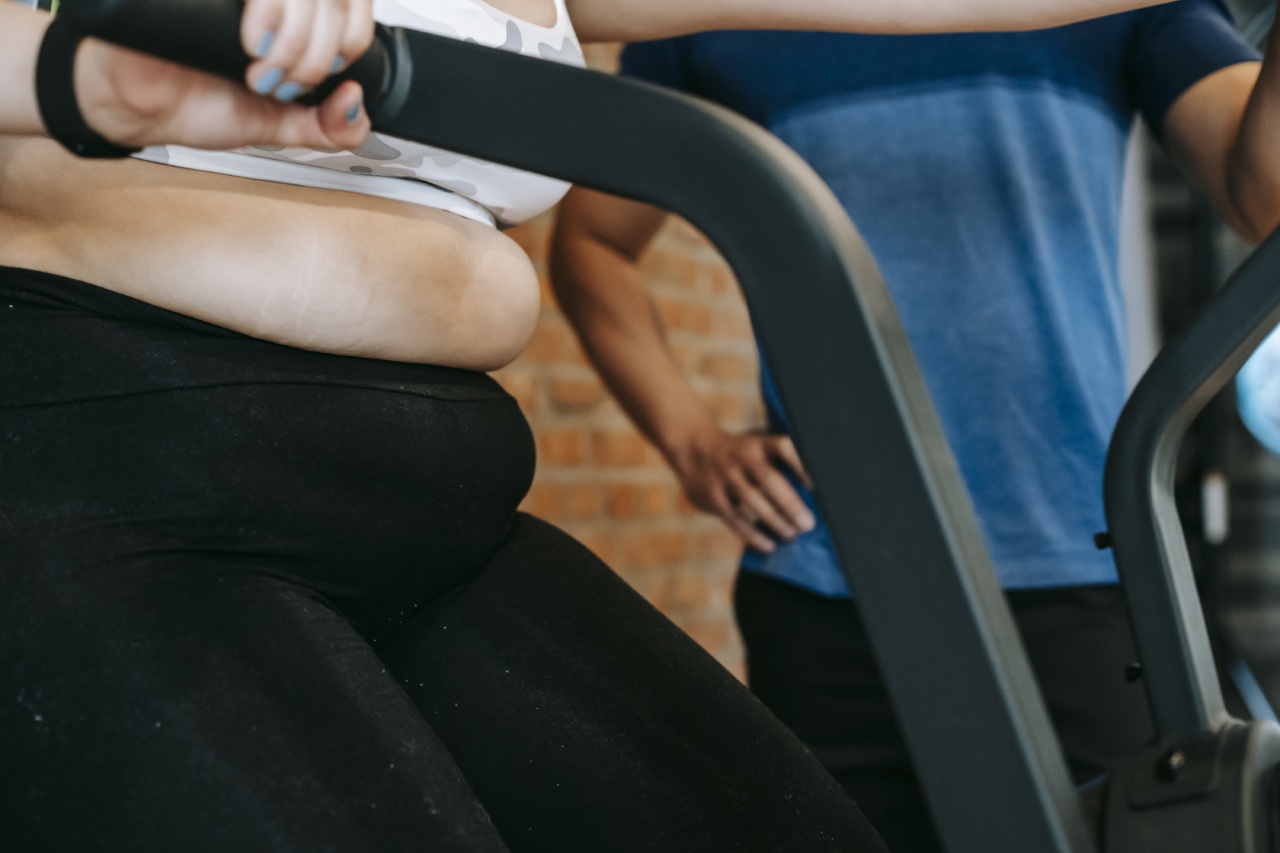
Excessive weight gain is an epidemic that affects millions of people all over the world.
However, did you know that weight gain can also be linked to liver fat? In this article, we explore the relationship between liver fat and weight gain and give you tips on how to fix it.
What is liver fat?
Liver fat, also known as hepatic steatosis, is the accumulation of fat in liver cells. It affects approximately 25% of people worldwide, with the highest rates among those who are overweight or obese.
What is the link between liver fat and weight gain?
Liver fat is often associated with being overweight or obese. The more weight you gain, the more fat your liver may accumulate. Fat tissue releases fatty acids into the bloodstream, which travel to the liver.
When you consume more calories than you burn, the excess calories are stored as fat in liver cells. Over time, this can cause the liver to become inflamed and even damaged, leading to a variety of health problems.
How can you tell if you have liver fat?
Unfortunately, it’s not easy to determine if you have liver fat without an examination. It doesn’t typically cause any noticeable symptoms, but it can be detected through a blood test or imaging tests like an ultrasound or MRI.
Talk to your doctor if you think you may have liver fat.
How does liver fat affect your health?
Liver fat is not always harmful, but it can cause a variety of health problems. Over time, liver fat can lead to chronic liver disease, including nonalcoholic fatty liver disease, which can lead to inflammation, scarring, and liver failure.
Liver fat has also been associated with an increased risk of type 2 diabetes, heart disease, and some cancers.
How to fix liver fat and weight gain
The good news is that liver fat and weight gain can be reversed through lifestyle changes. Here are some tips to get started:.
1. Lose weight
The most effective way to reduce liver fat is to lose weight. Research shows that even moderate weight loss can significantly reduce liver fat and improve liver health.
Related Article
What Causes Fat Buildup in the Liver and How to Reduce It

Aim to lose at least 5-10% of your body weight to see a significant improvement in liver health.
2. Exercise regularly
Regular exercise can help you lose weight, improve liver health, and reduce inflammation. Aim for at least 150 minutes of moderate-intensity exercise per week, such as brisk walking, cycling, or swimming.
3. Eat a healthy diet
A healthy diet can help reduce liver fat and improve overall health. Focus on consuming a diet high in fruits, vegetables, whole grains, and lean protein.
Avoid processed and fried foods, sugary beverages, and alcohol, which can all contribute to liver fat.
4. Avoid crash diets
Crash diets, or diets that severely restrict calories, can be harmful to liver health. Instead, focus on making sustainable lifestyle changes that you can maintain long-term.
5. Manage stress
Stress can also contribute to weight gain and liver fat. Try to manage stress through relaxation techniques such as meditation, yoga, or deep breathing exercises.
6. Get enough sleep
Getting enough sleep is also important for weight management and liver health. Aim for at least 7-8 hours of sleep per night.
7. Consider supplements
Some supplements may also be helpful in reducing liver fat, such as omega-3 fatty acids, milk thistle, and vitamin E. However, talk to your doctor before taking any supplements to ensure safety and effectiveness.
Conclusion
Overall, liver fat and weight gain are closely linked and can be reversed through lifestyle changes. A healthy diet, regular exercise, stress management, and adequate sleep can all contribute to reducing liver fat and improving overall health.
Talk to your doctor for more personalized advice on how to reverse liver fat and weight gain.


